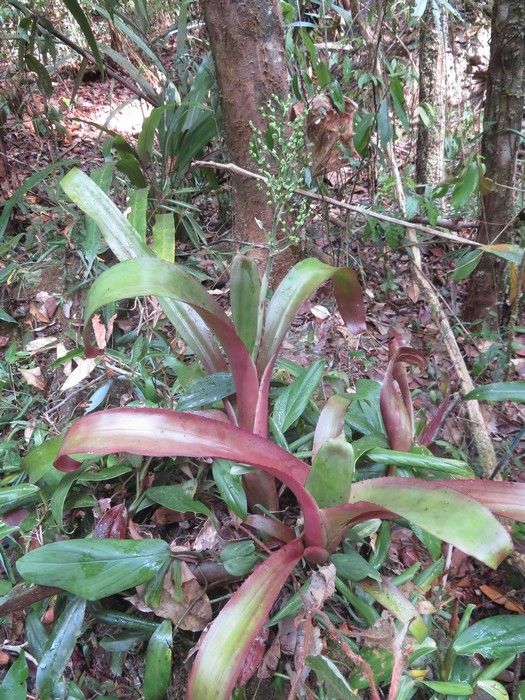
Oh, hello there! Pull up a chair and let’s chat about Araeococcus goeldianus. If you’ve ever seen one of these beauties, you know why it’s so special. With its striking, architectural foliage and that hint of tropical allure, it really does bring a certain magic to any indoor jungle. And the best part? You can easily expand your collection by propagating your own! Honestly, if you’re looking for a rewarding plant companion, this is a great choice. It’s not overly fussy, and while it has its own little quirks, I find it quite forgiving for most aspiring plant parents.
The Best Time to Start
For Araeococcus goeldianus, the absolute sweet spot for propagation is during its active growing season. Think late spring through summer. This is when the plant is full of energy, pushing out new growth and generally feeling robust. Starting then gives your new babies the best chance to establish strong roots before things cool down.
Supplies You’ll Need
You won’t need a whole lot of fancy equipment for this. Here’s what I usually keep on hand:
- Sharp Pruning Shears or a Clean Knife: For making clean cuts. Sterilize them with rubbing alcohol!
- Well-Draining Potting Mix: A good blend of perlite, orchid bark, and seedling potting soil works wonders.
- Small Pots or Seed Starting Trays: Whatever fits your new propagations comfortably.
- Clear Plastic Bags or a Propagator Lid: To create a humid environment.
- Rooting Hormone (Optional but Recommended): Helps speed things up. Look for one formulated for cuttings.
- Water: For keeping things moist and, depending on the method, for rooting too.
- Labels and a Pen: So you don’t forget what you’ve propagated!
Propagation Methods
Araeococcus goeldianus is happiest when propagated through division. It readily produces pups, which are essentially baby plants growing from the base of the mother plant.
Division Method:
- Assess Your Plant: Gently remove your Araeococcus goeldianus from its pot. You’ll see small offsets forming around the main plant. These are your pups! Look for ones that already have a bit of their own root system.
- Careful Separation: Using your clean hands or a gentle nudge with a trowel, carefully separate the pup from the mother plant. Try to get as many roots attached to the pup as possible. If they are very tightly bound, you might need to use your sterilized shears to cut through a connecting rhizome.
- Prepare the Pups: If the pup has any yellow or damaged leaves, trim them off.
- Potting Up: Fill your small pots with your well-draining potting mix. Make a little hole in the center of the soil and place the pup in, tucking its roots in gently. The base of the pup should be at soil level.
- Initial Watering: Water the newly potted pup thoroughly, allowing excess water to drain away.
The “Secret Sauce” (Pro Tips)
Here are a few little tricks I’ve learned over the years that really give your Araeococcus goeldianus propagations a boost:
- Don’t Over-Pot: It’s tempting to put a tiny pup into a big pot, but resist the urge! A pot that is just slightly larger than the pup’s root ball is best. Too much soil can stay wet for too long and lead to rot.
- Mimic Humidity, Not Swamp: While new cuttings and divisions love humidity to encourage root growth, they hate sitting in soggy soil. The plastic bag method is great to trap moisture, but make sure to open it for a few minutes each day to allow for air circulation and prevent fungal issues.
- Bottom Heat is Your Friend: If you have a heat mat designed for seedlings, placing your pots on it can significantly speed up root development. It provides a gentle warmth that mimics the cozy conditions the plant loves.
Aftercare & Troubleshooting
Once your pup is potted, place it in a spot with bright, indirect light. Keep the soil consistently moist but never waterlogged. The plastic bag or propagator will help maintain that crucial humidity.
You’ll know your pup is happy and rooting when you see new leaf growth. This can take anywhere from a few weeks to a couple of months, so patience is your best friend here.
The most common issue you might encounter is rot. If you see mushy, black stems or leaves, it’s usually a sign of too much moisture and not enough airflow. In this case, try to improve ventilation immediately, and if it’s severe, you may need to discard the affected part or the whole pup. If the leaves start to yellow and look shriveled but not mushy, it might be too dry – give it a gentle watering.
A Little Something to Grow On
Propagating Araeococcus goeldianus is a wonderful way to multiply the joy these plants bring. It’s a process that rewards patience and observation. Don’t be discouraged if your first attempt isn’t perfect; every gardener learns as they grow, just like our plants. Enjoy the journey of nurturing these new green babies! Happy growing!
Resource:
https://identify.plantnet.org/k-world-flora/species/Araeococcus%20goeldianus%20L.B.Sm./data