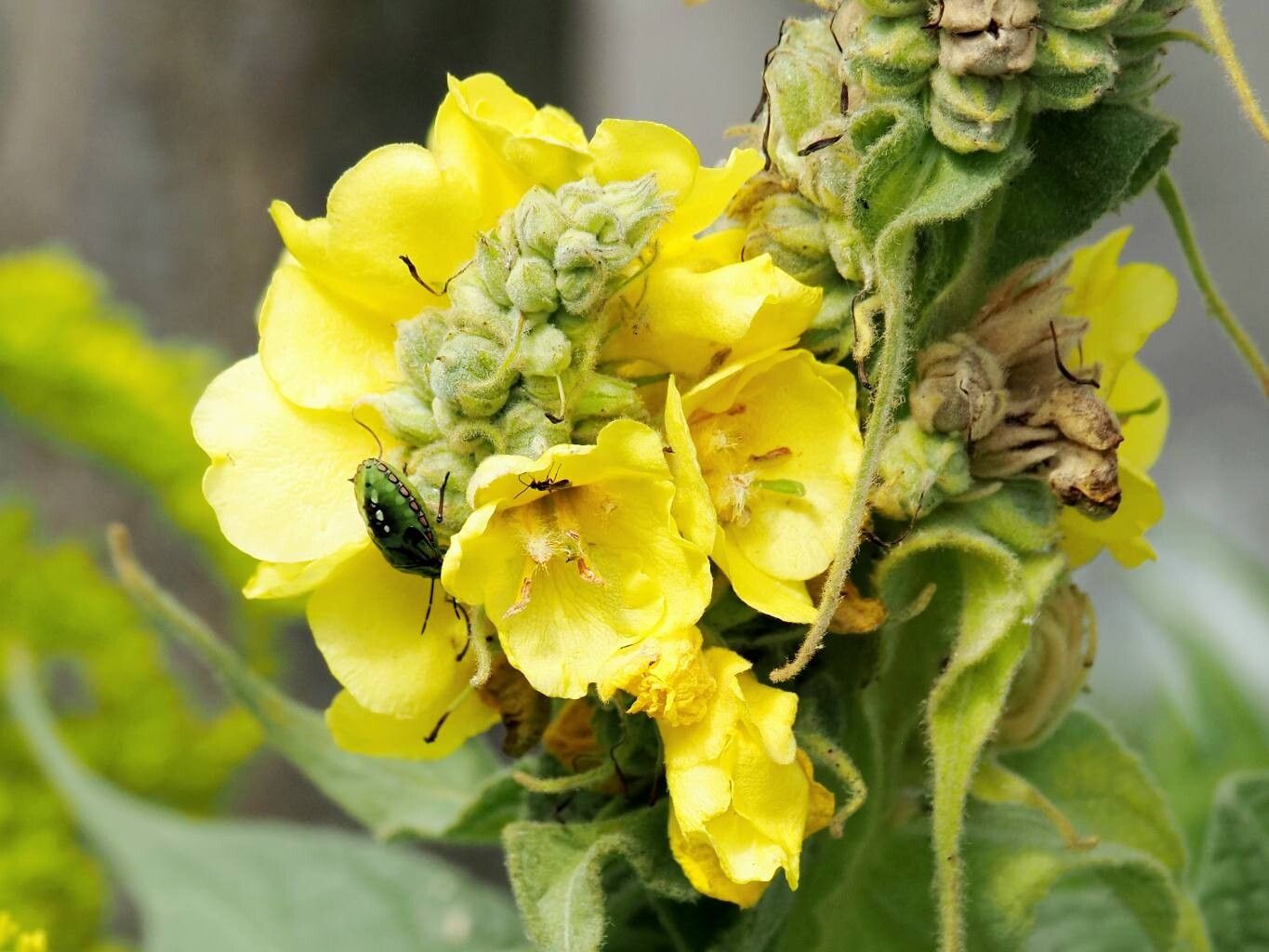
Hey there, fellow plant lovers! Today, we’re going to dive into the wonderful world of propagating Verbascum densiflorum, also known as dense-flowered mullein. If you’ve ever admired those tall, majestic spires of fuzzy leaves crowned with dramatic flower stalks, you’re not alone. They bring such a wonderful cottage garden charm, don’t they? And for me, creating more of these beauties from existing plants is one of the most satisfying parts of gardening.
Why Propagate Mullein?
Honestly, it’s a joy to share. Mullein is so generous, and seeing a tiny seedling or a new cutting thrive and grow into a magnificent specimen is incredibly rewarding. It’s also a fantastic way to fill out your garden beds or share with gardening friends. As for beginners, I’d say propagating mullein is moderately easy. It’s not usually fussy, which is a big plus!
The Best Time to Start
For Verbascum densiflorum, I find spring is your golden ticket. As the weather warms up and the plant is beginning its active growth phase, it has the energy to readily produce roots. You can also have success with late summer cuttings, but spring often gives you a bit more time to get established before the heat of summer or the chill of autumn.
Supplies You’ll Need
- Sharp pruning shears or secateurs: Cleanliness is key to prevent disease.
- Rooting hormone (optional but helpful): A powdered or gel form can encourage faster root development.
- Small pots or seed trays: With drainage holes, of course!
- Well-draining potting mix: I like a blend of peat moss, perlite, and a bit of compost. Or, use a seed-starting mix.
- Watering can with a fine rose: To water gently without disturbing new cuttings.
- Plastic bags or a propagation dome: To create a humid environment for cuttings.
- A piece of wood or label stakes: For marking your cuttings.
Propagation Methods
There are a couple of ways we can get more mullein plants, and I usually stick to what’s most reliable for this particular plant.
1. Stem Cuttings (My Go-To!)
This is my preferred method for Verbascum densiflorum.
- Take your cuttings: In spring, select a healthy, non-flowering shoot. Using your clean secateurs, cut a piece about 4-6 inches long. Make the cut just below a leaf node (where a leaf attaches to the stem).
- Prepare the cutting: Gently remove the lower leaves, leaving just a few at the top. If the leaves are very large, you can even cut them in half to reduce water loss.
- Apply rooting hormone (optional): Dip the cut end of the stem into your rooting hormone, tapping off any excess.
- Potting up: Fill your small pots with the prepared potting mix. Make a hole in the center with your finger or a pencil. Insert the cut end of the mullein stem into the hole, gently firming the soil around it.
- Water and cover: Water the cuttings thoroughly but gently. Then, cover the pot loosely with a plastic bag or place it under a propagation dome to maintain humidity.
2. Division (Best for Established Plants)
If you have a mature, well-established mullein plant, you can divide its root ball.
- Carefully dig up the plant: In early spring, before new growth is too vigorous, gently dig around the base of the plant to loosen the root ball.
- Separate the divisions: Gently tease the roots apart by hand or use a clean spade to cut through thicker roots if necessary. Aim for sections that have both roots and some leafy growth.
- Replant immediately: Replant the divisions into their new spots in the garden or into pots filled with fresh potting mix. Water them in well.
The “Secret Sauce” (Pro Tips)
Here are a few things I’ve learned over the years that make a real difference:
- Avoid Overcrowding: When taking stem cuttings, give them a little personal space in their pots. Too many cuttings crammed together can lead to rot and competition for resources.
- Bottom Heat is Your Friend: If you have a heat mat designed for propagations, using it can significantly speed up root formation for cuttings. Mullein appreciates a little warmth from below, especially if your spring weather is still a bit cool.
- Don’t Rush to Remove the Cover: Keep those cuttings covered until you start to see new leaf growth. That humidity is crucial for them to develop roots before they dry out.
Aftercare & Troubleshooting
Once your stem cuttings have developed a healthy root system – you’ll know this when you gently tug on them and feel resistance, or see roots peeking out of the drainage holes – it’s time to pot them up into slightly larger containers. Continue to water them regularly, but avoid waterlogging. Let the top inch of soil dry out between waterings.
The most common issue you’ll encounter is rot. If a cutting looks mushy, turns black, or just refuses to cooperate, it’s likely rotted. This is usually due to too much moisture and not enough air circulation. If you see signs of rot, unfortunately, that cutting is probably a goner. Remove it promptly to prevent it from affecting others.
A Little Patience Goes a Long Way
Propagating plants is a journey, and sometimes it takes a bit of trial and error. Don’t feel discouraged if not every single cutting takes. Celebrate the successes, learn from any setbacks, and most importantly, enjoy the process of creating more of these magnificent floral statements for your garden. Happy propagating!
Resource:
https://identify.plantnet.org/k-world-flora/species/Verbascum%20densiflorum%20Bertol./data