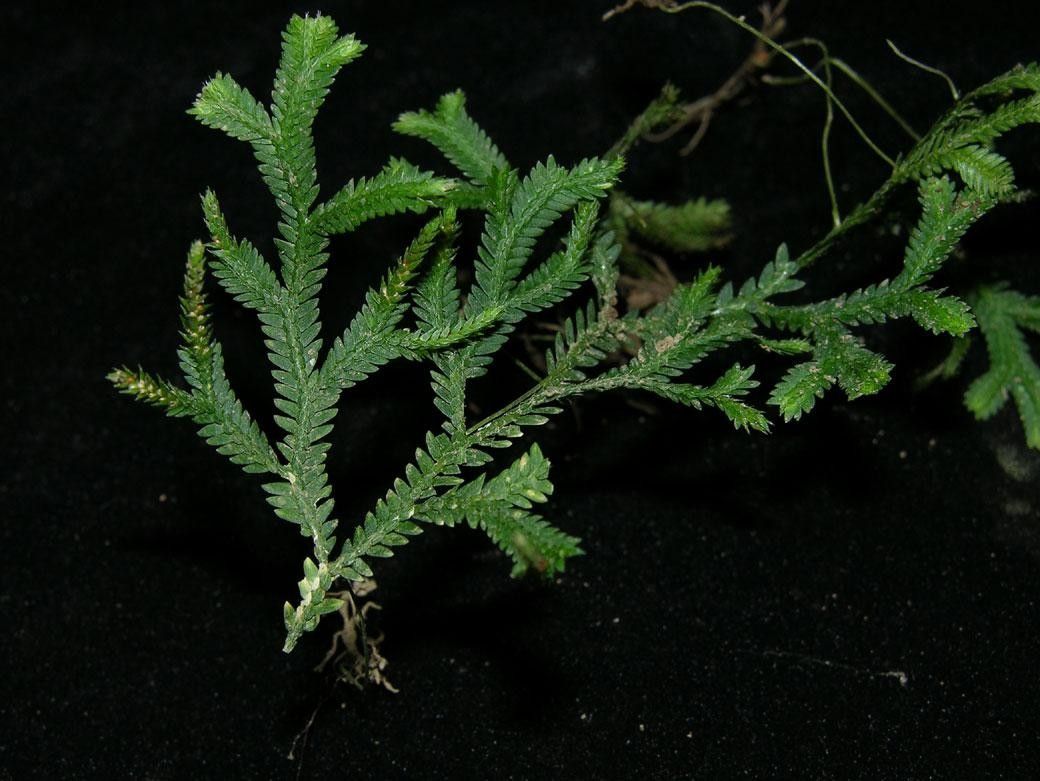
Hello, fellow plant lovers! Today, we’re diving into the delightful world of Selaginella atirrensis, also known as the Peacock Fern. If you’ve ever been captivated by its intricate, lace-like foliage and vibrant, almost iridescent greens, you’re not alone. Bringing this beauty into your home is a joy, and propagating it? Well, that’s where the real magic happens. It’s a wonderfully rewarding way to share this plant’s charm with friends or simply to expand your own collection.
Now, let’s talk about how easy it is for beginners. Selaginella atirrensis can be a touch more finicky than your average pothos. It appreciates consistent moisture and high humidity. So, while it’s not the plant I’d hand to someone just starting out with houseplants, if you’ve got a little experience under your belt and are willing to pay attention to its needs, you’ll likely find success. It’s a journey worth taking!
The Best Time to Start
For the highest success rate with your Selaginella atirrensis propagation, spring and early summer are your golden ticket. This is when the plant is actively growing and has the energy to put towards developing new roots. You’re looking for healthy, vigorous growth – no weak or spindly stems. Essentially, if the plant is happy and thriving, that’s the best time to take cuttings.
Supplies You’ll Need
Before we get our hands dirty, let’s gather our supplies:
- Sharp Pruning Shears or a Clean Knife: For making clean cuts.
- Small Pots or Propagation Trays: Anything that can hold your soil mix and cuttings. Terracotta or plastic work well.
- Well-Draining Potting Mix: A good blend is crucial. I like to use a mix of equal parts peat moss, perlite, and vermiculite. This keeps it airy and moisture-retentive without getting waterlogged.
- Rooting Hormone (Optional but Recommended): This can significantly speed up root development. Look for a powder or gel.
- Clear Plastic Bag or Dome: To create a humid environment for your cuttings.
- Spray Bottle: For misting.
- Small Pebbles or Grit: For the bottom of pots, if you’re worried about drainage.
- Labels and a Marker: To keep track of what you’ve propagated and when!
Propagation Methods
Selaginella atirrensis is most commonly propagated through stem cuttings or division. Let’s break those down.
Stem Cuttings
This is my go-to for Selaginella. It’s straightforward and usually yields great results.
- Select Your Cuttings: Gently inspect your healthy, mature plant. Look for stems that are at least 3-4 inches long and have plenty of healthy leaves.
- Make the Cut: Using your sanitized shears or knife, make a clean cut just below a leaf node (where a leaf attaches to the stem). This is where roots are most likely to emerge. You can often take multiple cuttings from a single stem.
- Prepare the Cuttings: Gently remove any lower leaves from the cutting, leaving about 2-3 leaves at the top. If the remaining leaves are very large, you can even snip them in half to reduce water loss.
- Apply Rooting Hormone (Optional): Dip the cut end of the stem into your rooting hormone, tapping off any excess.
- Plant Your Cuttings: Fill your small pots with your prepared potting mix. Make a small hole with your finger or a pencil and gently insert the cut end of the stem. Firm the soil around it to ensure good contact. I usually plant 2-3 cuttings per pot to increase my chances.
- Water Gently: Lightly water the soil to settle it around the cuttings.
- Create a Humid Environment: Cover the pot with a clear plastic bag, securing it around the rim with a rubber band, or use a propagation dome. This is crucial for Selaginella!
Division
If your plant has become a bit of a specimen, you might have clumps that are perfect for dividing.
- Remove from Pot: Gently take your Selaginella out of its current pot.
- Examine the Roots: Gently tease apart the root ball. You’re looking for natural divisions – sections of the plant with their own root systems.
- Make the Separation: Carefully pull or use your fingers (or a clean knife if stubborn) to separate the clumps. Ensure each division has a healthy portion of roots and at least one or two stems with foliage.
- Pot Up Separately: Plant each division in its own pot with fresh, well-draining potting mix. Water them in well.
The “Secret Sauce” (Pro Tips)
Here are a few tricks I’ve learned over the years that really make a difference:
- Don’t Let Leaves Touch the Water: If you happen to be experimenting with water propagation (though I find cuttings in soil are best for Selaginella), never let the foliage of your cutting touch the water. This is a surefire way to invite rot. Only the cut stem should be submerged.
- Bottom Heat is Your Friend: Selaginella loves warmth. Placing your potted cuttings on a heat mat designed for plants can significantly speed up root formation. It mimics the warmth you’d find at the base of a tropical plant.
- Humidity is Non-Negotiable: I can’t stress this enough – Selaginella needs high humidity to thrive and root. That plastic bag or dome isn’t just for show; it’s creating a mini-greenhouse. Occasionally airing out the bag for a few minutes will help prevent mold.
Aftercare & Troubleshooting
Once your cuttings have been planted and are nestled in their humid haven, patience is key.
- Keep Soil Consistently Moist: Check the soil regularly. It should feel damp to the touch, but never waterlogged. You can gently mist the foliage every few days, especially if you have the bag off.
- Provide Bright, Indirect Light: Place your cuttings in a spot that receives bright, indirect light. Avoid direct sun, as this can scorch the delicate leaves and dry out the cuttings too quickly.
- Check for Roots: After 3-6 weeks, you can give your cuttings a very gentle tug. If you feel resistance, that’s a good sign of roots! You might even see new leaf growth.
- Acclimation: Once roots have formed and new growth is evident, you can gradually acclimate your new plant to lower humidity. Start by removing the plastic bag for a few hours each day, then increase the duration over a week or two.
Troubleshooting:
- Wilting or Browning Leaves: This usually means your cutting is drying out. Check the soil moisture and increase humidity.
- Mushy Stems or Rotting: This is the most common pitfall and indicates overwatering or poor drainage. Sadly, if a stem rots, it’s usually a goner. You can try to salvage a healthy section from a rotting cutting, but it’s often best to start fresh with less soggy soil. Ensure your potting mix is airy and that you’re not keeping it constantly soaking wet.
- No Growth After a Long Time: Don’t give up! Some Selaginella are slow to start. Ensure you’re maintaining consistent warmth and humidity.
A Encouraging Closing
Propagating Selaginella atirrensis is a beautiful process. It’s about coaxing new life from existing plants, and there’s a deep satisfaction in watching those tiny roots unfurl and new growth emerge. Don’t be discouraged if not every cutting takes – gardening is always a learning experience. Just be patient, pay attention to your plant’s needs, and enjoy the journey of growing your own Peacock Fern collection. Happy propagating!
Resource:
https://identify.plantnet.org/k-world-flora/species/Selaginella%20atirrensis%20Hieron./data