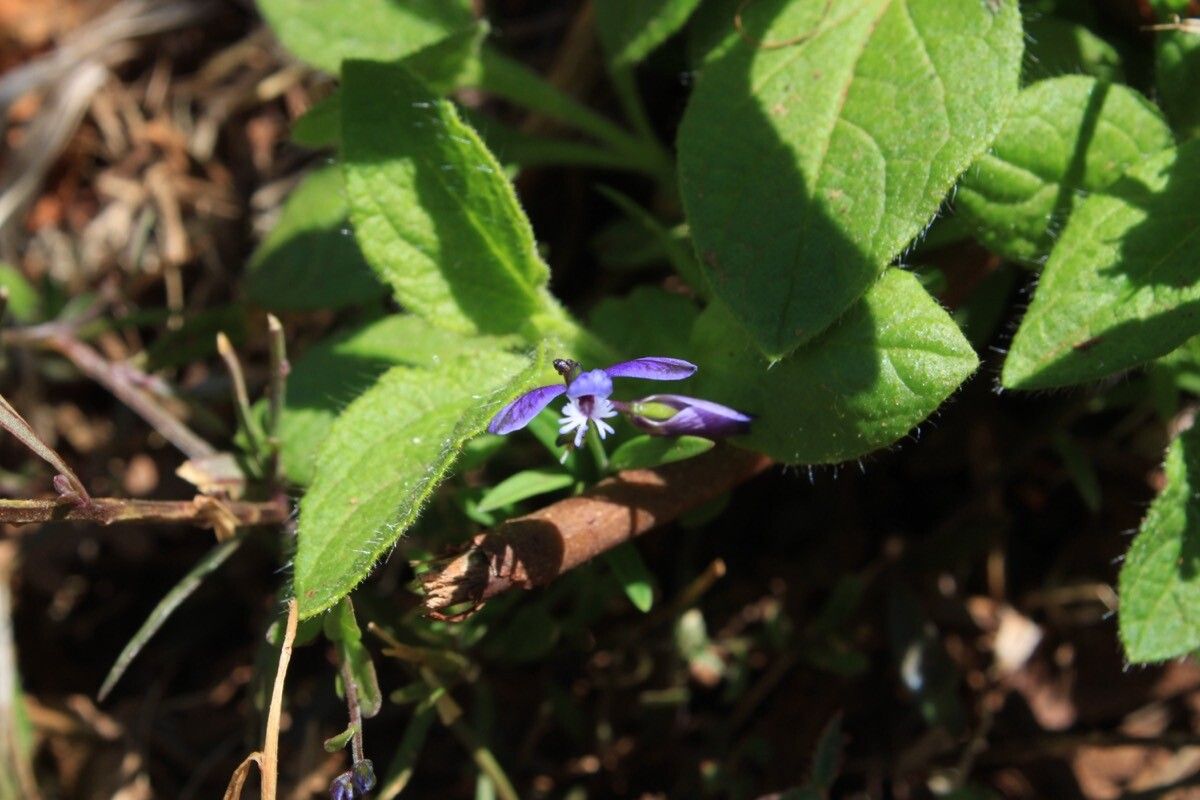
Right then, let’s talk about a plant that’s stolen a little piece of my heart over the years: Polygala baetica. If you’ve ever seen its delicate, pea-like blooms carpeting a garden, you know what I mean. It has this sweet charm, these airy stems, and a color that just pops without being obnoxious. And the best part? You can absolutely create more of these beauties yourself. It’s incredibly rewarding to see a tiny piece of a plant transform into its own thriving specimen. For those of you just dipping your toes into the world of propagation, Polygala baetica is a pretty good friend to start with. It’s not overly fussy, which is always a relief when you’re learning.
The Best Time to Start
When it comes to getting the most joy from your efforts, timing is everything. For Polygala baetica, I find that late spring through early summer is your sweet spot. This is when the plant is actively growing. You want to be taking cuttings from stems that are somewhat mature but still have a good bit of life in them. Avoid the really soft, brand-new growth or anything that looks woody and old. Think of it like harvesting a ripe fruit – you want it at its peak.
Supplies You’ll Need
Gathering your tools beforehand makes the whole process so much smoother. Here’s what I usually have on hand:
- Sharp Pruning Shears or a Craft Knife: Clean cuts are crucial for preventing disease.
- Seed Starting Mix or a Well-Draining Potting Mix: I often use a blend of peat moss, perlite, and a touch of compost. You want it light and airy.
- Small Pots or Trays: Clean ones are a must! Little 3-4 inch pots work perfectly.
- Rooting Hormone (Optional but Recommended): A powder or gel can give your cuttings a significant boost.
- Plastic Bags or a Propagator: To keep humidity high.
- Labels and a Pen: To keep track of what you’ve planted and when.
- Watering Can or Spray Bottle: For gentle watering.
Propagation Methods
Polygala baetica is a champion of stem cuttings. It’s straightforward and usually yields excellent results.
- Take the Cuttings: On a mild day, select healthy, non-flowering stems. Using your sharp shears, cut sections about 4-6 inches long. Make the cut just below a leaf node – that little bump where a leaf emerges. Remove the leaves from the bottom half of the cutting.
- Prepare the Cuttings: If you’re using rooting hormone, dip the cut end of each cutting into it, tapping off any excess.
- Plant the Cuttings: Fill your clean pots with your well-draining mix. Make a small hole in the center of each pot with your finger or a pencil. Gently insert the cut end of the Polygala baetica cutting into the hole, ensuring the leaf nodes are below the soil surface. Firm the soil gently around the stem.
- Water Gently: Water the soil thoroughly but gently, so you don’t disturb the cuttings. You want the soil to be moist, not waterlogged.
- Create a Humid Environment: Pop the pots into plastic bags, creating a mini-greenhouse effect. You can also use a propagator with a lid. Just make sure the leaves aren’t pressed against the plastic.
The “Secret Sauce” (Pro Tips)
Here are a few tricks I’ve learned over the years that can really make a difference:
- Bottom Heat is Your Friend: If you have it, placing your pots on a heated propagator mat makes a huge difference. It encourages root development from below, working in tandem with the humidity.
- Don’t Over-Handle: Once planted, try to resist the urge to constantly check for roots. Frequent disturbance can damage delicate new growth and roots. Trust the process!
- Consider the “Heel” (for some plants): While less common with Polygala baetica, for some woody cuttings, taking a bit of the parent plant’s older stem with the cutting (like a little sliver) can sometimes aid in rooting. With Polygala, clean, node-based cuttings are usually best.
Aftercare & Troubleshooting
Once your cuttings are in their humid little homes, keep them in bright, indirect light. Avoid direct sun, which can scorch them. Continue to water gently whenever the soil starts to feel dry to the touch. You’re looking for signs of new growth – tiny leaves unfurling or the stem itself looking a bit more robust. This can take anywhere from 3-8 weeks, sometimes longer.
The biggest challenge you might face is rot. If you see your cuttings wilting, turning black, or becoming mushy, it’s usually a sign of too much moisture and not enough air circulation. If you catch it early, you might be able to salvage a healthier cutting by moving it to drier soil and ensuring better ventilation. Don’t get discouraged if you lose a few – it’s part of learning!
A Encouraging Closing
Propagating Polygala baetica is an exercise in patience and observation. You’re nurturing a tiny spark of life, and watching it take hold is genuinely exciting. So, gather your supplies, find a quiet afternoon, and give it a go. Be patient, enjoy the quiet satisfaction of it all, and soon you’ll have even more of these charming plants to sweeten your garden. Happy propagating!
Resource:
https://identify.plantnet.org/k-world-flora/species/Polygala%20baetica%20Willk./data