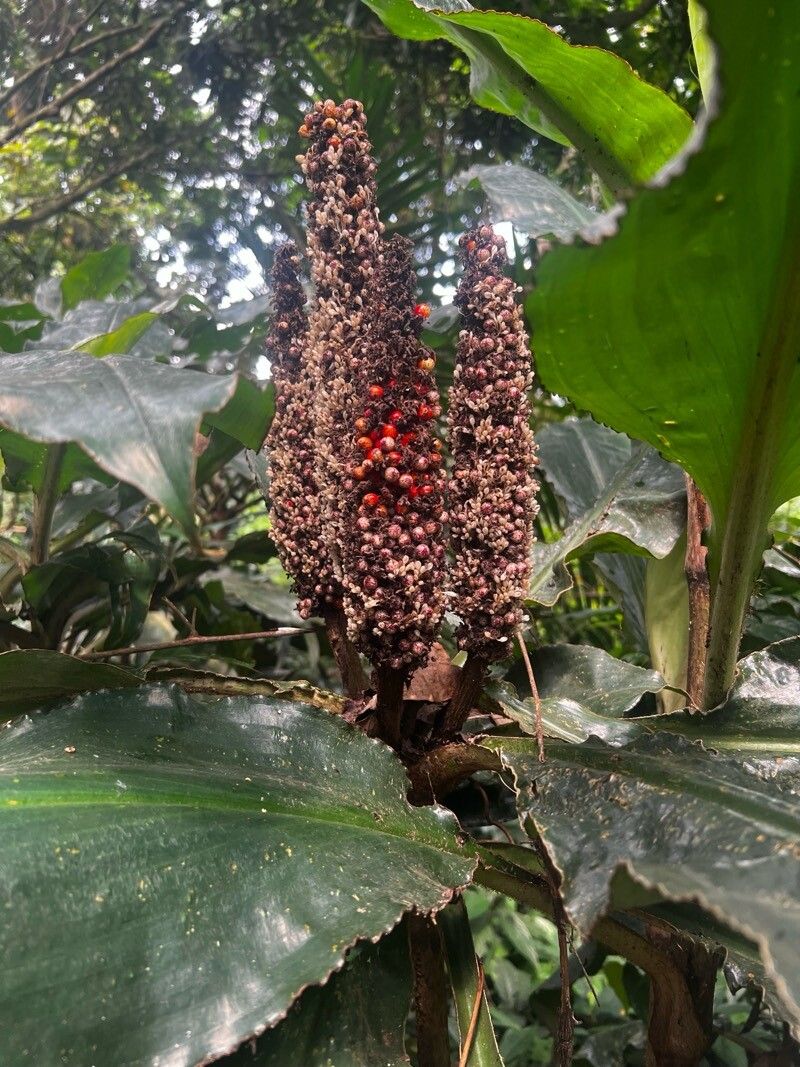
Hey there, fellow plant lovers! I’m so excited to chat with you today about a truly special plant: Palisota schweinfurthii. If you’ve ever seen this beauty, with its striking architectural leaves and vibrant personality, you know exactly why I fell head over heels for it. It adds such a dramatic flourish to any indoor jungle. And guess what? Propagating it is not only incredibly rewarding, but it’s also more achievable than you might think. While it’s not quite a “stick it in water and forget it” situation, it’s definitely within reach for those of you looking to expand your collection with a little effort.
The Best Time to Start
For the absolute best chances of success with your Palisota schweinfurthii cuttings, I always aim to propagate in late spring or early summer. This is when the plant is actively growing and full of energy, meaning those cuttings are more likely to be robust and ready to develop roots. Think of it like giving your new plant babies the warmest, longest days of sunshine to get a good head start.
Supplies You’ll Need
Before we dive into the exciting part, let’s gather our tools:
- Sharp pruning shears or a clean knife: For making clean cuts.
- A rooting hormone powder or gel (optional but recommended): This really helps give your cuttings a boost.
- Well-draining potting mix: I like a blend of peat moss or coco coir with perlite for great aeration. You can also use a gritty mix specifically designed for aroids.
- Small pots or propagation trays: Clean ones, of course!
- A plastic bag or propagation dome: To create a mini-greenhouse effect.
- Water: For rinsing your tools and keeping things hydrated.
- A spray bottle: For misting.
Propagation Methods
There are a couple of ways we can get new Palisota schweinfurthii plants going, but my favorite is definitely stem cuttings.
Stem Cuttings:
- Select a healthy stem: Look for a mature stem that has at least two to three leaf nodes. A node is where a leaf emerges from the stem.
- Make a clean cut: Using your sharp shears or knife, carefully cut the stem just below a leaf node. Aim for a cutting that’s about 4-6 inches long.
- Prepare the cutting: Remove the lower leaves, leaving just one or two at the very top. This helps the plant direct its energy towards rooting rather than supporting too many leaves.
- Dip in rooting hormone (optional): If you’re using rooting hormone, dip the cut end into the powder or gel. Tap off any excess.
- Plant it up: Fill your small pot with your well-draining potting mix. Make a small hole with your finger or a pencil and gently insert the cut end of your Palisota cutting. Firm the soil around the stem to ensure it has good contact.
- Water gently: Give the soil a light watering. You want it to be moist, not waterlogged.
- Create a humid environment: This is key! Cover the pot with a plastic bag or a propagation dome. You can poke a few small holes in the bag for ventilation, or simply lift the dome for a few minutes each day. Place the pot in a spot with bright, indirect light.
- Be patient! Roots can take anywhere from 3 weeks to a couple of months to form. You’ll know it’s starting to root when you see new growth emerging or if you gently tug on the cutting and feel resistance.
The “Secret Sauce” (Pro Tips)
Now, for a couple of little tricks I’ve learned over the years that really make a difference:
- Don’t let those remaining leaves touch the soil! If a leaf sits directly on the surface of the potting mix, it can trap moisture and encourage rot. Keep them elevated, even if that means using a small stake or pruning them back a bit further.
- Bottom heat is your friend! If you have a heat mat designed for propagation, placing your pots on it can significantly speed up the rooting process. It mimics the cozy warmth of the soil in a tropical environment. Just make sure it’s not too hot – you don’t want to cook your cuttings!
Aftercare & Troubleshooting
Once you see signs of roots – that lovely tug of resistance or new leaves unfurling – you’re on your way!
- Gradually acclimate: Once your cutting has a good root system, it’s time to slowly introduce it to normal conditions. Start by removing the plastic bag or dome for a few hours each day, increasing the time gradually over a week or so.
- Repotting: When the roots are well-established and filling the pot, you can move your new Palisota into a slightly larger container with its regular potting mix. Treat it like a young plant – keep it consistently moist but not soggy.
- Signs of trouble: The most common issue you might encounter is rot. This usually happens if the cuttings are too wet and lack proper airflow. If you see the stem turning mushy or black, it’s likely beyond saving. Prevention is key here – well-draining soil and avoiding overwatering are your best defenses. Yellowing leaves on a cutting can sometimes indicate it’s not getting enough light, or that it’s using up its stored energy before rooting.
A Little Encouragement
Propagating plants is a journey, and sometimes it takes a few tries to get it just right. Don’t be discouraged if your first attempt isn’t a roaring success. Observe your cuttings, learn from what you see, and celebrate every small victory. The joy of nurturing a new life from a tiny piece of your beloved plant is truly something special. Happy propagating!
Resource:
https://identify.plantnet.org/k-world-flora/species/Palisota%20schweinfurthii%20C.B.Clarke/data