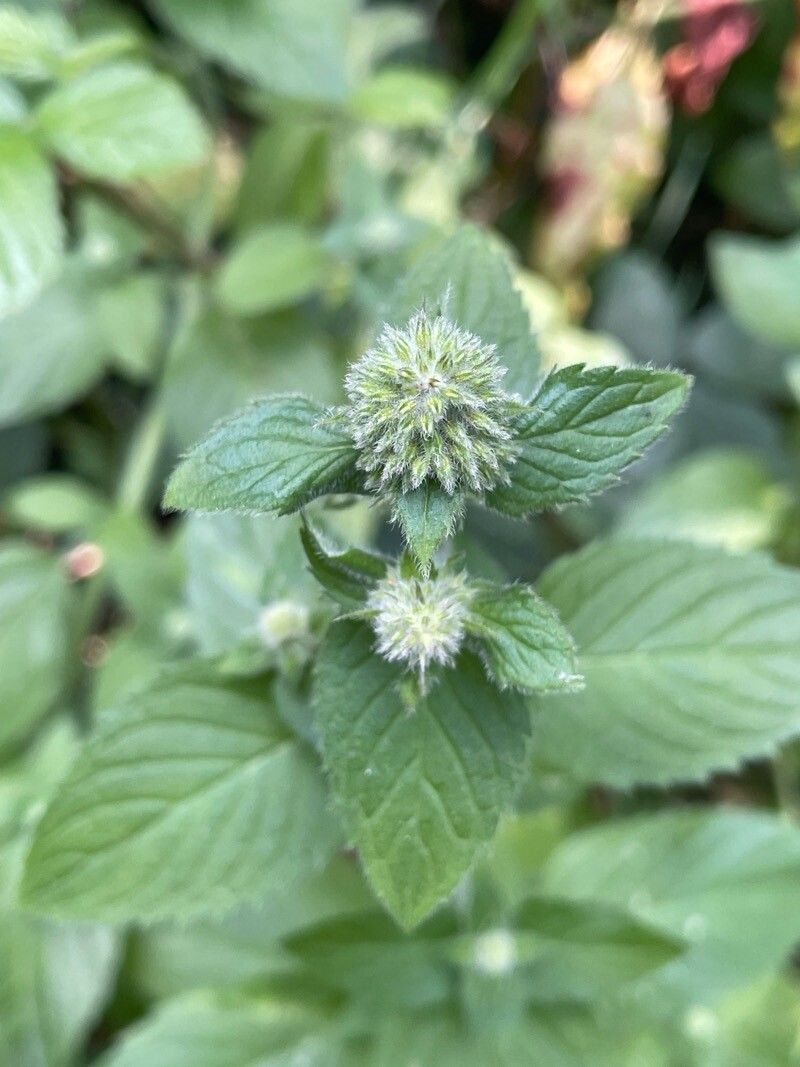
Ah, Mentha aquatica! If you’ve ever brushed past this delightful water mint, you’ve likely been greeted by its refreshing, slightly lemony aroma. It’s a wonderful plant, not just for its scent, but for its lovely little purple flower spikes that attract all sorts of buzzy pollinators in the summer. Growing it, and even better, propagating it, is a truly satisfying little project. And for those of you just starting out with your gardening journey, I’ve got good news: Mentha aquatica is wonderfully forgiving. You’ll find it quite easy to multiply this beauty.
The Best Time to Start
Honestly, the best time to get your hands dirty with Mentha aquatica propagation is late spring or early summer. This is when the plant is in its active growth phase. You’ve got plenty of fresh, flexible stems that are eager to establish themselves. Think of it as the plant having a burst of energy – it’s the perfect moment to borrow a piece of that vigor.
Supplies You’ll Need
Gathering your supplies before you begin makes the whole process so much smoother. Here’s what you’ll want on hand:
- Sharp Pruning Shears or a Knife: For clean cuts that heal quickly.
- Potting Mix: A good quality, well-draining potting mix is key. I often use a blend of peat moss, perlite, and a little compost.
- Small Pots or Seed Trays: Whatever you have available; even old yogurt containers with drainage holes can work in a pinch.
- Rooting Hormone (Optional but helpful): This little powder or gel encourages faster root development.
- Watering Can or Spray Bottle: For gentle watering.
- Plastic Bag or Propagator Lid: To create a humid environment.
Propagation Methods
Mentha aquatica is a champ at propagating. Here are my favorite ways to coax new plants from established ones.
Stem Cuttings
This is my go-to method for water mint. It’s quick and almost always successful.
- Take Your Cuttings: Choose healthy, non-flowering stems. Look for stems that are about 4-6 inches long. Using your clean shears, make a cut just below a leaf node (that’s where a leaf attaches to the stem). Remove any leaves from the bottom half of the cutting.
- Prepare for Rooting: If you’re using rooting hormone, dip the cut end of the stem into it.
- Plant Them Up: Fill your small pots with the moist potting mix. Make a hole with your finger or a pencil, and insert the prepared cutting. Gently firm the soil around the base.
- Create a Humid Microclimate: Water the soil lightly. Then, cover the pot with a clear plastic bag, securing it at the bottom, or use a propagator lid. This keeps the moisture in and boosts your success rate. Place the pots in a bright spot, but avoid direct, harsh sunlight, which can scorch the delicate cuttings.
Water Propagation
This method is even simpler and really fun to watch!
- Take Cuttings: Again, select healthy, non-flowering stems, about 4-6 inches long. Cut just below a leaf node and remove the lower leaves, leaving just a couple at the very top.
- Place in Water: Pop the cuttings into a glass or jar of fresh water. Make sure that no leaves are submerged in the water, as they will rot.
- Find a Good Spot: Place the jar in a bright location, out of direct sun.
- Monitor and Change Water: Change the water every few days, or whenever it looks cloudy. You’ll start seeing little white root nubs appearing from the leaf nodes within a week or two. Once the roots are about an inch long, you can transplant them into pots filled with potting mix.
Division
If you already have a mature Mentha aquatica plant, division is a wonderful way to rejuvenate it and get more plants.
- Dig Up the Plant: In spring or early fall, carefully dig up the entire plant.
- Separate the Roots: Working gently, separate the root ball into smaller sections. Each section should have some healthy roots and at least a few shoots or stems.
- Replant: You can replant the divisions directly into the ground or into pots with fresh potting mix. Water them in well.
The “Secret Sauce” (Pro Tips)
Here are a couple of things I’ve learned over the years that really make a difference:
- Bottom Heat is Your Friend: For stem cuttings, especially if your house is a bit cool, placing the pots on a heated propagator mat can significantly speed up root development. It mimics the warmth of summer soil.
- Don’t Be Afraid to Pinch: Once your stem cuttings have rooted and started to grow, pinch off the growing tip. This encourages the plant to branch out, making for a bushier, more robust new plant.
Aftercare & Troubleshooting
Once your cuttings have rooted (you’ll see new leaf growth or feel gentle resistance when you tug lightly), it’s time to give them a bit more freedom.
- Gradual Acclimatization: If you were using a plastic bag, slowly remove it over a few days to let the plant adjust to normal humidity.
- Watering: Keep the soil consistently moist, but not waterlogged. Mentha aquatica loves a good drink, but its roots will rot if they sit in soggy conditions.
- Feeding: Once the plant is established and growing well, a diluted liquid fertilizer every 4-6 weeks during the growing season is a nice treat.
The most common issue you might encounter is rot. If you see your cuttings turning mushy and brown, it’s usually a sign of too much moisture or poor air circulation. Ensure good drainage, and if using the bag method, open it up a bit more. Don’t give up if one or two don’t make it; it happens to the best of us! Just try again.
A Encouraging Closing
Propagating Mentha aquatica is such a rewarding experience. It’s a wonderful way to fill your garden, share with friends, or just enjoy the satisfaction of creating new life from a single stem. Be patient with your new little plants, give them good care, and most importantly, enjoy the journey. Happy gardening!
Resource:
https://identify.plantnet.org/k-world-flora/species/Mentha%20aquatica%20L./data