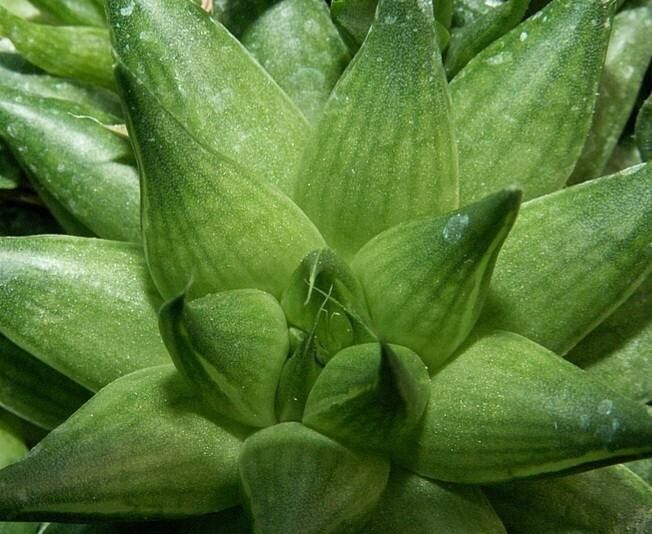
Hello, fellow plant lovers!
Today, we’re diving into the wonderful world of Haworthia, specifically Haworthia marumiana. If you’re drawn to those wonderfully textured, architectural succulents with their striking patterns, you’re in for a treat. Haworthia marumiana is a gem. Its dark, almost black, pointed leaves create a real statement, and propagating it is a fantastic way to fill your home with more of these beauties. I’ve found it to be quite an approachable plant for beginners, which makes the rewards even sweeter!
The Best Time to Start
For the highest success rate with Haworthia marumiana, I always recommend starting in its active growing season. This typically falls during the spring and early summer. You’ll notice your plants really pushing out new growth during these months, making them more receptive to propagation. While you can try it at other times, you’re more likely to see faster and more robust results when they’re naturally energized from warmer temperatures and longer daylight hours.
Supplies You’ll Need
To get your propagation journey off to the best start, here’s a handy list of what you’ll want to have on hand:
- Sharp, clean pruning shears or a knife: Sterilize them, even if they look clean! A quick dip in rubbing alcohol or a flame will do.
- Well-draining succulent or cactus potting mix: You can buy this or make your own by mixing potting soil with perlite and coarse sand. Aim for about a 1:1:1 ratio.
- Small pots or seedling trays: Make sure they have drainage holes!
- Rooting hormone (optional but helpful): This can give your cuttings a little extra kickstart.
- Water spray bottle: For gentle moisture.
- A shallow tray or dish: If you decide to try water propagation.
- Newspaper or paper towels: To let cuttings callus over.
Propagation Methods
Haworthias, and marumiana in particular, are wonderfully easy to propagate, primarily through offsets and leaf cuttings.
Offsets (The Easiest Route!)
Haworthias are known for producing little baby plants, called offsets, around their base. This is my go-to method because it’s so straightforward.
- Gently remove the parent plant from its pot. Be careful with the roots, but don’t be afraid to give it a little shake to expose the base.
- Identify the offsets. You’re looking for small rosettes that have started to form their own root structure.
- Carefully separate the offset. Use your clean pruning shears or knife to cut the offset away from the mother plant, making sure to get a piece of the root if possible. Sometimes they detach with just a slight tug.
- Let it callus. Place the separated offset on a dry paper towel or newspaper in a warm, dry location out of direct sunlight for 2-3 days. This allows the cut end to dry out and form a protective scab, which helps prevent rot.
- Pot it up! Once callused, plant the offset in your well-draining succulent mix. It’s best to plant it at the same depth it was growing before.
- Water sparingly. Wait at least a week after potting before watering. Then, water lightly. You want the soil to be moist, not soggy.
Leaf Cuttings (A Bit More Patience Needed)
This method takes a little more time and patience, but it’s incredibly rewarding when those tiny new plants start to appear.
- Identify a healthy leaf. Choose a mature, healthy leaf from the mother plant. It’s best to take it from the lower part of the rosette.
- Gently remove the leaf. Twist the leaf at its base until it cleanly detaches from the stem. You want to get as much of the base as possible.
- Callus the cut end. Just like with offsets, place the leaf on a dry paper towel in a warm, bright spot for 3-5 days until the cut end is dry and callused.
- Place on soil. Lay the callused leaf on top of your moist succulent potting mix. The callused end should lightly touch the soil.
- Provide gentle moisture. Lightly mist the soil surface every few days, just enough to keep it from completely drying out. Avoid getting the leaf itself constantly wet.
- Wait and watch. This is where patience comes in! It can take several weeks, or even months, for a tiny new rosette and roots to form from the base of the leaf.
The “Secret Sauce” (Pro Tips)
Here are a couple of things I’ve learned over the years that really boost my propagation success:
- Don’t let your leaf cuttings constantly sit in water. If you’re trying water propagation, and I don’t recommend it for Haworthia leaves as they’re prone to rot, make sure only the very tip of the leaf is touching the water. Better yet, stick to the soil method.
- A little bottom heat is a game-changer, especially for stubborn cuttings. If you have a seedling heat mat, placing your pots on it can really encourage root development. It mimics the warmth they’d get in their natural habitat and is especially helpful if your home is a bit cooler.
Aftercare & Troubleshooting
Once you see those little roots or a new growth emerging, congratulations! Now comes the gentle nurturing phase.
For offsets, continue watering sparingly. Let the soil dry out between waterings. They are essentially mini plants once separated, so they’ll grow at their own pace.
For leaf cuttings, once you see a tiny rosette and roots developing, you can gently transplant it to its own small pot. Continue to keep the soil lightly moist and the young plants out of harsh direct sunlight. They are delicate at this stage.
The most common issue you’ll encounter is rot. This usually happens from too much moisture or from not allowing cuttings to callus properly. If a leaf turns mushy and brown, it’s likely rotted. Try to remove it immediately to prevent it from affecting other cuttings. If an entire offset rots, it’s a tough loss, but don’t be discouraged; try again! Sometimes, overwatering new, unrooted cuttings can lead to rot. It’s always better to err on the side of underwatering.
A Little Patience Goes a Long Way
Propagating succulents like Haworthia marumiana is a journey of observation and gentle care. There’s a unique joy in watching a small piece of a plant transform into a whole new life. Don’t fret if not every cutting is a success story; each attempt teaches you something new. Enjoy the process, celebrate the small victories, and soon you’ll have a whole collection of these stunning succulents! Happy propagating!
Resource:
https://identify.plantnet.org/k-world-flora/species/Haworthia%20marumiana%20Uitewaal/data