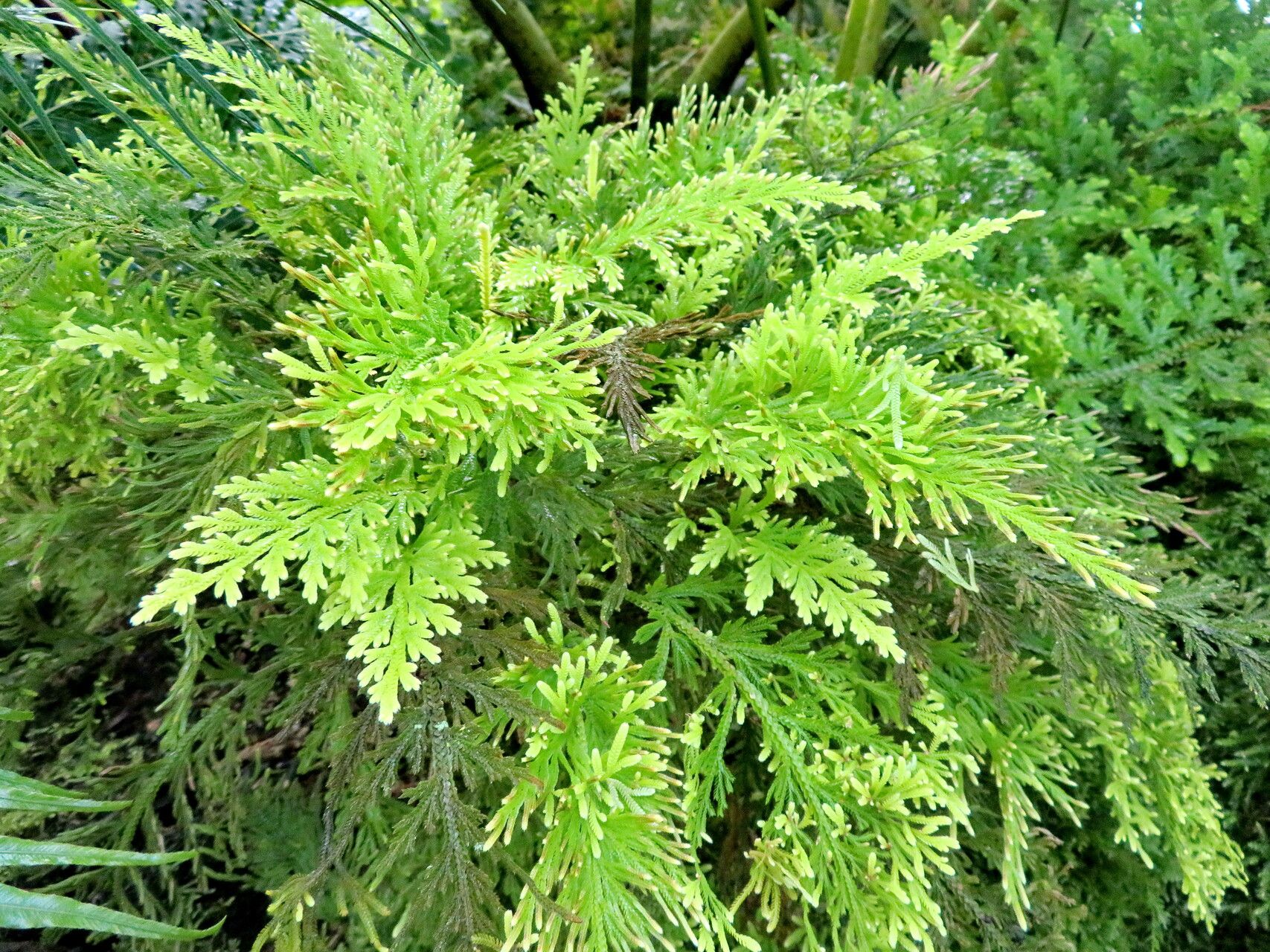
Oh, Selaginella pallescens! You know, I’ve always had a soft spot for these little wonders. With their delicate, lace-like foliage, they bring a touch of the rainforest right into our homes, even if it’s just a small corner. And the best part? You can easily multiply them! Sharing this intricate beauty with friends, or just expanding your own collection, is incredibly satisfying. Honestly, I find Selaginella pallescens to be a pretty forgiving plant when it comes to propagation, which makes it a fantastic project for anyone, even if you’re just starting your plant parent journey.
The Best Time to Start
For the most success, I always aim to propagate Selaginella pallescens during its active growing season. That means late spring through to early autumn. During these warmer months, the plant has more energy reserves to put into developing new roots. You’ll see much faster results, and your cuttings will be more vigorous. You can take cuttings at any point when the plant is actively growing, but starting with healthy, vibrant stems will always give you the best chance.
Supplies You’ll Need
Before we get our hands dirty, let’s gather our tools. Having everything ready makes the process so much smoother:
- Sharp Pruning Shears or a Craft Knife: For clean cuts that heal quickly.
- Well-Draining Potting Mix: A good blend of peat moss, perlite, and a bit of compost works wonders. Or, a pre-made cacti and succulent mix is often a great base that you can amend.
- Small Pots or Trays: Clean containers, at least 2-3 inches deep, are ideal.
- Rooting Hormone (Optional but Recommended): This gives your cuttings a nice little boost.
- Watering Can or Spray Bottle: Gentle watering is key.
- Plastic Bag or Dome: To create a humid environment for your cuttings.
- Perlite or Vermiculite (Optional): For added drainage and aeration in your potting mix.
Propagation Methods
Selaginella pallescens is happy to be propagated in a couple of straightforward ways. I tend to find stem cuttings to be the most reliable, but division is also an option if you have a mature plant.
Stem Cuttings
This is my go-to for Selaginella. It’s quick and usually yields great results.
-
Select a Healthy Stem: Look for a healthy, non-flowering stem. You want a piece that’s about 3-4 inches long.
-
Make the Cut: Using your sharp shears or knife, make a clean cut just below a leaf node. This is where new roots will want to emerge.
-
Prepare the Cutting: Gently remove the lower leaves from the cutting. You want to expose a bit of the stem so it can make contact with the soil or water. This prevents leaf rot during the crucial rooting phase.
-
Apply Rooting Hormone (Optional): If you’re using rooting hormone, dip the cut end of the stem into it. Tap off any excess.
-
Plant Your Cutting:
- In Soil: Fill your small pot with your prepared potting mix. Make a small hole with your finger or a pencil, and insert the cutting. Gently firm the soil around the stem.
- In Water: You can also root Selaginella in water. Place the cutting in a small jar or glass of water, ensuring no leaves are submerged. This is vital to prevent rot.
-
Create Humidity: This is a critical step! Cover the pot with a clear plastic bag (secured with a rubber band or string) or place it under a plastic dome. This traps moisture and creates a mini-greenhouse effect. If you’re propagating in water, you can achieve similar humidity by simply placing the jar in a bright spot.
-
Find a Good Spot: Place your cuttings in a location that receives bright, indirect light. Avoid direct sun, as this can scorch the young cuttings. A warm spot is also beneficial.
Division
If your Selaginella has become a bit crowded and is producing new growth from the base, division is a great option.
- Gently Remove the Plant: Carefully take the parent plant out of its pot.
- Inspect the Roots: Gently shake off some of the excess soil to get a good look at the root system.
- Separate the Divisions: With clean hands or a clean knife, carefully separate healthy sections of the plant. Each division should have a good amount of roots and foliage.
- Pot Up: Pot each division into its own container with fresh, well-draining potting mix.
- Water Gently: Water each new division thoroughly and treat them as you would mature Selaginella, keeping the soil consistently moist but not waterlogged.
The “Secret Sauce” (Pro Tips)
Over the years, I’ve picked up a few tricks that seem to make all the difference. Give these a try!
- The Bottom Heat Trick: Selaginella roots love warmth! Placing your pots with cuttings on a heat mat (specifically designed for plants) can dramatically speed up root development. It mimics the warmth of the soil in their natural habitat.
- Don’t Drench and Forget: While they love humidity, consistently soggy soil is a death sentence for cuttings. I always let the top half-inch of soil dry out slightly between waterings. This encourages the roots to seek out moisture, making them stronger.
- Watch for Water Level in Water Propagation: If you choose water propagation, monitor the water level and top it up as needed. And as I mentioned earlier, ensure no leaves are touching the water, as this is a prime spot for rot to set in.
Aftercare & Troubleshooting
Once you start seeing signs of new growth or feel resistance when gently tugging on a cutting, it’s a good sign that roots have formed!
- Acclimatize Gradually: Once roots have developed, slowly begin to harden off your new plants. This means gradually introducing them to the lower humidity of your home. Open the plastic bag a little more each day over a week or two before removing it completely.
- Consistent Moisture: Continue to keep the soil consistently moist but not waterlogged. They thrive in humidity, so misting occasionally or placing them in a more humid spot (like a bathroom or kitchen) can be beneficial.
- Common Issues: The biggest culprit is rot. If your cuttings start to go brown and mushy, it’s usually a sign of too much moisture or poor air circulation. If you catch it early, you might be able to save a healthy part of the stem. Yellowing leaves can sometimes indicate overwatering, while wilting might mean they’re too dry or haven’t rooted yet.
A Encouraging Closing
Propagating Selaginella pallescens is a wonderful way to connect with nature and the magic of plant growth. Don’t be discouraged if your first attempt isn’t perfect. Gardening is all about learning and experimenting. Be patient, observe your cuttings, and enjoy the rewarding process of bringing new life into your home. Happy propagating!
Resource: