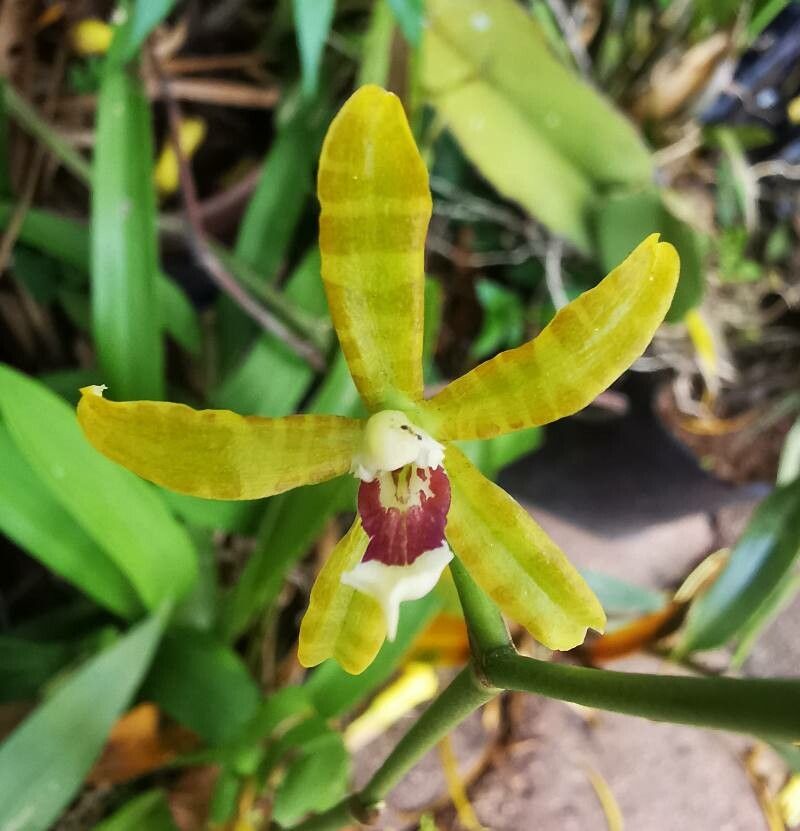
Oh, hello there! It’s so lovely to have you join me for a cozy chat in our little corner of the gardening world. Today, we’re diving into the wonderful process of propagating Oncidium stenoglossum. If you’ve ever marveled at its delicate, buttercup-yellow blooms, you know exactly why I adore this orchid. There’s a unique joy in nurturing a new life from a part of an existing one, and Oncidium stenoglossum offers us a fantastic opportunity to do just that. While it might seem a tad intimidating at first glance, I promise you, with a little guidance, you’ll be well on your way to success. This isn’t the absolute easiest orchid to take cuttings from, but with consistent care, beginners can definitely achieve rewarding results.
When is the Best Time to Get Started?
The sweet spot for propagating Oncidium stenoglossum really comes down to its active growing season. For most of us, this means spring or early summer. During this time, the plant has plenty of energy reserves to dedicate to forming new roots and shoots. You’ll often see new growths, called pseudobulbs, emerging or maturing. This is your cue! Aim to propagate just as these new pseudobulbs are starting to look plump and healthy.
What You’ll Need to Gather
Before we get our hands dirty, let’s make sure we have our toolkit ready. Having everything at your fingertips makes the whole process feel much smoother.
- Sharp Pruning Shears or a Clean, Sharp Knife: For making clean cuts. Sterilize them with rubbing alcohol before and after use to prevent disease.
- Potting Mix: A well-draining orchid mix is essential. I usually use a blend of bark chips, perlite, and a bit of sphagnum moss. You can also buy pre-made orchid mixes.
- Pots: Small pots or seed-starting trays with drainage holes.
- Rooting Hormone (Optional but Recommended): A powder or gel form to encourage root development.
- Spray Bottle: For misting.
- Clear Plastic Bags or a Propagation Dome: To create a humid environment.
- Labels and a Waterproof Marker: To keep track of your new little ones.
Let’s Propagate: Division is Key!
For Oncidium stenoglossum, the most reliable and common method of propagation is division. This is essentially splitting larger plants into smaller, independent ones.
- Prepare the Parent Plant: Gently remove the orchid from its pot. You might need to loosen the soil around the edges with your fingers or a blunt tool if it’s stuck.
- Clean the Roots: Gently tease away as much of the old potting mix as you can from the root ball. This will allow you to see the structure of the plant more clearly and identify where to make your cuts.
- Assess the Rhizome: Look for the rhizome, which is the thick, stem-like structure that connects the pseudobulbs. You want to divide the plant where there are at least two to three healthy pseudobulbs attached to a piece of rhizome. Each division should also have some healthy roots.
- Make the Cut: Using your sterilized shears or knife, carefully cut through the rhizome between the divisions. Aim for a clean cut.
- Inspect and Trim: Examine the cut ends. If there are any dead or mushy roots, trim them away with your sterilized tool. If the cut on the rhizome looks particularly “wet,” you can let it air dry for a few hours in a well-ventilated spot to help it callus over.
- Potting Up: Fill your new pots with your orchid mix. Place each division into a pot, ensuring the pseudobulbs are sitting on top of the mix, not buried. Spread the roots out gently.
- Initial Watering: Water the new divisions lightly. You don’t want to drown them, but you do want the potting mix to be slightly moist.
The “Saucy” Secrets from My Garden
Here are a few things I’ve learned over the years that really make a difference:
- The Power of Patience with Roots: After potting, don’t be tempted to yank on your new divisions to check for roots! It can take weeks, even months, for new roots to establish. You’ll see new leaf growth or pseudobulbs forming first as a sign of successful root development.
- Humidity is Their Best Friend: New divisions are like babies – they need a nurturing environment. Pop a clear plastic bag loosely over the pot and plant or place them under a propagation dome. Make sure there’s some airflow; you don’t want it to be completely sealed, or rot can set in.
- Bottom Heat for a Boost: If you have the space, placing your potted divisions on a gentle heating mat can significantly speed up root initiation. Think of it as giving them a warm footbath!
Aftercare and What to Watch For
Once your new Oncidium stenoglossum divisions are settled into their new homes, keep them in bright, indirect light. Misting the leaves and surrounding air regularly will help maintain that crucial humidity. Water sparingly until you see signs of new growth, which indicates good root development.
The most common issue you might encounter is rot. If you notice pseudobulbs looking shriveled, mushy, or discolored, it’s often a sign of too much moisture or poor drainage. In this case, try to remove the affected parts with your sterilized tool, and allow the plant to dry out more thoroughly. If the entire division looks sickly and doesn’t show any signs of life after a good while, it might not have taken. Don’t get discouraged; it happens to all of us!
Keep Nurturing, Keep Growing!
Propagating orchids can be a journey, and Oncidium stenoglossum is a rewarding one to embark on. Remember to be patient, observant, and most importantly, enjoy the process of nurturing these beautiful plants. Watching a tiny division unfurl its first new leaf is pure gardening magic. Happy propagating!
Resource: