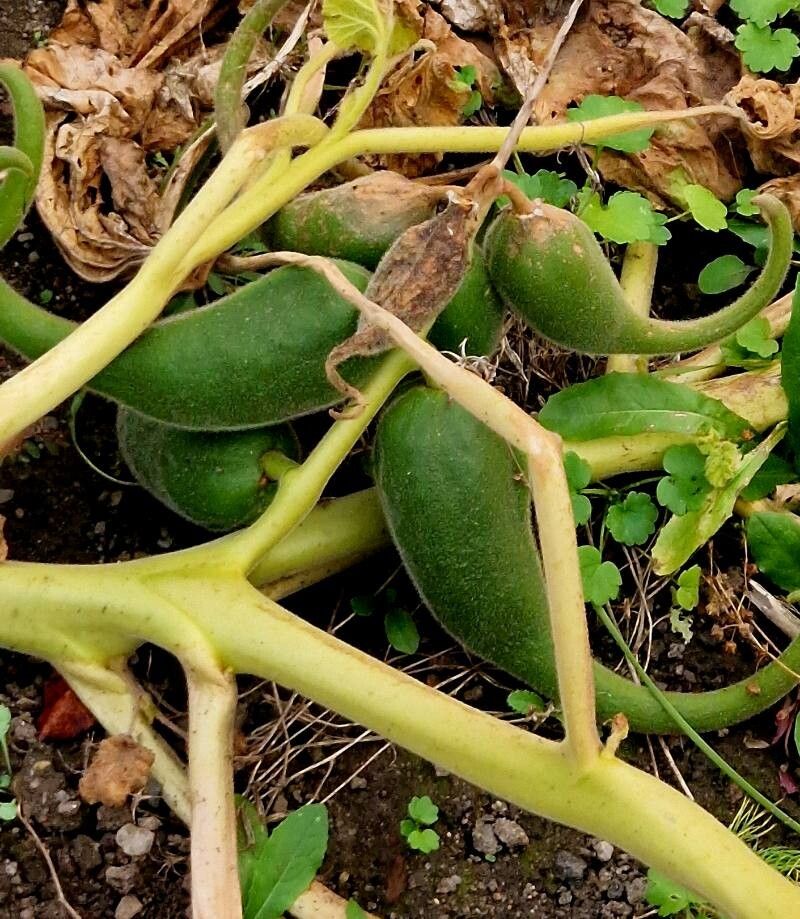
Hello fellow garden enthusiasts! Today, we’re diving into the wonderful world of Ibicella lutea, also known as the Hunnera or Yellow Unicorn Plant. If you’ve ever seen this charming little plant with its distinctive curved seed pods, you know how much character it brings to a garden. It has this almost whimsical, sculptural quality that I just adore. Plus, successfully propagating it offers such a lovely sense of accomplishment. I’d say for the beginner gardener, it’s moderately easy. You’ll need a touch of patience, but the rewards are well worth it!
The Best Time to Start
For Ibicella lutea, the sweet spot for propagation is typically in spring. You’re looking for actively growing plants that haven’t yet flowered or set seed. This gives your new cuttings or divisions the best chance to establish themselves before the full heat of summer sets in. If you miss spring, late summer can also work, but be mindful of getting them settled before cooler weather arrives.
Supplies You’ll Need
To get started on your propagation journey, gather these essentials:
- Sharp, clean pruning shears or a razor blade: For making clean cuts.
- Well-draining potting mix: I usually use a blend of equal parts seed-starting mix and perlite, or a commercial succulent/cactus mix.
- Small pots or seed trays: With drainage holes, of course!
- Optional: Rooting hormone powder or gel: While not strictly necessary for all pieces, it can give cuttings a nice boost.
- Watering can or spray bottle: For gentle watering.
- Clear plastic bags or a propagation dome: To maintain humidity for cuttings.
- A small trowel or dibber: For making planting holes.
Propagation Methods
Ibicella lutea can be propagated with relative ease through a couple of methods, but my favorite for this plant is from seed, as it closely mimics its natural growth pattern.
Growing from Seed
This is, hands down, the most straightforward and rewarding way to propagate Ibicella lutea.
- Harvesting Seeds: Allow the seed pods to mature and dry on the plant. You’ll know they’re ready when they turn brown and papery. Gently break them open to reveal the seeds inside. Store them in a dry, cool place until you’re ready to sow.
- Sowing the Seeds: In early spring, fill your pots or trays with your well-draining potting mix. Sow the seeds about ¼ inch deep. You can sow them directly in individual small pots or in a larger tray where you can transplant them later.
- Watering: Water gently after sowing, ensuring the soil is moist but not waterlogged. A spray bottle works wonderfully here to avoid disturbing the seeds.
- Germination: Cover the pots or trays with a clear plastic bag or propagation dome to keep humidity high. Place them in a warm spot with bright, indirect light. Germination can take anywhere from two weeks to a month, so be patient!
- Transplanting: Once your seedlings are a few inches tall and have developed a couple of sets of true leaves, they are ready to be carefully transplanted into their own individual pots. Handle them by their leaves, not their delicate stems.
The “Secret Sauce” (Pro Tips)
Here are a few little tricks I’ve learned over the years that make a difference:
- Stratification is Key (Sometimes): While Ibicella lutea seeds often germinate readily, some gardeners have found that a brief period of cold stratification can improve germination rates, especially if you’re harvesting less-than-perfectly ripe seeds. Just pop them in a damp paper towel in a sealed bag in the fridge for about 2-4 weeks before sowing.
- Don’t Overwater Early Sprouts: This is crucial! Young seedlings are incredibly susceptible to damping off, a fungal disease that causes them to collapse at the soil line. Ensure good air circulation around your seedlings and let the soil surface dry out slightly between waterings.
- Mimic Their Native Habitat: Ibicella lutea tends to grow in areas with good drainage and enjoys plenty of sunshine. When transplanting, choose a spot that replicates this. They aren’t fussy about rich soil, so a lean-to-medium mix is perfect.
Aftercare & Troubleshooting
Once your Ibicella lutea babies have established roots, transition them slowly to more regular watering. Water when the top inch of soil feels dry. Gradually remove any humidity domes or plastic coverings to help them acclimate to your home’s or garden’s humidity levels.
The most common issue you’ll encounter is damping off if you keep the environment too moist and stagnant. If you see seedlings suddenly wilting and collapsing at the base, it’s likely this.Unfortunately, once damping off sets in, it’s hard to save the affected seedlings. Prevention is truly the best cure – focus on good drainage and air circulation! Slow growth might also be a sign they need more light or slightly warmer temperatures, but generally, they’re quite resilient once established.
Happy propagating! Watching a seed sprout and grow into a beautiful, mature plant is one of the most satisfying aspects of gardening. Be patient, enjoy the process, and before you know it, you’ll have more of these unique Hunnera plants to adorn your garden or share with friends. Happy growing!
Resource:
https://identify.plantnet.org/k-world-flora/species/Ibicella%20lutea%20(Lindl.)%20Van%20Eselt./data