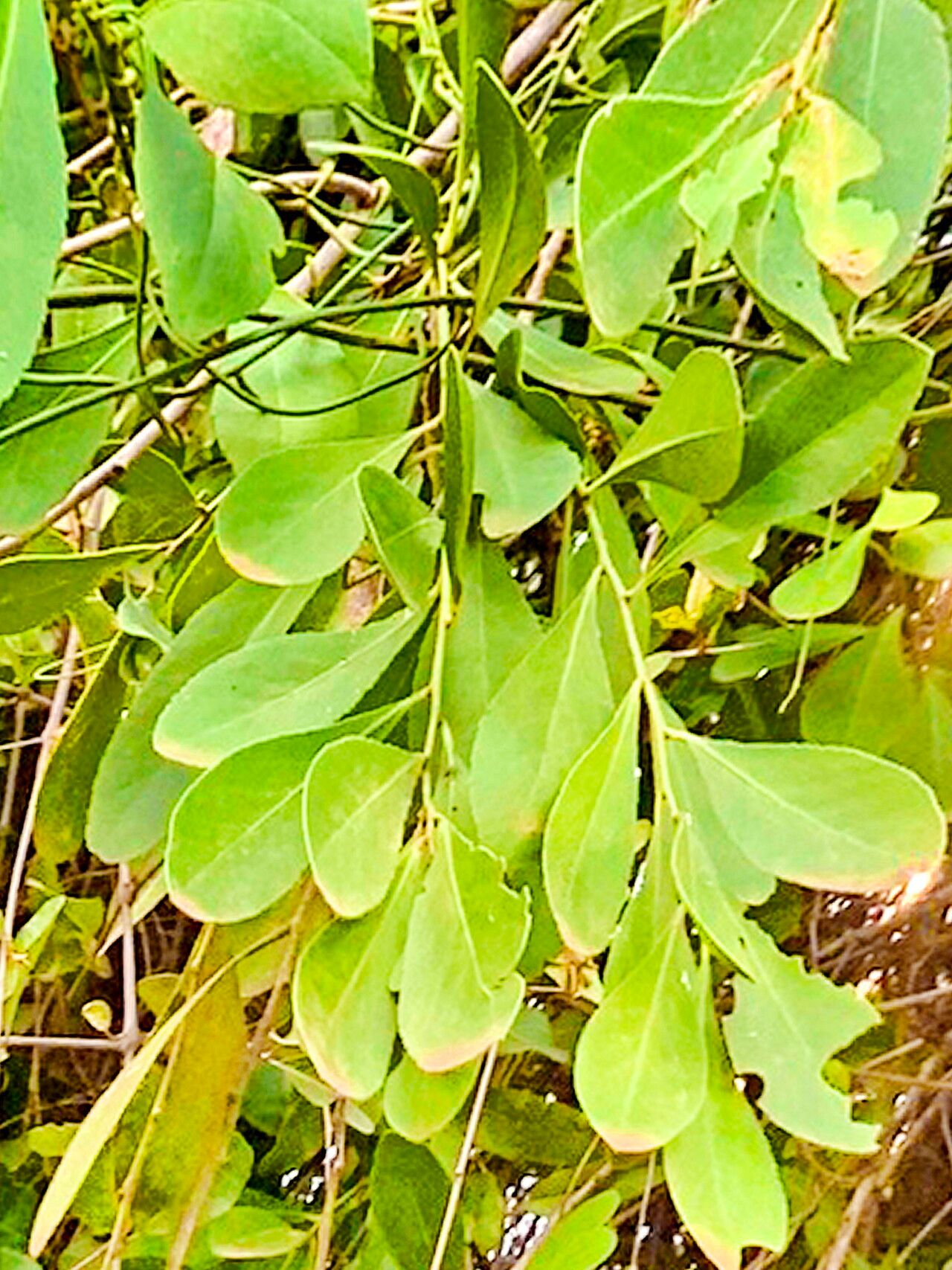
Oh, hello there! Come on in and grab yourself a mug of something warm. Today, we’re going to chat about a plant that truly captures the imagination: Combretum imberbe, also known as the Leadwood tree. If you love a touch of the wild and a plant with a story, you’re going to adore this one. Its distinctive grey bark, often adorned with lichen, and its sturdy, almost architectural form make it a real statement piece. And the best part? Bringing more of these beauties into your life through propagation is an absolute joy. Now, is it a breeze for brand-new gardeners? Honestly, Combretum imberbe can be a bit of a patient plant to propagate. It’s not impossible, but you’ll get the best results with a bit of understanding and a willingness to learn. Don’t let that deter you; with a few pointers, you’ll be well on your way!
The Best Time to Start
Timing is everything, isn’t it? For our Combretum imberbe, the absolute sweet spot for propagation is during its active growing season. Think late spring and throughout the summer months. This is when the plant has the most energy to put into developing new roots. You’re looking for new growth that is semi-hardened. This means the stems are no longer floppy and green, but they haven’t become completely woody and stiff yet. They’ll have a bit of give when you bend them.
Supplies You’ll Need
Let’s get our tools ready. Having everything on hand makes the process so much smoother.
- Sharp pruning shears or a clean, sharp knife: For making clean cuts.
- Rooting hormone: A powder or gel can really give your cuttings a boost.
- Well-draining potting mix: A good blend often includes perlite or coarse sand to prevent waterlogging. I like a mix of peat moss, perlite, and a bit of compost.
- Small pots or seed trays: Make sure they have drainage holes.
- Plastic bags or a propagator lid: To create a humid environment.
- Watering can or spray bottle: For gentle watering.
- Optional: Bottom heat mat: This can be a game-changer for encouraging root development.
Propagation Methods
There are a couple of ways we can encourage new Combretum imberbe, but stem cuttings are generally the most successful and accessible method for home gardeners.
Stem Cuttings:
- Take Your Cuttings: First things first, select healthy, non-flowering stems from your Combretum imberbe. Using your sharp pruning shears, make a clean cut just below a leaf node. A leaf node is where a leaf attaches to the stem. Aim for cuttings that are about 4-6 inches long.
- Prepare the Cuttings: Gently remove the leaves from the lower half of the cutting. You want to expose at least one or two leaf nodes. This is where root formation will primarily occur. You can trim any larger leaves to reduce water loss.
- Apply Rooting Hormone: Dip the cut end of the stem into your rooting hormone. Tap off any excess. This step is like giving your cutting a little encouragement to get started.
- Plant Your Cuttings: Fill your pots or trays with your well-draining potting mix. Make a small hole with your finger or a pencil and gently insert the prepared cutting, ensuring at least one leaf node is buried in the soil. Firm the soil gently around the base of the cutting.
- Create a Humid Environment: Water the soil lightly. Then, cover the pot with a plastic bag, being careful not to let the leaves touch the bag. You can also use a propagator lid. This will trap moisture and create the humid microclimate that cuttings crave.
- Provide the Right Conditions: Place your cuttings in a warm spot with bright, indirect light. Avoid direct sun, which can scorch the delicate new growth.
The “Secret Sauce” (Pro Tips)
Now, for a few little nudges that seasoned gardeners know make a difference.
- Don’t let the leaves touch the water (if you were to try water propagation): While stem cuttings are best in soil for Combretum imberbe, if you ever do try water propagation with other plants, always ensure the leaves are well above the water line. Submerged leaves will rot and can spread that rot to the stem, dooming your cutting before it even has a chance.
- Bottom heat is your friend: If you’re serious about success, a bottom heat mat can significantly speed up root development. This gentle warmth mimics the ideal soil temperature and gives those little root tips the encouragement they need to push out.
- Be patient with the “snap test”: When you think your cuttings might be rooted, you can gently tug on one. If you feel a slight resistance, that’s a good sign roots are forming. Don’t yank! A gentle pull is all you need.
Aftercare & Troubleshooting
Once you see signs of new growth – tiny new leaves unfurling, for example – you know you’re on the right track!
- Gradual Acclimatization: Slowly introduce your rooted cuttings to the outside air by opening the plastic bag or propagator lid for longer periods each day over a week or so. This helps them adjust to the lower humidity.
- Continue Regular Watering: Keep the soil consistently moist, but avoid waterlogging. It’s better to water thoroughly when the top inch of soil feels dry.
- Transplanting: When your new plants have developed a good root system and are showing strong new growth, you can carefully transplant them into individual pots.
What if things don’t go as planned? The most common culprit is usually rot. If your cuttings turn black and mushy, it’s a sign of too much moisture and not enough air circulation. Make sure your soil drains well and your environment isn’t constantly soggy. Don’t be discouraged if some cuttings don’t make it. It’s part of the learning curve!
So there you have it! Growing Combretum imberbe from cuttings is a rewarding journey. It requires a little patience, a touch of care, and a whole lot of love for these magnificent trees. Enjoy the process, celebrate every little success, and before you know it, you’ll have a mini Combretum imberbe forest to admire. Happy gardening!
Resource:
https://identify.plantnet.org/k-world-flora/species/Combretum%20imberbe%20Wawra/data