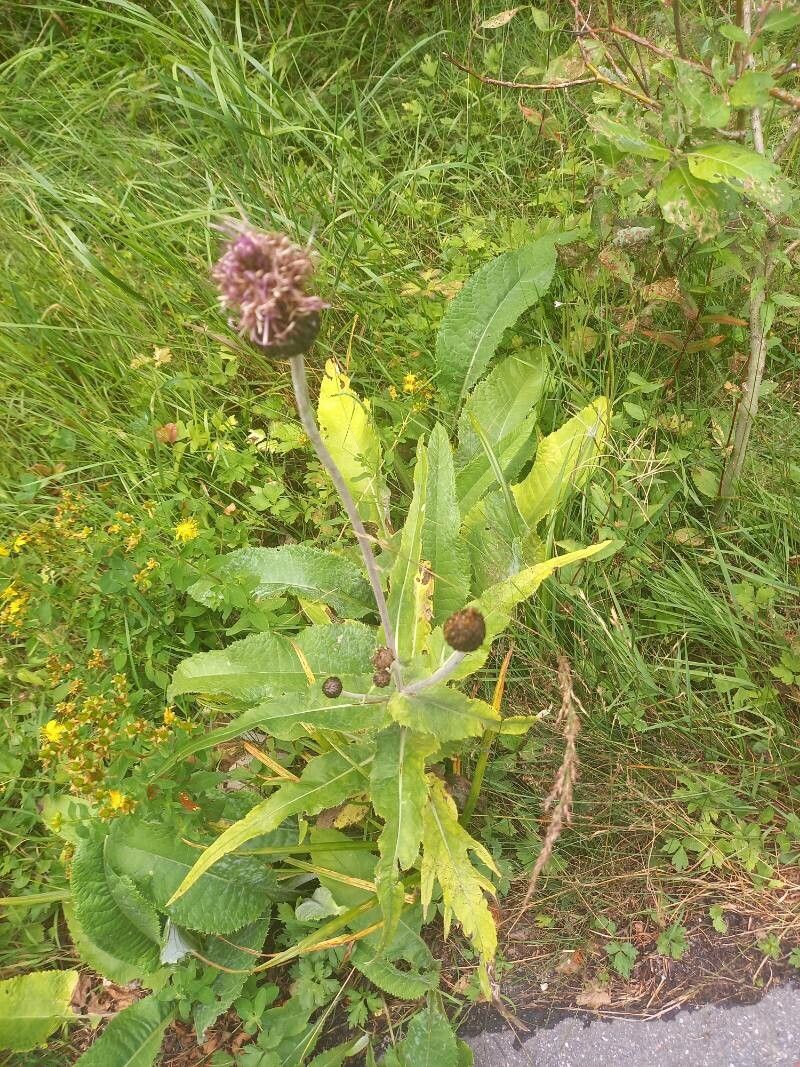
Oh, hello there! Pull up a chair and let’s chat about Cirsium heterophyllum. If you’re anything like me, you’ve probably fallen for its charm – those lovely, showy thistle blooms, often a delightful shade of pink or purple, are a magnet for pollinators. And the foliage? Often a beautiful silver-green, adding texture even when it’s not in flower. Growing more of these beauties from existing plants is not only a wonderful way to fill your garden without breaking the bank, but it’s also incredibly satisfying. Some folks find propagating thistles a bit daunting, but I promise, once you get the hang of it, Cirsium heterophyllum is quite forgiving.
The Best Time to Start
For the highest success rate, I always aim to propagate Cirsium heterophyllum in late spring or early summer. This is when the plant is actively growing and has plenty of energy to put into developing new roots. You’re looking for stems that are a good size, but not yet flowering. If you miss this window, don’t despair! You can sometimes get away with taking cuttings in early autumn, but be prepared for a slightly slower rooting process.
Supplies You’ll Need
Before we dig in, let’s gather our toolkit. Having everything ready makes the whole process smoother:
- Sharp Pruning Shears or a Craft Knife: For clean cuts that heal well.
- Rooting Hormone (Optional but Recommended): A little sprinkle can work wonders for encouraging root development.
- Well-Draining Potting Mix: I like to use a 50/50 blend of seed starting mix and perlite. This ensures good aeration and prevents waterlogging.
- Small Pots or Trays: About 3-4 inches is usually a good size. Make sure they have drainage holes!
- Plastic Bags or a Propagator Lid: To create a humid environment.
- Labels and a Permanent Marker: To keep track of what you’ve planted and when.
- Watering Can with a Fine Rose or a Spray Bottle: For gentle watering.
Propagation Methods
Cirsium heterophyllum is best propagated by division or stem cuttings. I find division to be incredibly straightforward and rewarding, especially in spring.
Method 1: Division (My Favorite!)
This is like giving your established Cirsium a little rejuvenation.
- Gently Excavate: In early spring, before strong growth begins, carefully dig around the root ball of your mature plant using a fork or trowel. You don’t need to lift the entire plant out if it’s large, just expose enough of the root structure to work with.
- Inspect and Separate: Look for healthy sections of the root system that have shoots or buds attached. You can often gently pull these sections apart with your hands. If a division is stubborn, use your clean shears or knife to cut through the root.
- Replant Immediately: Pot each division into its new home using that well-draining mix I mentioned. Ensure the crown (where the stem meets the roots) is at the soil surface.
- Water Well: Give them a good watering to settle the soil.
Method 2: Stem Cuttings
This method is perfect for increasing your plant numbers when you have healthy, non-flowering shoots.
- Take Your Cuttings: In late spring or early summer, select healthy, non-flowering stems that are about 4-6 inches long. Make a clean cut just below a leaf node (where a leaf attaches to the stem).
- Prepare the Cuttings: Remove the lower leaves, leaving only the top two or three. This prevents them from rotting in the soil. If your cuttings are a bit floppy, you can gently trim off some of the larger remaining leaves.
- Apply Rooting Hormone (If Using): Dip the cut end of each stem into rooting hormone powder. Tap off any excess.
- Plant Them Up: Fill your small pots with your prepared, moistened potting mix. Make a hole with your finger or a pencil, and carefully insert the cut end of the stem, ensuring it touches the bottom of the hole. Gently firm the soil around the cutting.
- Create Humidity: Water the soil lightly. Then, cover the pot with a plastic bag or place it in a propagator. This creates a humid microclimate, which is crucial for cuttings to root. Ensure the plastic doesn’t touch the leaves if possible.
The “Secret Sauce” (Pro Tips)
Sometimes, it’s the little things that make all the difference!
- Don’t Overwater: This is probably the most common mistake. Soggy soil is a fast track to rot. I always water when the top inch of soil feels dry to the touch, and I always use pots with excellent drainage.
- Bottom Heat is Your Friend: For stem cuttings, a little gentleness from below really speeds things up. Placing your pots on a heat mat designed for propagation can significantly reduce rooting time and increase success.
- Patience is a Virtue (and a Requirement!): Don’t be tempted to tug on your cuttings to check for roots. It can damage delicate new growth. For divisions, you’ll see new growth appearing relatively quickly. For cuttings, it can take several weeks to a couple of months before you see new growth, which is a good sign of rooting.
Aftercare & Troubleshooting
Once your divisions are planted or your cuttings show signs of new growth, it’s time for a bit of tender loving care.
- Gradual Acclimation: If you’ve used a plastic bag or propagator, start gradually removing it over a few days to let your new plants get used to the ambient humidity.
- Light and Water: Place your newly potted plants in a bright location but out of direct, scorching sunlight. Keep the soil consistently moist but not waterlogged.
- Troubleshooting: The most common issue you’ll encounter is rot. If you see a cutting turning brown and mushy at the base, it’s likely rotted. Remove it immediately to prevent it from affecting others. Overwatering or poor drainage are usually the culprits here. If your cuttings simply refuse to root, it could be due to a lack of humidity, insufficient light, or taking the cuttings at the wrong time.
A Little Encouragement to Close
Propagating Cirsium heterophyllum is a journey, and like any garden endeavor, there’s a learning curve. Don’t be discouraged if your first attempt isn’t perfect. Enjoy the process, celebrate every tiny new leaf, and cherish the satisfaction of creating more beauty for your garden. Happy propagating!
Resource:
https://identify.plantnet.org/k-world-flora/species/Cirsium%20heterophyllum%20(L.)%20Hill/data