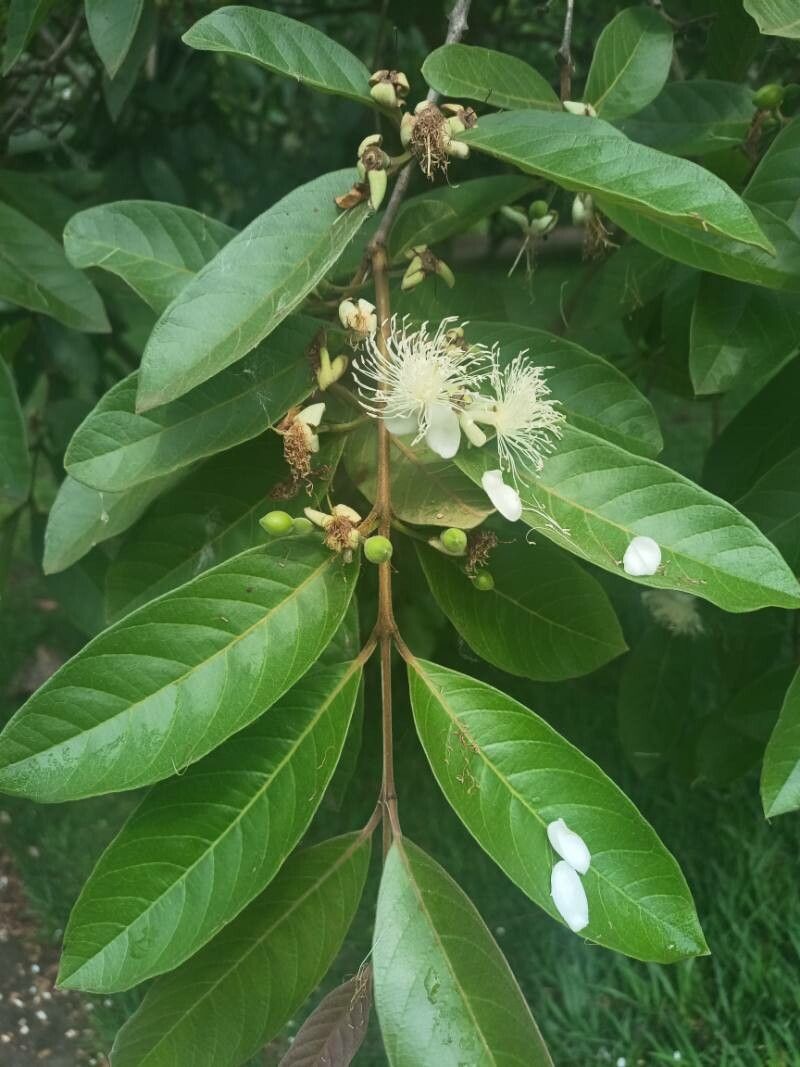
Oh, hello there! Pull up a chair and let’s chat about one of my favorite garden companions: Campomanesia adamantium, or as some of us affectionately call it, the White Guava. If you’ve ever had the pleasure of tasting its sweet, slightly tart fruits, or admiring its delicate white blossoms, you know it’s a treasure. Propagating this beauty is not only rewarding, but it’s a wonderful way to share its delights with friends or simply expand your own edible wonderland. Now, for you beginners out there, I’d say Campomanesia adamantium falls into the “moderately easy” category. It’s not as foolproof as, say, mint, but with a little patience and the right approach, you’ll be celebrating success in no time.
The Best Time to Start
Timing is everything, isn’t it? For Campomanesia adamantium, the absolute best time to begin your propagation adventure is during its active growing season. Think late spring and throughout the summer. This is when the plant has plenty of energy to put into developing new roots. You’re looking for stems that are semi-hardwood, meaning they are no longer brand-new and floppy but haven’t become completely woody and rigid. A gentle bend test is your friend here – it should snap cleanly, not bend limply.
Supplies You’ll Need
Gathering your tools beforehand makes the whole process so much smoother. Here’s what I always have on hand:
- Sharp Pruning Shears or a Craft Knife: For clean cuts that heal well.
- A Well-Draining Potting Mix: I often use a blend of equal parts peat moss, perlite, and coarse sand. Some people swear by a specific commercial seedling mix, which is fine too!
- Rooting Hormone: A powder or gel will significantly boost your chances.
- Small Pots or Seedling Trays: With drainage holes, of course!
- A Clear Plastic Bag or Dome: To create a humid microclimate.
- Watering Can or Spray Bottle: For gentle watering.
- Labels: To keep track of what you’ve planted and when!
Propagation Methods
While you can try starting from seed, stem cuttings are generally the most reliable and quickest way to propagate Campomanesia adamantium.
Stem Cuttings:
- Prepare Your Cuttings: Start by selecting healthy, non-flowering stems from your mature plant. Using your clean shears or knife, take cuttings that are about 4-6 inches long. Make your cut just below a leaf node. These nodes are where new roots are most likely to form.
- Remove Lower Leaves: Gently strip off the leaves from the bottom half of the cutting. This prevents them from rotting in the soil and also reduces moisture loss. Leave 2-4 leaves at the top.
- Apply Rooting Hormone: Dip the cut end of each stem into your rooting hormone, coating it generously.
- Plant Your Cuttings: Fill your pots or trays with your prepared potting mix, moisten it thoroughly, and then make a small hole with a pencil or your finger. Insert the cutting into the hole, firming the soil gently around it.
- Create a Humid Environment: Water the soil lightly again. Then, cover the pot with a clear plastic bag, securing it with a rubber band or placing it inside a larger plastic bag, or use a clear propagation dome. This traps moisture, creating the humid environment your cuttings desperately need to form roots before they dry out.
- Provide Bright, Indirect Light: Place your cuttings in a spot that receives bright, indirect light. Avoid direct sun, which can scorch the delicate leaves.
The “Secret Sauce” (Pro Tips)
After years of coaxing plants to grow, you pick up a few tricks. Here are a couple that have made a big difference for me with Campomanesia adamantium:
- Bottom Heat is Your Best Friend: If you have space, consider placing your cuttings on a heat mat. This warmth from below encourages root development much faster than just ambient room temperature. It really gives them that extra oomph to get going.
- Don’t Over-Water, But Keep it Consistently Moist: This is a delicate dance. You don’t want your cuttings sitting in soggy soil, as that leads to rot. But you also don’t want them drying out. Aim for the soil to be consistently moist but not waterlogged. I like to check it by gently pressing the soil – if it springs back and feels damp, it’s good. If water drips out, you’ve gone too far.
Aftercare & Troubleshooting
Once you start seeing roots! Oh, that’s such a happy moment. You can gently tug on a cutting; if it resists, you’ve got roots. At this point, you can carefully transplant your new baby into its own small pot. Continue to keep it in bright, indirect light and consistently moist soil. As it grows, you can gradually introduce it to more direct sunlight.
Now, for the not-so-fun part: troubleshooting. The most common foe is rot. If your cuttings start to look black and mushy at the base, or if the leaves turn yellow and fall off despite your best efforts, it’s likely rot. This usually points to too much moisture and not enough air circulation. If it’s a widespread issue, it might be time to adjust your watering or consider improving your soil’s drainage. Don’t be discouraged – every gardener experiences setbacks!
A Encouraging Closing
Growing new plants is a journey, and Campomanesia adamantium is a delightful companion for that journey. Be patient with your cuttings. Some will take root quickly, while others might take a bit longer. Celebrate every little sign of progress. The joy of nurturing a new life from a simple cutting is truly special. Happy growing!
Resource: