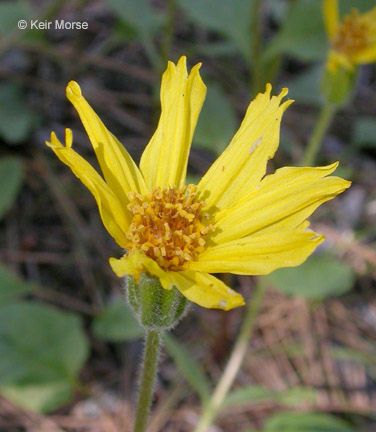
Well, hello there, fellow plant enthusiasts! I’m so excited to chat with you today about a truly special bloom: Arnica cernua. If you haven’t met it yet, imagine cheerful, daisy-like flowers, often a sunny yellow or rich orange, nodding gracefully on slender stems. They’re just bursting with life and radiate a certain wild beauty that’s simply irresistible. Propagating them yourself? That’s where the real magic happens, and trust me, it’s a journey well worth taking. Now, I won’t sugarcoat it – Arnica can be a bit particular, so it might lean towards the intermediate side for absolute beginners, but with a little guidance, you’ll be a pro in no time!
The Best Time to Start
My tried-and-true advice for Arnica? Spring, hands down. As the days begin to lengthen and the soil starts to warm up, that’s when the plant’s energy is surging. It’s the perfect moment to take cuttings or divide established clumps. Aim for early to mid-spring, before the plant gets too stressed by summer heat or before it puts all its energy into flowering.
Supplies You’ll Need
Gathering your tools is part of the fun! Here’s what I always have on hand:
- Sharp pruning shears or a clean craft knife: For making those precise cuts.
- Sterilized pots or trays: To prevent any nasty diseases. Small
4-inch pots work great for cuttings. - A good propagating mix: I like a blend of equal parts perlite and peat moss or coco coir. It needs to be well-draining, that’s key!
- Rooting hormone (optional but recommended): This gives your cuttings a little boost. Look for one with a fungicidal component.
- A spray bottle: For gentle misting.
- A clear plastic bag or a propagator lid: To create a humid environment.
- Labels or markers: To keep track of your treasures!
Propagation Methods
Arnica cernua can be propagated in a couple of reliable ways. Let’s dive in:
Stem Cuttings
This is my go-to for increasing my Arnica population.
- Take the cuttings: In spring, select healthy, non-flowering shoots. Look for stems that are about 4-6 inches long. Use your sharp shears or knife to make a clean cut just below a leaf node (where a leaf meets the stem).
- Prepare the cuttings: Gently remove the lower leaves from the cutting, leaving just a couple at the top. If your cuttings are very long, you can even cut them in half, ensuring each piece has at least one leaf node.
- Apply rooting hormone: Dip the cut end of each cutting into your rooting hormone powder. Tap off any excess.
- Plant the cuttings: Fill your pots with your propagating mix. Make a small hole with a pencil or your finger and insert the cutting, ensuring the leaf nodes are buried. Gently firm the soil around the base.
- Create humidity: Water the soil gently until it’s moist but not soggy. Cover the pot with a clear plastic bag or place it in a propagator lid. This traps moisture and creates that essential humid environment for rooting.
Division
If you have a mature Arnica plant, division is a fantastic way to get more plants and refresh your existing one.
- Prepare to dig: Water your Arnica plant well a day or two before you plan to divide it. This makes the soil easier to work with.
- Lift the plant: Carefully dig around the base of the plant and gently lift the entire root ball from the ground or pot.
- Separate the clumps: You can use your hands or a clean trowel to gently tease apart the root ball into smaller sections. Aim for divisions that have plenty of healthy roots and a few leafy shoots. If the roots are very tangled, a sharp knife or spade can help.
- Replant: Immediately replant the divisions into prepared pots or garden beds. Water them in well.
The “Secret Sauce” (Pro Tips)
Here are a few little tricks I’ve learned over the years that really make a difference with Arnica:
- Don’t let those leaves touch the water! If you’re doing a quick dip in water before hormone, or even if you’re misting them, make sure the leaves aren’t sitting in stagnant water. It’s a recipe for rot. Only bury those leaf nodes!
- Bottom heat is your friend! Arnica cuttings absolutely love a little warmth from beneath. Placing your propagation tray or pots on a heated propagator mat can significantly speed up root development. It mimics that lovely spring soil warmth.
- Patience is a virtue, especially with Arnica. These aren’t the fastest rooters. You might not see much activity for several weeks. Resist the urge to fuss too much!
Aftercare & Troubleshooting
Once your cuttings have been planted, find them a bright spot but out of direct, harsh sunlight. Keep the soil consistently moist but not waterlogged. A gentle misting with your spray bottle every day or two is usually enough.
You’ll know your cuttings are happy when you see new growth appearing. This is a good sign that roots are forming! Gently tug on a cutting – if there’s resistance, you’ve got roots! This typically takes 4-8 weeks.
The most common issue you’ll encounter is rot. If your cuttings turn black and mushy, it’s usually a sign of too much moisture and not enough air circulation. Ensure your potting mix is free-draining and don’t let them sit in standing water. If you see any mold on the soil surface, gently scrape it off and increase air circulation slightly (a little fan on low can help).
A Encouraging Closing
Propagating Arnica cernua is such a rewarding experience. It’s a chance to connect with nature, create more of these beautiful blooms for your garden or to share, and to learn more about the plant’s life cycle. Be patient with the process, celebrate the small victories, and most importantly, enjoy the journey of nurturing these little plants into being. Happy growing!
Resource:
https://identify.plantnet.org/k-world-flora/species/Arnica%20cernua%20Howell/data