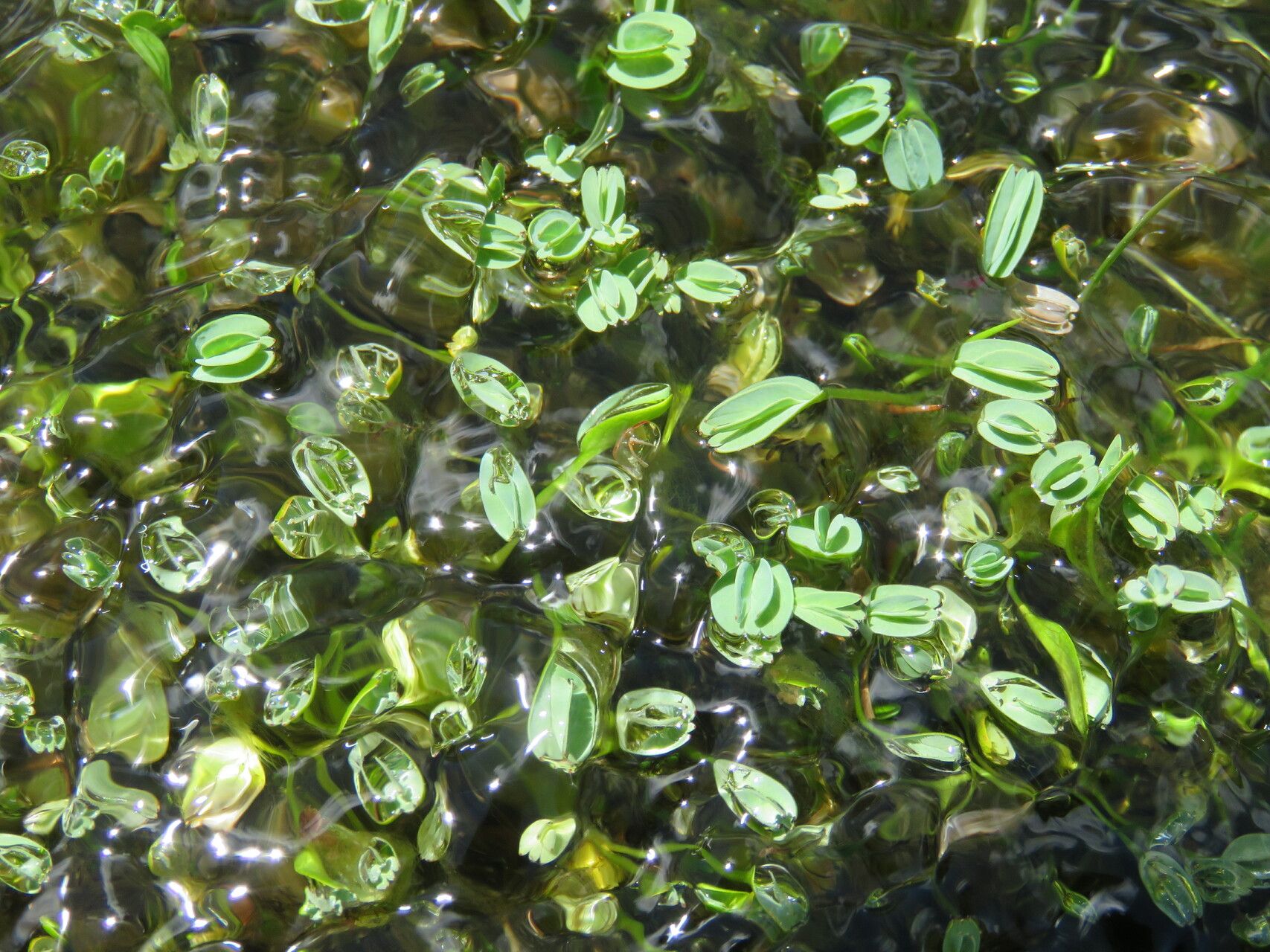
Oh, Alchemilla diplophylla! Isn’t it just a gem? Sometimes called “Lady’s Mantle,” though there are a few plants that share that name, this particular one has these wonderfully ruffled, soft green leaves that catch dew like tiny jewels. It’s just so cheerful, isn’t it? And the best part? It’s incredibly rewarding to create more of these beauties from your existing plants. If you’re new to plant propagation, you’ll be happy to know that Alchemilla diplophylla is generally a very forgiving plant to work with. I’d say it’s a great one to start with!
The Best Time to Start
For Alchemilla diplophylla, spring is absolutely your golden ticket. As the plant starts waking up from its winter rest and puts on new, vigorous growth, you’ll find it’s the most eager to root. Aim for late spring or early summer, just after it’s finished its main flush of blooming. This gives you plenty of growing season for your new plants to establish themselves.
Supplies You’ll Need
Here’s what I usually gather before I start:
- Sharp Pruning Shears or a Craft Knife: For clean cuts.
- Small Pots or Seed Trays: Clean ones are a must!
- Well-Draining Potting Mix: I love a mix of peat moss, perlite, and a bit of compost. Or, a 50/50 mix of potting soil and perlite works wonders too.
- Rooting Hormone (Optional, but helpful): Especially for stem cuttings.
- Watering Can with a Fine Rose: To avoid disturbing your cuttings.
- Plastic Bags or a Mini Greenhouse: To create a humid environment.
Propagation Methods
Alchemilla diplophylla is quite happy to be propagated by a couple of simple methods. I usually go for division and stem cuttings.
Division: This is my go-to method, especially in spring or fall.
- Gently dig up your Alchemilla diplophylla plant. You can do this carefully with your hands or a trowel.
- Shake off excess soil so you can clearly see the root ball and where new shoots are emerging.
- Using your hands or clean secateurs, divide the root ball into smaller sections. Aim for sections that have both roots and several healthy shoots or leaves. Don’t be afraid to gently pull them apart.
- Replant these divisions into your prepared pots or directly back into the garden. Give them a good watering.
Stem Cuttings: This is fantastic for getting more plants from a healthy, established specimen.
- In late spring or early summer, select a healthy stem that isn’t flowering. Look for new growth that’s still somewhat soft.
- Using your sharp shears or knife, take a cutting that’s about 4-6 inches long. Make the cut just below a leaf node (where a leaf attaches to the stem).
- Remove the lower leaves, leaving just a couple at the top. This helps prevent rot.
- If you’re using rooting hormone, dip the cut end into it.
- Insert the cutting into your prepared potting mix, making sure the leaf nodes you removed are buried. Firm the soil gently around it.
- Water gently.
- Cover the pot with a plastic bag or place it in a mini greenhouse. This keeps humidity high, which is crucial for cuttings to root.
The “Secret Sauce” (Pro Tips)
Here are a couple of little tricks I’ve picked up over the years:
- Don’t Overwater Cuttings: This is a big one! While they need moisture, soggy soil is a fast track to rot. Let the very top of the soil dry out slightly between waterings. If you’re doing water propagation (though I find soil is best for this one), ensure no leaves are touching the water. They’ll rot right away.
- Bottom Heat is Your Friend: For stem cuttings, placing the pots on a plant heating mat can significantly speed up root development. It mimics the warmth of spring soil and really encourages those roots to get going.
Aftercare & Troubleshooting
Once your divisions or cuttings have taken root (you’ll see new growth after a few weeks, or gently tugging on a cutting will reveal resistance), it’s time to treat them like young plants.
Gradually acclimate your cuttings to normal garden conditions by opening the plastic bag a little more each day over a week. Water them regularly but allow the top inch of soil to dry out.
The most common issue you’ll encounter is rot. If you see your cuttings turning mushy or black at the soil line, it means they’re getting too much moisture and not enough air circulation. Pull out any rotten bits immediately and try to reduce watering. Cleanliness is key here – always use clean pots and tools to prevent introducing pathogens.
A Encouraging Closing
See? It’s really quite straightforward! Propagation is such a wonderful way to connect with your plants and expand your garden without spending a fortune. Be patient, observe your new little plants, and don’t be discouraged if every single attempt isn’t a roaring success. That’s just part of the learning process, and I promise, the joy of nurturing a brand new Alchemilla diplophylla from a small piece is absolutely worth it. Happy gardening!
Resource:
https://identify.plantnet.org/k-world-flora/species/Alchemilla%20diplophylla%20Diels/data