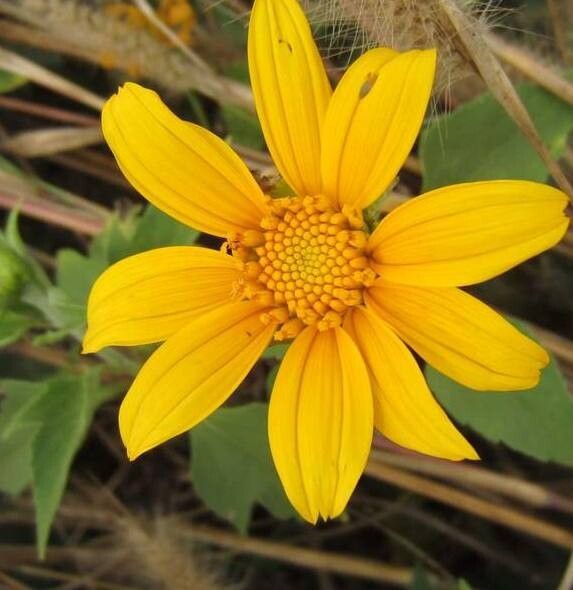
Hey there, fellow garden enthusiasts! Today, I want to talk about a plant that truly shines in my garden, and that’s Tithonia diversifolia, or Mexican Sunflower. Those vibrant, fiery orange blooms are just showstoppers, aren’t they? They draw in the pollinators like you wouldn’t believe, and they bring such a cheerful burst of color. And the best part? Propagating this beauty is surprisingly rewarding, and honestly, quite achievable for most gardeners. Even if you’re just starting out, you’ll find this plant to be a forgiving and generous friend.
The Best Time to Start
For the highest chances of success, I always recommend starting your Tithonia diversifolia propagation in late spring or early summer. This is when the plant is actively growing and has plenty of energy to put into developing new roots. You’ll be looking for stems that are not too soft (like brand new growth) and not too woody (like you’d find on an older, established branch). Think of a stem that’s firm but still pliable.
Supplies You’ll Need
Gathering your tools beforehand makes the whole process smoother. Here’s what you’ll want to have on hand:
- Sharp Pruning Shears or a Clean Knife: For making clean cuts. This is crucial to avoid crushing the stem.
- Rooting Hormone (Optional but Recommended): This little magic powder really gives your cuttings a boost.
- A Light, Well-Draining Potting Mix: I love a mix of equal parts peat moss or coco coir, perlite, and a bit of compost. This ensures good aeration and prevents waterlogging.
- Small Pots or Trays: Anything that will hold your cuttings and the soil, about 4-6 inches deep is usually good.
- A Plastic Bag or Clear Dome: To create a mini-greenhouse effect.
- Watering Can or Spray Bottle: For gentle watering.
Propagation Methods
Mexican Sunflowers are wonderfully amenable to a few different methods, but my absolute favorite and most reliable for beginners is stem cuttings.
Stem Cuttings:
- Select Your Cuttings: Head out to your healthy Tithonia diversifolia plant. Look for stems that are a good pencil-thick and about 6-8 inches long. You want to include at least two sets of leaves on each cutting.
- Make the Cut: Using your sharp pruning shears or knife, make a clean cut just below a leaf node (where a leaf attaches to the stem). This is where the magic of rooting often happens.
- Prepare the Cuttings: Gently remove the lower leaves from the cutting, leaving just one or two sets of leaves at the top. You can also trim the top leaves in half if they are very large. This reduces water loss.
- Apply Rooting Hormone (If Using): Dip the cut end of the stem into your rooting hormone, tapping off any excess.
- Plant Your Cuttings: Fill your small pots or trays with your prepared potting mix. Make a small hole in the center of the soil with your finger or a pencil. Carefully insert the cut end of the cutting into the hole, ensuring it makes good contact with the soil. Gently firm the soil around the stem.
- Water Gently: Water thoroughly but gently. You want the soil to be moist but not soggy.
- Create a Humid Environment: Cover the pot or tray with a plastic bag or clear dome. This will trap humidity, which is essential for cuttings to root.
- Placement: Place the pots in a bright location out of direct sunlight. Too much sun can scorch delicate new cuttings.
The “Secret Sauce” (Pro Tips)
Now for a couple of things I’ve learned over the years that can really give you an edge:
One of my biggest tricks for stem cuttings is don’t let the leaves touch the water in the pot. If you’re using water propagation (which can also work!), this is crucial. When leaves sit in water for too long, they tend to rot. Keep them elevated. For soil propagation, this means making sure your soil is deep enough so the leaves aren’t resting on the surface.
Another thing that really speeds things up, especially in cooler weather, is providing bottom heat. You can achieve this by placing your pots on a seed-starting heat mat. This gentle warmth encourages root development from below, giving your cuttings that extra “oomph” to get going.
Aftercare & Troubleshooting
Once your cuttings have been planted, the key is consistent moisture and humidity. Check the soil regularly. You want it to feel consistently moist, like a wrung-out sponge. If it starts to feel dry, water gently.
You’ll know your cuttings are rooting when you see new leaf growth or feel a slight resistance when you gently tug on the stem. This usually takes anywhere from 3 to 6 weeks, sometimes a bit longer.
The most common problem you’ll encounter is rot. This usually happens if the soil is too wet and the humidity is too high without enough air circulation. If you see a cutting turning black or mushy, it’s best to discard it to prevent it from affecting others. You can also try removing the plastic bag for a few hours each day to allow for some air exchange, especially if you notice condensation building up excessively.
A Encouraging Closing
Remember, gardening is a journey, and propagation is a wonderful part of that. Don’t get discouraged if not every cutting takes. Each attempt is a learning experience! Be patient, nurture your little plant babies, and soon you’ll be rewarded with beautiful Mexican Sunflowers to share with friends or to brighten your own garden. Happy propagating!
Resource:
https://identify.plantnet.org/k-world-flora/species/Tithonia%20diversifolia%20(Hemsl.)%20A.Gray/data