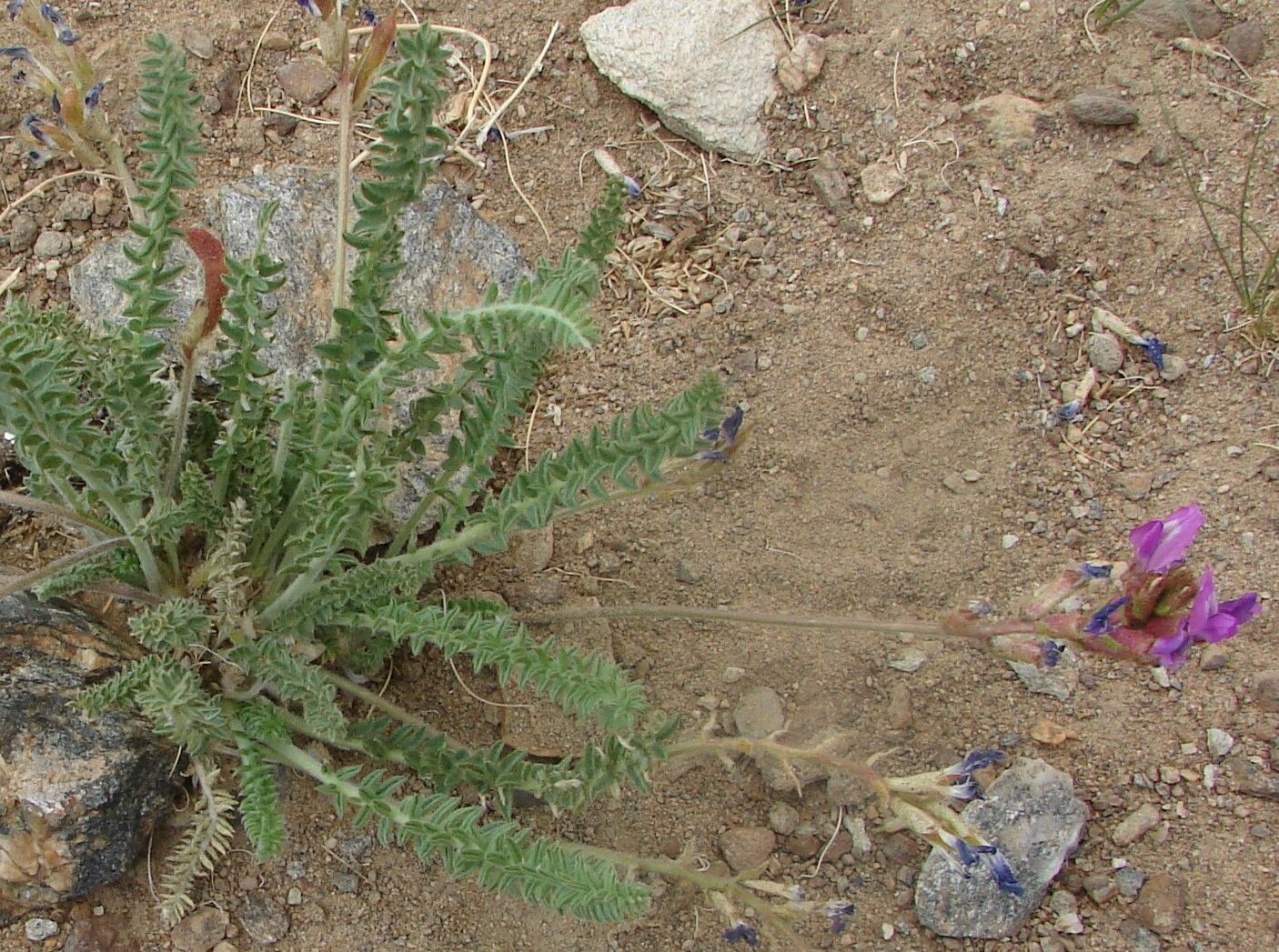
Hello there, fellow plant enthusiasts! I’ve got a real gem to chat about today: Oxytropis microphylla. If you’re looking for a plant that brings a touch of delicate beauty and a whole lot of charm to your garden, this might just be it. Its tiny, intricate leaves and often vibrant blooms are utterly captivating. And the best part? Bringing new ones into existence through propagation is a truly rewarding experience. Now, while Oxytropis microphylla isn’t a plant that throws a tantrum if things aren’t perfect, it does appreciate a little know-how. For beginners, it’s a fantastic learning opportunity – a chance to dip your toes into vegetative propagation without too much stress.
The Best Time to Start
My personal favorite time to get stuck into propagating Oxytropis microphylla is late spring to early summer. This is when the plant is actively growing and has plenty of energy to put into new root development. I’m looking for young, vigorous shoots that haven’t yet flowered. Think of it as getting cuttings from a teenager – full of life and ready to take on the world!
Supplies You’ll Need
Before we get our hands dirty, let’s gather our tools. Here’s what I usually have on hand:
- Sharp, clean pruning shears or a sharp knife: For taking clean cuts.
- Rooting hormone (optional but recommended): This really gives your cuttings a boost. Look for one with a good balance of auxins.
- A well-draining potting mix: I often use a 50/50 blend of perlite and peat moss, or a good quality seed-starting mix. You want something that won’t hold too much moisture.
- Small pots or trays: Clean, with drainage holes!
- Plastic bags or a propagator: To create a humid environment.
- Watering can with a fine rose: For gentle watering.
- Labels and a permanent marker: To keep track of what you’ve propagated.
Propagation Methods
Oxytropis microphylla can be propagated quite successfully from stem cuttings. This is my go-to method for this lovely plant.
- Take Your Cuttings: With your clean shears, select a healthy, non-flowering stem. Aim for cuttings that are about 3-4 inches long. Make a clean cut just below a leaf node (where a leaf attaches to the stem). This is where the magic happens – this is where roots are most likely to form.
- Prepare the Cuttings: Gently remove the lower leaves, leaving only the top 1-2 sets. This reduces moisture loss. If your cuttings are a bit floppy, you can trim off any excess leaves to help them conserve energy.
- Apply Rooting Hormone (Optional): Dip the cut end of each cutting into your rooting hormone powder or gel. Tap off any excess.
- Plant the Cuttings: Fill your small pots or trays with your prepared potting mix. Moisten it thoroughly. Now, make a hole in the soil with a pencil or your finger and carefully insert the cutting, ensuring the leaf node is buried. Gently firm the soil around the stem.
- Create a Humid Environment: Water the soil gently. Then, cover the pots with a clear plastic bag or place them in a propagator. Make sure the plastic doesn’t touch the leaves too much. This creates a mini greenhouse effect, keeping the humidity high, which is crucial for cuttings to root.
The “Secret Sauce” (Pro Tips)
Here are a couple of things I’ve learned over the years that make a real difference:
First, don’t let the leaves touch standing water. If you’re doing water propagation (which I generally avoid for Oxytropis but some people swear by it), make sure only the stem is submerged. Leaves sitting in water are a fast track to rot. Second, consider some gentle bottom heat. If you have a seedling heat mat, placing your pots on it can significantly speed up root formation. It mimics the warmth of spring soil and gives those stubborn root cells a gentle nudge.
Aftercare & Troubleshooting
Once your cuttings are planted, keep them in a bright, indirect light location. Avoid direct sun, which can scorch delicate new growth. Keep the soil consistently moist but not soggy. You can gently mist the leaves now and then if the humidity in your home is very low.
The exciting part is checking for roots. After a few weeks, you can give a cutting a gentle tug. If you feel resistance, congratulations! Roots have formed. You can then gradually acclimatize your new plants to normal room humidity by opening the plastic bag a little more each day over a week.
Now, what if things go wrong? The most common culprit is rot. If your cutting turns mushy or black, it’s succumbed. This usually happens due to overwatering or poor air circulation. Ensure your potting mix is well-draining and that you’re not drowning your cuttings. Sometimes, a cutting just doesn’t take, and that’s okay! Nature has its own way, and not every attempt will be successful. Don’t get discouraged.
A Encouraging Closing
Propagating Oxytropis microphylla is a delightful journey into creating more beauty for your garden. It requires a little patience, a touch of observation, and a whole lot of love. Don’t be afraid to experiment, learn from each attempt, and most importantly, enjoy the process. Happy propagating!
Resource:
https://identify.plantnet.org/k-world-flora/species/Oxytropis%20microphylla%20(Pall.)%20DC./data