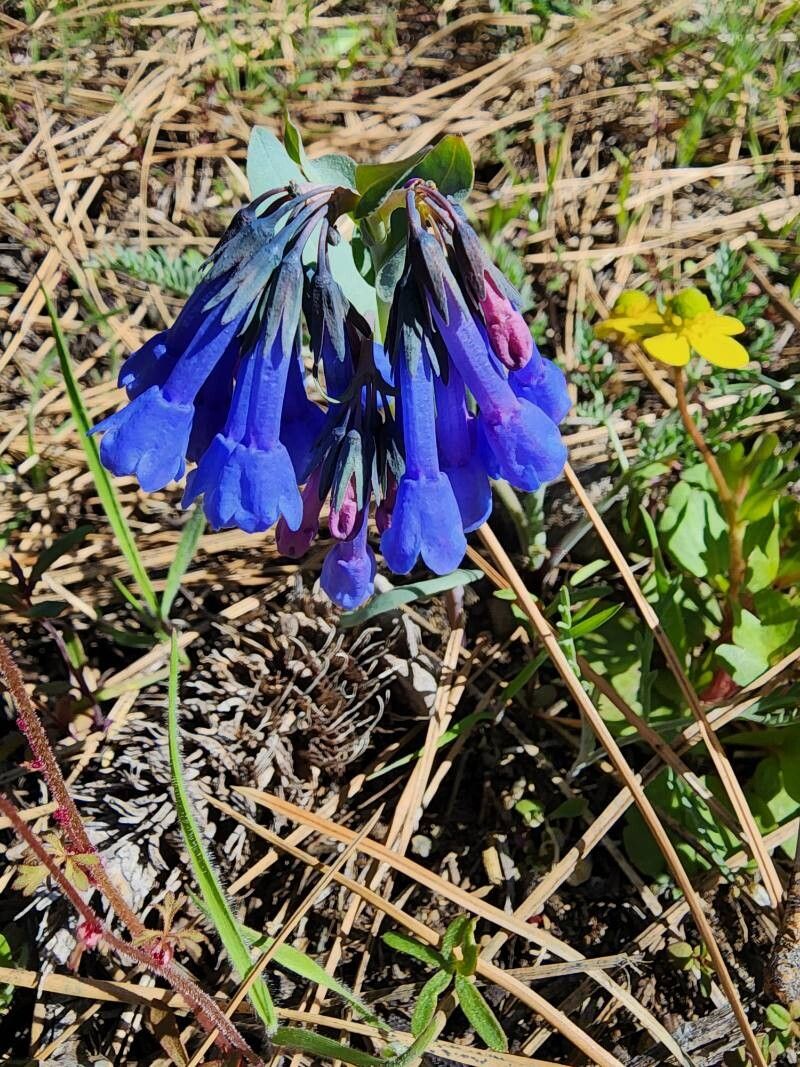
Ah, Mertensia longiflora! My dear gardening friends, if you haven’t met this beauty, you’re in for a treat. Known for its enchanting, bell-shaped blue flowers that just seem to whisper of spring, it’s a plant that truly brightens up the garden. Propagating it is a wonderfully rewarding experience, like coaxing new life from a beloved friend. Now, is it a walk in the park for absolute beginners? I’d say it requires a little patience, a gentle touch, and a willingness to learn. But don’t let that deter you; that’s where I come in!
The Best Time to Start: Embrace the Dormancy
For Mertensia longiflora, the sweetest spot to begin your propagation journey is when the plant is actively dormant or just beginning to stir. This typically means late fall or very early spring, before those heavenly blue bells make their grand entrance. Think of it as catching the plant when it’s taking a well-deserved rest or just waking up – it has more energy to put into growing new roots.
Supplies You’ll Need
You won’t need a whole fancy setup, just a few trusty companions for your propagation adventure:
- A sharp, clean pair of pruning shears or a sharp knife: Essential for making clean cuts.
- Well-draining potting mix: I like a blend of peat moss, perlite, and a bit of sand. Commercial seed-starting mix can also work wonders.
- Small pots or seed trays: Clean ones are key to preventing disease.
- Rooting hormone (optional, but helpful): A powder or liquid can give your cuttings a helpful boost.
- A spray bottle: For gentle watering.
- Clear plastic bags or a propagation dome: To maintain humidity.
- A dibber or pencil: To make planting holes.
Propagation Methods: My Go-To Strategies
Mertensia longiflora is best propagated through division. While some folks might try from seed, division gives you a much higher success rate and a head start.
Division: Unveiling the Treasures
- Gently Excavate: In late fall or early spring, carefully dig up your established Mertensia clump. You want to get as much of the root system as possible without causing too much stress. A garden fork can be helpful here.
- Shake Off Excess Soil: Gently brush away most of the soil so you can clearly see the connections between the crown and the roots.
- Locate the Divisions: Look for natural breaks in the plant. You’ll often see where new shoots are emerging from the main root ball. You can also gently pull sections apart.
- Make Your Cuts (if necessary): If the divisions are tightly bound, use your clean shears or knife to carefully separate them. Aim for divisions that have at least one healthy bud or eye and a good portion of roots.
- Replant Immediately: Pot each division into its own container filled with your well-draining mix. Make sure the crown – where the roots meet the shoots – is just at or slightly below the soil surface.
- Water Gently: Give them a good, thorough watering, but avoid waterlogging.
The “Secret Sauce” (Pro Tips)
- Don’t Be Afraid of the Roots: When dividing, err on the side of caution and give each new division more roots than you think it needs. A robust root system is the secret to quick establishment.
- Think “Cool and Moist”: After dividing and replanting, keep your new Mertensias in a cool, shaded spot. They don’t want to dry out, but they also don’t want to bake in the sun while they’re getting established. A little bit of morning sun is usually fine.
- Label Everything! I know it sounds simple, but trust me, a year from now, you’ll thank yourself for knowing exactly which divisions are which.
Aftercare & Troubleshooting: Nurturing Your New Sprouts
Once your divisions are planted, the key is consistent moisture. Keep the soil consistently moist, but never soggy. If you’re using the plastic bag trick, peek under it daily to check for condensation and moisture levels.
The most common issue you’ll encounter is rot. This happens when the soil stays too wet, suffocating the roots. If you see yellowing leaves or a mushy stem base, it’s a sign of trouble. Don’t be discouraged! It often means you need to adjust your watering or ensure your potting mix is even more free-draining. Sometimes, a division might just not take, and that’s okay too. Nature has its own rhythms, and we learn with every plant we touch.
A Sweet Farewell
Propagating Mertensia longiflora is a journey of patience and observation. It’s about working with nature, not against it. Don’t be discouraged by a failed attempt; each experience teaches you something valuable. So, grab your tools, embrace the earth, and enjoy the satisfaction of watching new life unfurl. Happy gardening!
Resource:
https://identify.plantnet.org/k-world-flora/species/Mertensia%20longiflora%20Greene/data