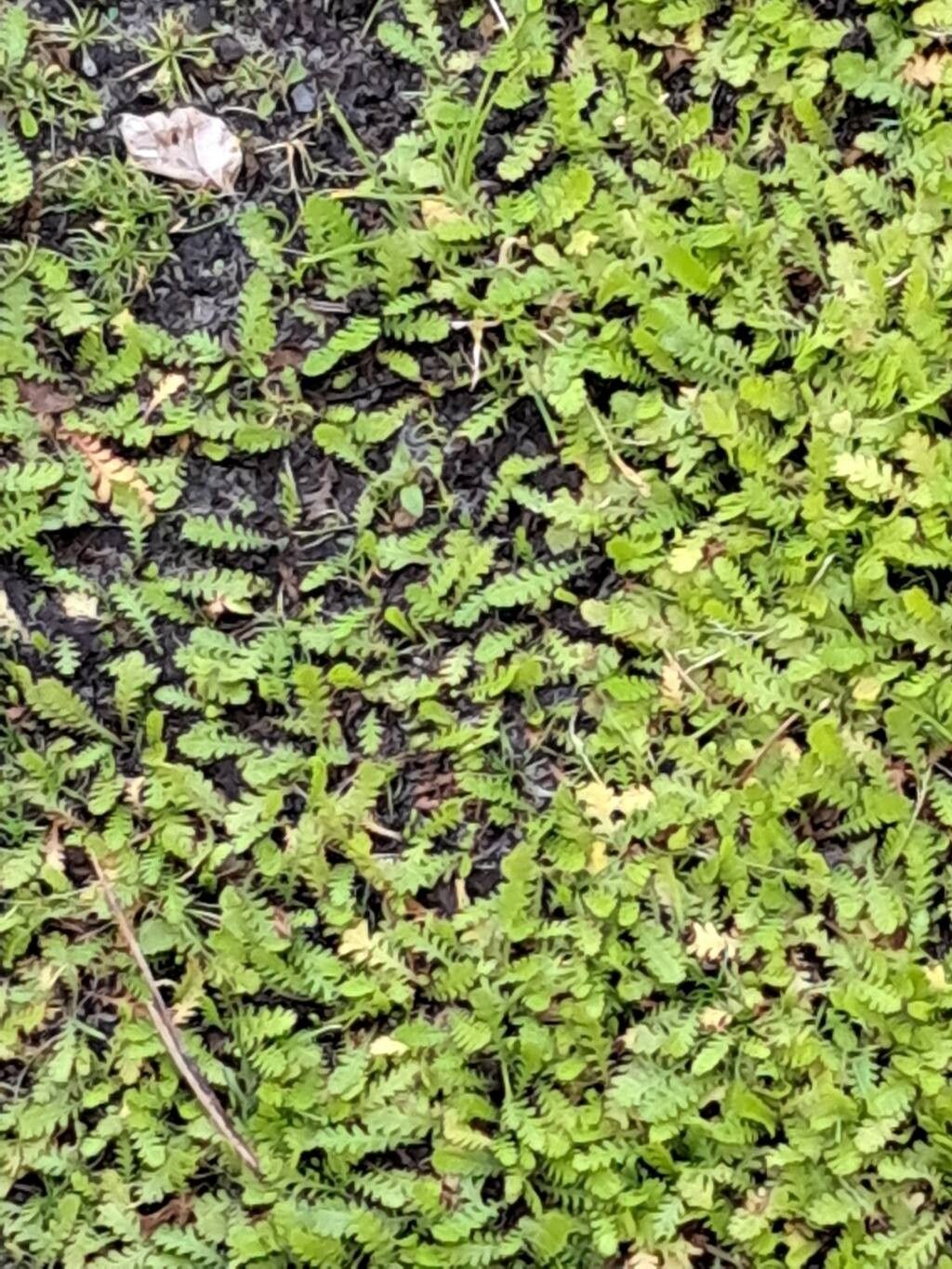
Hello green thumbs! It’s wonderful to have you here. Today, we’re diving into the delightful world of Leptinella scariosa, also known as brass buttons. If you’ve ever admired its low-growing, carpet-like habit and those tiny, brassy little flowerbuds, you might be wondering how to get more of this fascinating plant for your own garden. I’m here to tell you, propagating it is a truly rewarding endeavor, and good news – it’s not nearly as intimidating as some other plants might be! Even for beginners, it’s a fantastic way to expand your collection.
The Best Time to Start
For the most success with Leptinella scariosa, I always recommend starting in late spring or early summer. This is when the plant is actively growing, its stems are pliable, and it has the energy to push out new roots. You’ll find the cuttings are more vigorous and more likely to establish quickly.
Supplies You’ll Need
Gathering your tools before you begin makes the whole process smoother. Here’s what I usually have on hand:
- Sharp pruning shears or a clean knife: For making clean cuts.
- Rooting hormone (optional but helpful): Especially keen-edged cuttings benefit greatly.
- A well-draining potting mix: I like a mix of equal parts potting soil, perlite, and coarse sand.
- Small pots or trays: Clean containers with drainage holes are essential.
- A spray bottle: For misting to keep things humid.
- A clear plastic bag or dome: To create a mini-greenhouse effect.
Propagation Methods
Leptinella scariosa is quite forgiving, and I find two methods work exceptionally well: stem cuttings and division.
Stem Cuttings
This is my go-to method for increasing my brass button population.
- Take your cuttings: Look for healthy, non-flowering stems. Using your sharp shears or knife, take cuttings that are about 3-4 inches long. Make the cut just below a leaf node (where a leaf attaches to the stem).
- Prepare the cuttings: Gently remove the lower leaves from the cutting, leaving just a few at the very tip.
- Dip in rooting hormone (optional): If you’re using rooting hormone, dip the cut end into it. Tap off any excess.
- Insert into potting mix: Make a small hole in your prepared potting mix with your finger or a pencil. Gently insert the cutting, ensuring the lower leaf nodes are below the soil line. Firm the soil gently around the stem.
- Water and cover: Water the pot lightly to settle the soil. Then, cover the pot with a clear plastic bag or a propagator lid to maintain high humidity.
Division
If you have a mature clump of Leptinella scariosa, division is a quick and effective way to get new plants.
- Gently dig up the clump: Carefully lift the entire plant from its pot or garden bed.
- Separate the root ball: You can often gently pull the root ball apart with your hands. If it’s a bit stubborn, use a clean trowel or knife to carefully slice through it. Aim for sections that have a good number of roots and some healthy foliage.
- Replant immediately: Plant your divisions directly into new pots filled with your well-draining mix, or back into the garden, ensuring they are at the same depth they were previously growing. Water them in well.
The “Secret Sauce” (Pro Tips)
Over the years, I’ve picked up a few little tricks that really boost my success rates.
One thing I always do is to ensure no leaves are touching the potting mix on cuttings. If leaves sit in damp soil, they are much more prone to rot before they can root. Pinch them off if needed.
Also, especially if your home is on the drier side, bottom heat can make a massive difference. A simple seedling heat mat placed under your propagation trays will encourage root development much faster than ambient room temperature alone. It just gives those little roots a bit of oomph to get growing.
Aftercare & Troubleshooting
Once your cuttings have begun to root – you’ll see new growth emerging, usually within 3-4 weeks – it’s time to give them a little more attention.
- Introduce to air: Gradually acclimatize your new plants to open air by lifting the plastic bag for a few hours each day, then removing it entirely over a week or so.
- Watering: Keep the soil consistently moist but not waterlogged. Allow the surface to dry slightly between waterings.
- Light: Place your young plants in bright, indirect light. Avoid harsh, direct sun, which can scorch them.
Keep an eye out for signs of rot. If your cuttings turn yellow and mushy or develop black, soft spots, it’s usually a sign of too much moisture and not enough air circulation. If you catch it early, you might be able to salvage a healthy section by trimming away the rotted bit and replanting it in drier, fresh mix. If the entire cutting collapses, don’t despair! It happens.
A Encouraging Closing
Propagating Leptinella scariosa is a delightful journey of patience and observation. Each new little plant is a testament to your green thumb and a wonderful way to share the joy of gardening with others. Don’t be discouraged if every single cutting doesn’t make it – that’s just part of the learning process! Enjoy the gentle unfolding of new growth, and happy propagating!
Resource:
https://identify.plantnet.org/k-world-flora/species/Leptinella%20scariosa%20Cass./data