Hey there, fellow plant lovers!
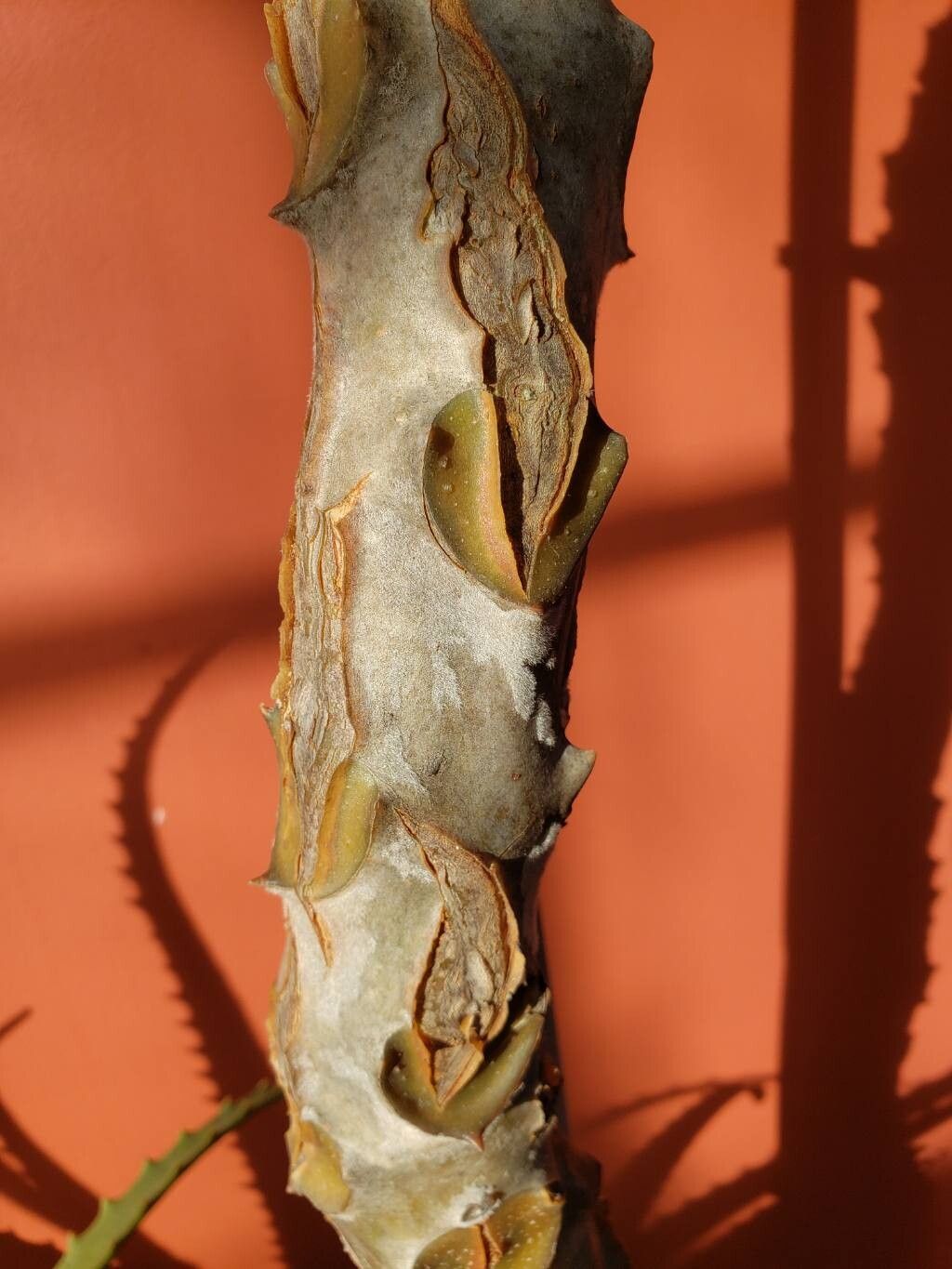
Today, we’re diving into the wonderfully fuzzy world of Kalanchoe beharensis, often called the Felt Plant or Rabbit Ear Kalanchoe. If you’ve ever admired those big, velvety leaves with their often-dramatic edges, you’re not alone! This plant has a unique texture and presence that really makes it stand out in any collection. And guess what? Propagating it is a fantastic way to multiply that beauty and share it with friends. For beginners? I’d say Kalanchoe beharensis is a pretty forgiving plant to start with, especially when it comes to taking cuttings. You’ll likely find great success!
The Best Time to Start
The absolute best time to propagate your Kalanchoe beharensis is during its active growing season. Think late spring through summer. This is when the plant has the most energy to put into developing roots and new growth. Trying to propagate in the cooler, dormant months can be a bit of a gamble; you might have to wait longer for results, or they might not take at all. So, let your plant bask in that warm sunshine, and when it’s really thriving, that’s your cue!
Supplies You’ll Need
Here’s a little kit to get your propagation station ready:
- Sharp Pruning Shears or a Clean Knife: Essential for making clean cuts to avoid damaging the plant.
- Well-Draining Potting Mix: A succulent or cactus mix is ideal. You can also create your own by mixing potting soil with perlite or pumice.
- Small Pots or Seedling Trays: Something for your new little plants to call home. Make sure they have drainage holes!
- Rooting Hormone (Optional but Recommended): This can give your cuttings a helpful boost. Look for one formulated for succulents.
- Watering Can or Spray Bottle: For gentle watering.
- Patience! (The most important ingredient!)
Propagation Methods
Kalanchoe beharensis is quite obliging, and stem cuttings are my go-to method. It’s straightforward and usually yields great results.
Stem Cuttings
- Select a Healthy Stem: Look for a mature stem that’s at least a few inches long and looks robust. Avoid any that are weak, spindly, or show signs of damage.
- Make the Cut: Using your clean shears or knife, make a clean cut just above a leaf node (where a leaf attaches to the stem). Aim for a cutting that has a few leaves on it.
- Let it Callus: This is a crucial step for succulents! Place your cuttings in a dry, bright spot, out of direct sunlight, for 2-5 days. You want the cut end to dry and form a callus. This prevents rot when you plant it. It’ll look a bit like a dry scab.
- Apply Rooting Hormone (Optional): If you’re using rooting hormone, dip the callused end into the powder or liquid. Tap off any excess.
- Plant Your Cuttings: Fill your small pots with your well-draining soil mix. Make a small hole in the center with your finger or a pencil. Insert the callused end of your cutting into the soil, ensuring it’s stable. The leaves should be well above the soil line.
- Water Gently: Give the soil a light watering. You want it to be moist, but not waterlogged. A spray bottle works well here to start.
The “Secret Sauce” (Pro Tips)
Over the years, I’ve learned a few little tricks that can make a big difference.
- Don’t Rush the Calusing! I can’t stress this enough. I’ve seen beginners get impatient and plant their cuttings before they’ve callused, only to find them rot. That dried scab is your best friend for preventing fungal issues.
- Avoid Bottom Heat, But Consider Airflow: Unlike some other propagations, Kalanchoe beharensis doesn’t usually benefit from bottom heat. However, good airflow is key. Don’t crowd your cuttings too much, and make sure the area where they are is well-ventilated. This helps the soil dry out properly between waterings and reduces the risk of rot.
- “Water Propagation” is Tricky for these Guys: While many succulents can root in water, Kalanchoe beharensis is prone to rot when its stems are submerged. If you try it, be incredibly careful to keep the leaves out of the water and change the water frequently. I much prefer the soil method for consistency.
Aftercare & Troubleshooting
Once your cuttings are planted, it’s time for a bit of patient observation.
- Watering: Wait a few days after planting before watering again. Then, water sparingly. Let the soil dry out almost completely between waterings. You’re aiming for healthy root development, not a swamp. Feel the soil with your finger; if the top inch is dry, it’s time for a drink.
- Light: Place your pots in a bright, indirect light spot. Too much direct sun can scorch tender new growth, while too little light will lead to weak, leggy stems.
- Signs of Roots: You’ll know roots have formed when you gently tug on the cutting and feel resistance. It might take anywhere from 3 weeks to a couple of months, so don’t get discouraged if it takes a while. You might also see new leaf growth emerge, which is a great sign!
Troubleshooting:
- Rotting: If your cutting turns mushy and black, it’s likely rot. This almost always comes down to too much moisture and not enough airflow or a failure to callus properly. You’ll need to discard the rotten cutting and start again, paying extra attention to those crucial steps.
- No Growth: If time passes and there’s no sign of roots or new growth, the cutting might not have taken. This could be due to insufficient light, improper watering, or simply a less-than-ideal cutting. Don’t be disheartened – just try again with a fresh one!
A Little Encouraging Closing
Propagating plants is one of gardening’s greatest joys, and watching a new life emerge from a simple stem cutting is incredibly rewarding. Be patient with your Kalanchoe beharensis. Give it the right conditions, trust the process, and soon you’ll have a whole collection of these fuzzy beauties. Happy propagating!
Resource:
https://identify.plantnet.org/k-world-flora/species/Kalanchoe%20beharensis%20Drake/data