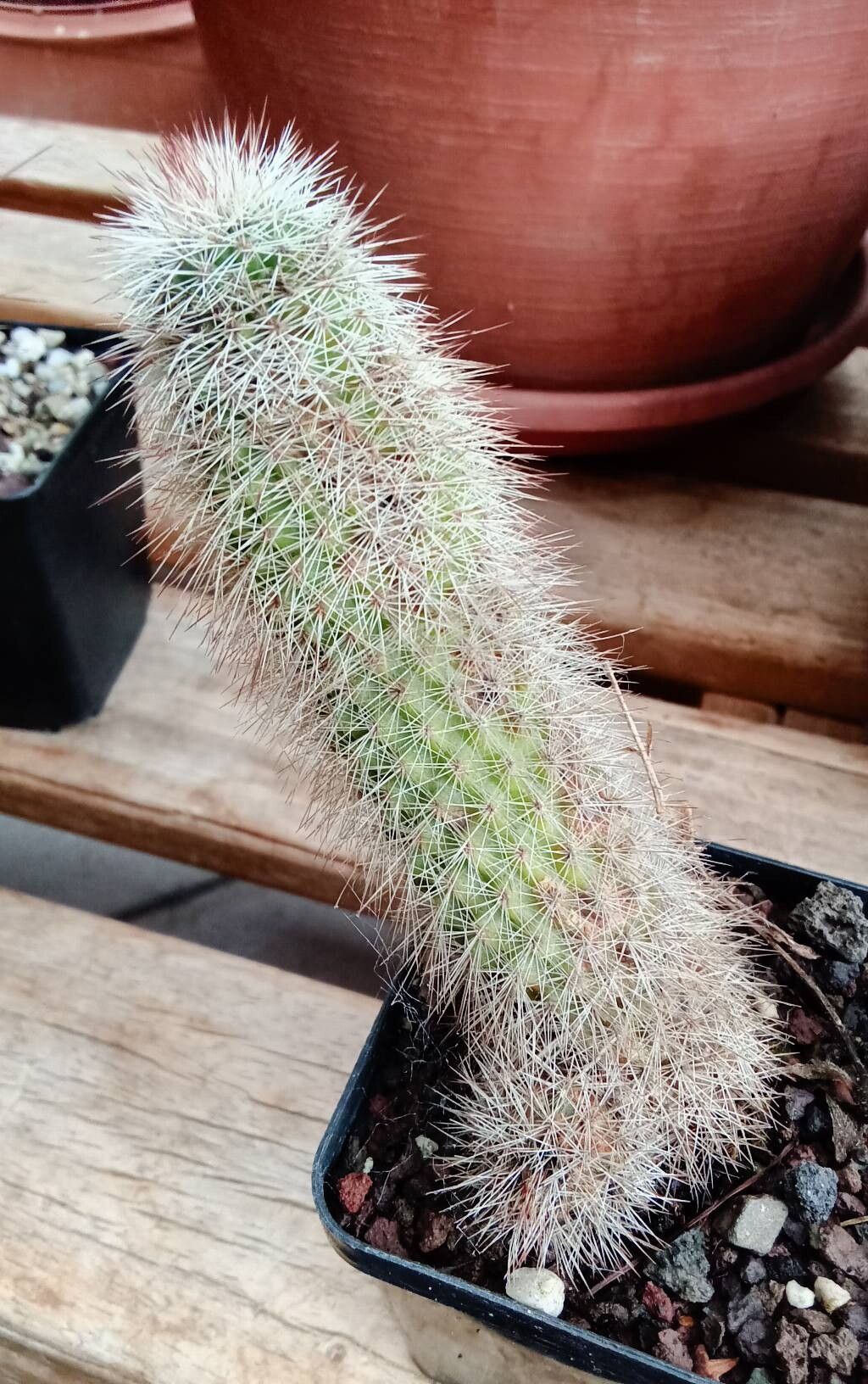
Oh, hello there, fellow garden enthusiast! I’m absolutely delighted you’ve come seeking knowledge on Echinocereus sciurus, often known as the Little Green Prince. If you’re looking for a cactus that’s both charmingly spiky and surprisingly rewarding to multiply, this is a fantastic choice. Its small, segmented stems topped with delicate spines make it a real miniature marvel. Propagating it might sound intimidating, but trust me, with a little guidance, you can watch your collection flourish without breaking the bank. Is it for absolute beginners? I’d say it’s a lovely step up, requiring a touch more attention than, say, a succulent, but well within reach with a positive attitude!
The Best Time to Start
When it comes to most cacti, and our little Echinocereus sciurus is no exception, spring and early summer are your golden windows. This is when the plant is actively growing, meaning it has the energy reserves to bounce back from taking cuttings and to focus on putting out those vital new roots. Starting a bit later in summer is also an option, but you’ll want to ensure your new propagations have ample time to establish before cooler autumn weather sets in.
Supplies You’ll Need
Gathering your tools before you begin makes the whole process smoother. Here’s what I always have on hand:
- Well-draining potting mix: I’m a big fan of a cactus and succulent blend, often with added perlite or pumice for extra aeration. About a 50/50 mix works wonders.
- Sharp, clean pruning shears or a sharp knife: Sterilize them with rubbing alcohol between every few cuts to prevent disease.
- Rooting hormone (optional but recommended): This can give your cuttings a real head start. Look for one specifically for cacti and succulents.
- Small pots or containers: Yogurt cups with drainage holes poked in the bottom work in a pinch!
- Gravel or small stones: For top dressing to help keep the stem upright and prevent moisture from sitting on the base.
- A spray bottle: For gentle watering.
- Tweezers (optional): For handling tiny cuttings if needed.
Propagation Methods
Echinocereus sciurus is incredibly cooperative when it comes to propagation, primarily through stem cuttings. It’s often the easiest and most successful method for this cactus.
Stem Cuttings:
- Select a healthy stem: Look for a mature, firm segment of the cactus. Avoid any that appear soft, discolored, or have signs of pests.
- Make a clean cut: Using your sterilized shears or knife, make a swift, clean cut at a joint between segments. The cleaner the cut, the less opportunity for pests or rot.
- Let it callous: This is a CRUCIAL step. Place the cutting on a clean paper towel or in an empty pot in a bright, dry location for at least 3-7 days. You want the cut end to dry and form a protective callus. This prevents rot when you plant it.
- Prepare the cutting (optional): Once calloused, you can dip the cut end into rooting hormone, tapping off any excess.
- Plant the cutting: Fill your small pot with your well-draining soil mix. Make a small hole in the center, large enough for the calloused end of the cutting. Gently insert the cutting into the soil, pushing it down just enough so it stands upright. You can add a few small stones around the base for support.
- Wait for roots: Do NOT water immediately. Place the pot in a bright spot with indirect sunlight. Wait another week or two before giving it its first, light watering. You’re looking for signs of new growth or resistance when you gently tug the cutting – these indicate roots have formed.
The “Secret Sauce” (Pro Tips)
I’ve learned a few tricks over the years that make propagation a bit more foolproof.
- The “Dry Healing” is King: Seriously, don’t rush the callousing. I’ve seen so many new propagators get impatient and water too soon, leading to heartbreaking rot. Let that cut end seal itself. It’s nature’s best defense!
- Bottom Heat is a Game Changer: If you can, especially for those trickier times or if you’re trying a few at once, popping your pots on a seedling heat mat set to a low temperature can significantly speed up root development. It mimics the warmth of spring soil beautifully.
Aftercare & Troubleshooting
Once your cutting shows signs of rooting – perhaps a slight plumpness or even a tiny new spine bud – you can begin a very gentle watering routine. Water sparingly, only when the soil is completely dry. A good method is to bottom water, allowing the pot to soak up moisture from below for about 15-20 minutes, then drain any excess. Place your new baby in bright, but not scorching, direct sunlight.
The most common villain in cactus propagation is rot. You’ll know if you have rot if the base of your cutting turns mushy, brown, or black, and often smells unpleasant. If you see this, act fast! Sometimes, you can try to cut away the rotted section and re-callous the healthy part, but often, it’s a sad loss. Overwatering is the usual culprit, so remember, when in doubt, err on the side of dry. Another sign of failed rooting is if the cutting begins to shrivel excessively and doesn’t firm up within a few weeks.
A Little Patience Goes a Long Way
Propagating plants, especially cacti, is as much about nurturing as it is about the technique. Don’t get discouraged if your first attempt isn’t a resounding success. Each cutting is a little experiment, and the process of observing, learning, and trying again is incredibly rewarding. Enjoy watching your little Echinocereus sciurus grow and giving these charming plants a new lease on life. Happy propagating!
Resource:
https://identify.plantnet.org/k-world-flora/species/Echinocereus%20sciurus%20(Brandegee)%20Dams/data