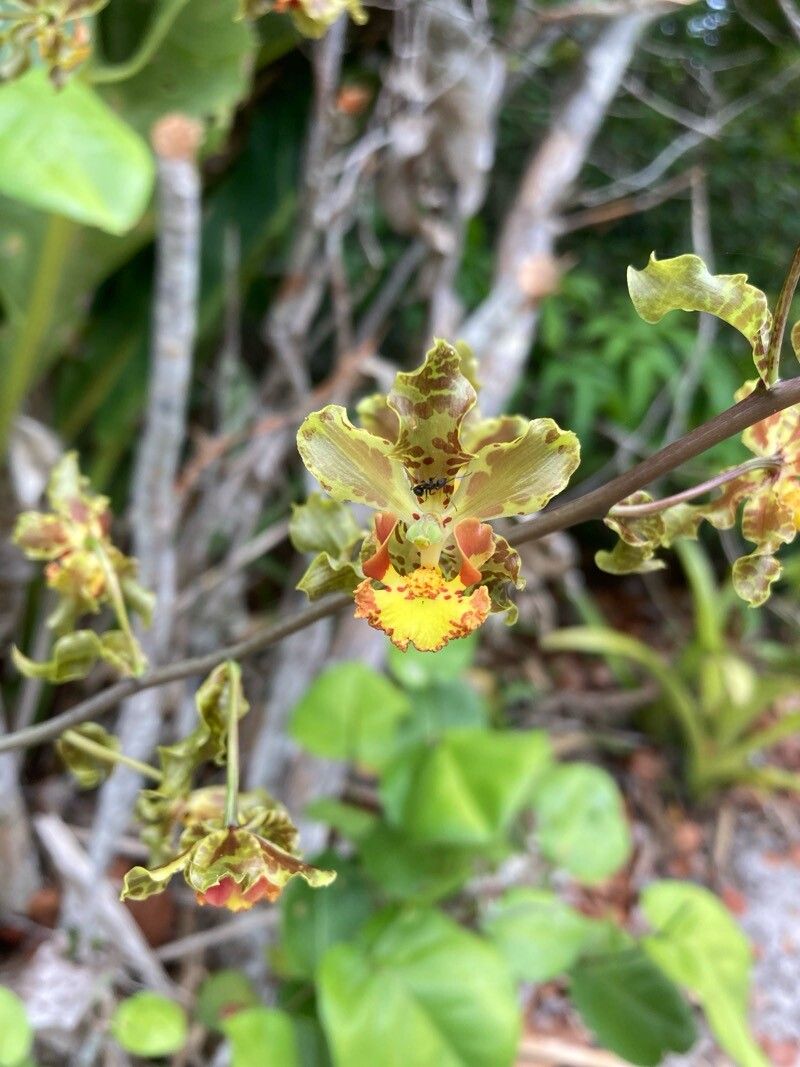
Oh, hello there! Grab a mug of your favorite brew, and let’s chat about a real gem in the orchid world: Cyrtopodium macrobulbon. If you’ve ever seen one of these beauties gracing a garden or a greenhouse, you know they have this incredible presence. The tall, arching flower spikes, usually bursting with vibrant colors, are simply stunning. Growing them from scratch is a journey that truly pays off, offering you the chance to multiply that splendor and share it with others. Now, is it a walk in the park for absolute beginners? While not the easiest orchid to start with, with a little patience and the right approach, you’ll find it’s absolutely achievable and incredibly satisfying.
The Best Time to Start
Timing is everything, and with Cyrtopodium macrobulbon, the sweet spot for propagation is generally after the plant has finished its flowering cycle and is entering its active growth phase. This usually happens in the late spring to early summer. You’ll notice new shoots emerging, and this is when the plant has the most energy to dedicate to forming new roots. Trying to propagate when it’s dormant or actively blooming can be a bit more challenging.
Supplies You’ll Need
Here’s what you’ll want to have on hand to set yourself up for success:
- Sharp, sterile pruning shears or a clean knife: This is crucial for making clean cuts and preventing disease.
- A well-draining potting mix: I’m a big fan of orchid bark mixes, often with additions of perlite and charcoal. A mix that holds some moisture but drains quickly is key.
- Small pots or propagation trays: Enough to accommodate your new divisions or cuttings.
- Rooting hormone (optional but recommended for cuttings): A powdered or gel form can give your cuttings a nice boost.
- Watering can with a fine rose or spray bottle: For gentle watering.
- Labels and a marker: To keep track of what you’ve propagated and when!
- Bottom heat source (optional but helpful): A seedling heat mat can really speed up root development.
Propagation Methods
For Cyrtopodium macrobulbon, the most reliable method is division. These orchids tend to form clumps, and separating them is like giving your established plant a bit of a refresh while also creating new ones.
Division:
- Prepare Your Plant: Gently remove the Cyrtopodium macrobulbon from its pot. You might need to tap the pot firmly or even carefully break away the old pot if it’s stuck.
- Examine the Root Ball: Gently tease apart any excess old potting mix. You’ll be looking for natural divisions – where new pseudobulbs (the swollen stem bases) have formed and are attached to the main plant with their own roots.
- Make the Cut: Using your sharp, sterile shears or knife, carefully cut between the divisions. Aim to separate pieces that have at least two to three healthy pseudobulbs and a good root system. Discard any mushy or dead parts.
- Allow to Dry: This is important! After dividing, let the cut surfaces of each new division dry out in a well-ventilated area for a day or two. This helps to callous over the cuts and further reduces the risk of rot.
- Pot Up: Pot each division into its own container with your fresh, well-draining orchid mix. Plant them so the top of the pseudobulbs are just at or slightly above the surface of the mix.
- Initial Watering: Water very sparingly for the first week or two. The goal is to keep the potting mix slightly moist, not waterlogged.
The “Secret Sauce” (Pro Tips)
Here are a couple of things I’ve learned over the years that often make a difference:
- Don’t Rush Re-Potting: After division, resist the urge to water heavily. These orchids prefer to dry out a bit between waterings, and this applies even more so to newly divided plants. A gentle misting can be sufficient for the first week.
- The Power of Patience and Observation: Look for signs of new growth! The first indicator that your division is happy and rooting will be new leaf growth or little white nubs appearing on the roots. Don’t be discouraged if it takes a few weeks to see this.
Aftercare & Troubleshooting
Once your new divisions are potted, place them in a spot with bright, indirect light and good air circulation. Avoid direct sun which can scorch young leaves. Keep them slightly on the drier side, allowing the potting mix to approach dryness before watering again.
The most common issue you might encounter is rot. This usually happens from overwatering. You’ll see the pseudobulbs turn mushy and brown or black. If you spot this, try to remove the affected parts with your sterile knife and let the remaining healthy parts dry out really well before attempting to pot them again. Sometimes, unfortunately, a division is simply too far gone.
A Encouraging Closing
Growing orchids like Cyrtopodium macrobulbon is a rewarding endeavor. It teaches us to be observant, patient, and to truly appreciate the life cycles of these incredible plants. Don’t be disheartened if your first attempt isn’t perfect. Each “learning experience” brings you closer to mastering the art. Enjoy the process, celebrate the small victories – like seeing that first new leaf unfurl – and soon you’ll be sharing your Cyrtopodium macrobulbon success with pride! Happy growing!
Resource: