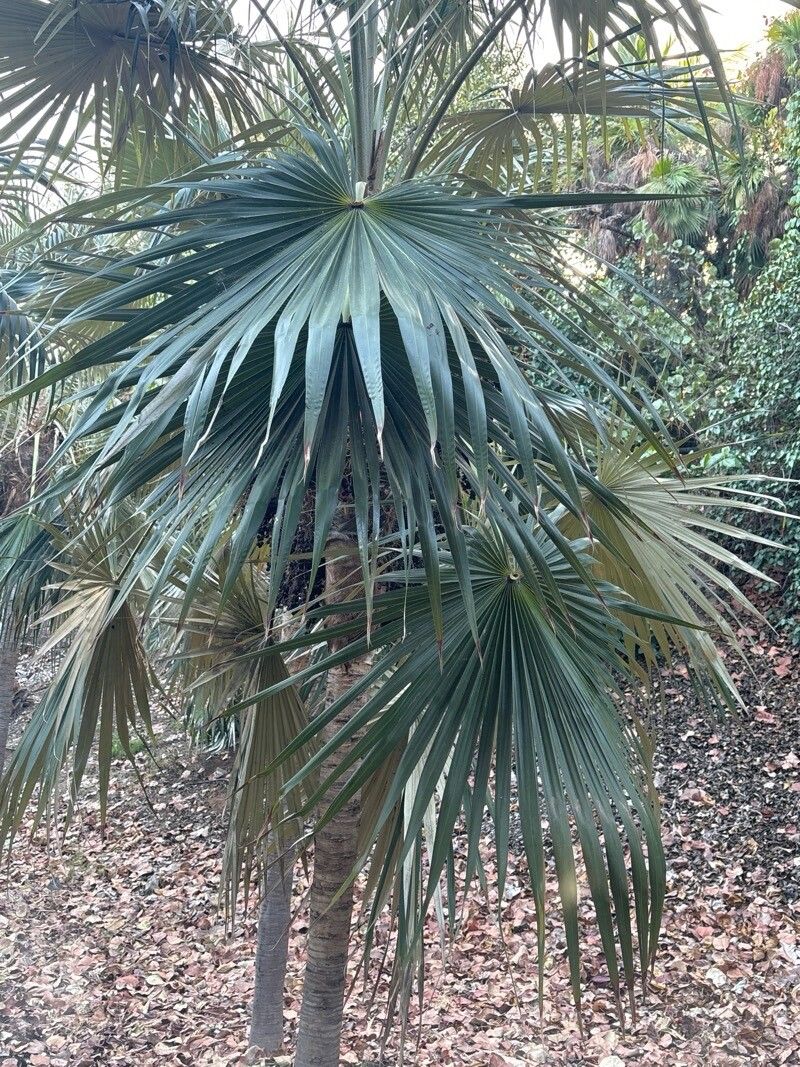
Hey everyone! It’s lovely to connect with you all again. Today, we’re diving into the world of a truly special palm: Coccothrinax proctorii, also known as the Proctor’s Thatch Palm. This little gem, with its slender trunk and beautiful, fan-shaped leaves, brings a touch of the Caribbean to any space. Propagating it is incredibly rewarding, offering you the chance to share this beauty or expand your own palm collection. Now, I’ll be honest, Coccothrinax proctorii isn’t the most straightforward palm to propagate for absolute beginners. It requires a little patience and precision, but with these tips, you’ll be well on your way!
The Best Time to Start
For Coccothrinax proctorii, the sweet spot for propagation is during its active growing season. Think late spring and summer. The warm temperatures and increased daylight encourage vigorous growth, which is exactly what we want when encouraging new roots to form. Starting when the plant is healthy and showing good signs of life will give you the best chance of success.
Supplies You’ll Need
Here’s what you’ll want to have on hand:
- Sharp, sterile pruning shears or a clean knife: For making precise cuts.
- Well-draining potting mix: A blend of peat moss, perlite, and coarse sand works wonders. Many people find success with a cactus/succulent mix as a base.
- Perlite or horticultural grit: To boost drainage in your mix.
- A clear plastic bag or humidity dome: To maintain a humid environment.
- Small pots or propagation trays: With drainage holes, of course!
- Rooting hormone (optional but recommended): For an extra boost to root development.
- Watering can with a fine rose: For gentle watering.
- Labels and a permanent marker: To keep track of your projects!
Propagation Methods
Coccothrinax proctorii is best propagated from seeds or division. Cuttings aren’t a reliable method for this species.
Seed Propagation (The Most Common Method)
- Source Your Seeds: If you’re lucky enough to have access to a mature Coccothrinax proctorii with mature fruit, you can collect your own seeds. Otherwise, reputable palm seed suppliers are your best bet.
- Prepare the Seeds: Clean the seeds gently to remove any remaining fruit flesh. Some growers recommend soaking the seeds in warm water for 24-48 hours to encourage germination.
- Sowing: Fill your pots or trays with your well-draining potting mix. Plant the seeds about ½ inch deep. Space them out if you’re sowing multiple seeds in one container.
- Water Gently: Moisten the soil thoroughly, but avoid waterlogging. The goal is consistently moist, not soggy.
- Create a Humid Environment: Cover the pots with a clear plastic bag or place them under a humidity dome. This is crucial for maintaining the high humidity these seeds need to germinate.
- Provide Warmth and Light: Place the pots in a warm location. Bottom heat, like a seedling heat mat, can significantly speed up germination. They prefer bright, indirect light.
- Be Patient! Palm seeds, especially slow-germinating ones like Coccothrinax proctorii, can take anywhere from a few months to over a year to sprout. Don’t give up too soon!
Division (For Established Plants)
If you have a Coccothrinax proctorii that has produced offshoots (pups) at its base:
- Gently Excavate: Carefully remove the entire plant from its pot.
- Identify New Shoots: Look for smaller shoots that have emerged from the base of the parent plant and appear to have their own root system.
- Separate the Pups: Using a clean, sharp knife or trowel, carefully separate the pup from the parent plant, ensuring you bring as many of its own roots as possible. If the pup is very small, it might be best to leave it attached until it’s more established.
- Pot Up: Plant the separated pup into its own pot filled with your well-draining potting mix.
- Water and Maintain Humidity: Water gently and cover the pot with a plastic bag or place it in a larger humidity chamber.
- Gradual Acclimation: Once you see signs of new growth, gradually remove the cover over a week or two to allow the pup to acclimate to normal humidity levels.
The “Secret Sauce” (Pro Tips)
- Don’t let any part of the seed or seedling touch the water standing in the tray. This is a common mistake that leads to rot. Always water from the top or use a bottom-watering system where the pot sits on the water, not in it.
- Sterilize everything! I can’t stress this enough. A clean environment drastically reduces the chances of fungal infections and rot, which are common culprits when things go wrong with palm propagation.
- Patience is truly a virtue. With palms, especially Coccothrinax proctorii, rushing the process is your enemy. The seeds might look dormant for ages, but they are slowly getting ready to blow your mind.
Aftercare & Troubleshooting
Once your seeds sprout or your divisions have taken root (you’ll see new fronds emerge!), it’s time for gentle care.
- Light: Gradually introduce your new palms to brighter, indirect light. Avoid direct, harsh sun, which can scorch young foliage.
- Watering: Continue to water moderately. Allow the top inch of soil to dry out slightly between waterings. Overwatering is the quickest way to kill a new palm.
- Humidity: While they will eventually acclimate, young palms appreciate higher humidity. Misting occasionally can help, or keep them near other plants.
Troubleshooting: The most common problems are rot and lack of germination.
- Rot: If your seeds or seedlings start to turn mushy or develop black spots, you’re likely overwatering, the soil isn’t draining well enough, or there’s a lack of air circulation causing a fungal issue. Improve drainage, water less frequently, and ensure some air movement.
- No Germination: This often comes down to temperature, moisture, or seed viability. Make sure your seeds are getting consistent warmth (bottom heat is key!), the soil is kept consistently but not soggily moist, and that your seeds are fresh.
A Fond Farewell
Propagating Coccothrinax proctorii is a journey, not a race. Celebrate each tiny success, from the first hint of green to the unfurling of its first mature frond. So grab your supplies, find a warm spot, and get your hands dirty. You’ll find immense satisfaction in nurturing these beautiful palms from their humble beginnings. Happy growing!
Resource:
https://identify.plantnet.org/k-world-flora/species/Coccothrinax%20proctorii%20Read/data