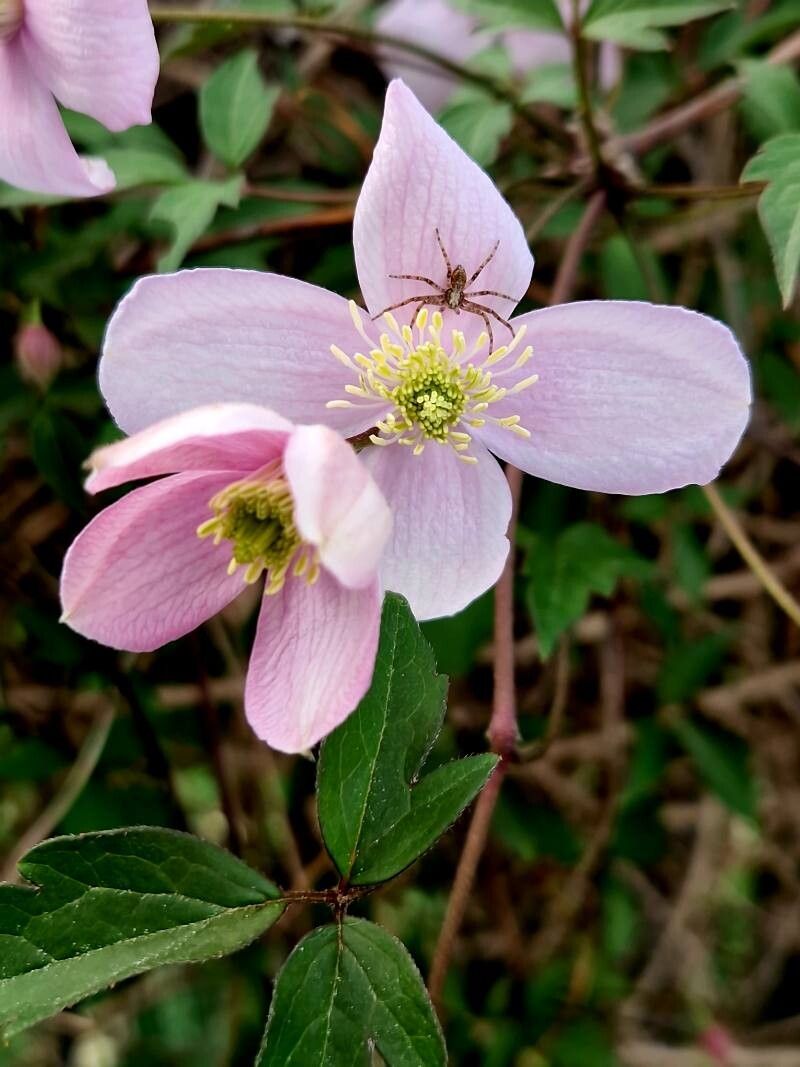
Oh, Clematis montana! There’s nothing quite like seeing those drifts of delicate, fragrant blooms spill over a wall or climb through a tree in late spring. They’re simply breathtaking, aren’t they? If you, like me, have fallen head over heels for this magnificent climber, you might be wondering about getting more of them into your garden. Propagating your own montana clematis is a fantastic way to expand your collection, share with gardening friends, or simply enjoy the deep satisfaction of growing something from scratch. And honestly? While it requires a little patience, it’s not as daunting as you might think. Even if you’re just starting out, you can absolutely succeed.
The Best Time to Start
For Clematis montana, the sweet spot for propagation is usually late spring to mid-summer. This is when the plant is actively growing, and you can take cuttings from stems that have hardened off a bit, but are still somewhat flexible. Think of stems that have grown this year, but are no longer brand new and bright green. They have a bit of substance to them.
Supplies You’ll Need
Gathering your tools beforehand makes the whole process much smoother. Here’s what I always have on hand:
- Sharp, clean pruning shears or a strong knife: For making clean cuts.
- Rooting hormone powder or gel: This is a game-changer for encouraging root development.
- Small pots or trays: Ideally with drainage holes.
- A well-draining potting mix: A mix of peat moss, perlite, and a little compost works wonderfully. You can also buy specific seed-starting or cutting mixes.
- Plastic bags or a propagator lid: To create a humid environment.
- Watering can with a fine rose: For gentle watering.
- Labels and a permanent marker: To keep track of what you’ve planted!
Propagation Methods: Let’s Get Cutting!
While you can try water propagation with some plants, I find stem cuttings to be the most reliable and rewarding method for Clematis montana.
- Choose Your Cuttings: Head out to your mature montana clematis. Look for healthy, non-flowering stems. You want stems that have developed a bit of woody growth – not the brand-new, flimsy shoots. Aim for stems about the thickness of a pencil, and choose sections that are about 6-10 inches long.
- Make the Cut: Using your clean shears, make a cut just below a leaf node. This is where roots are most likely to form. You’re essentially taking a cutting that has at least two or three leaf nodes.
- Prepare the Cutting: Immediately after taking the cutting, remove the leaves from the bottom half. You can gently trim larger leaves in half to reduce water loss through transpiration. The remaining leaves at the top will help the cutting photosynthesize.
- Dip in Rooting Hormone: Dip the cut end of the stem into your rooting hormone. Gently tap off any excess. This step really boosts your chances of success.
- Potting Up: Fill your small pots or trays with your prepared, moist potting mix. Make a hole in the center of the mix with your finger or a pencil, and carefully insert the prepared cutting, ensuring the nodes where you removed the leaves are buried in the soil. Gently firm the soil around the stem.
- Water and Cover: Water the pots thoroughly but gently. Then, cover the pots with a clear plastic bag, propped up with a few sticks so it doesn’t touch the leaves, or place them inside a propagator with a lid. This creates humidity, which is crucial for cuttings to develop roots before they dry out.
The “Secret Sauce” (Pro Tips)
After years of tinkering, I’ve picked up a few tricks that seem to make all the difference:
- The Bottom Heat Advantage: If you have a heat mat designed for seedlings and cuttings, use it! Placing your pots on a gentle heat source really encourages root growth from the bottom up. It’s like a warm hug for those developing roots.
- Don’t Drown Your Dreams: While humidity is key, avoid waterlogged soil at all costs. Clematis cuttings are prone to rot if they sit in soggy conditions. Ensure excellent drainage and don’t overwater. I like to let the top layer of soil dry out slightly before watering again.
- Location, Location, Location: Place your cuttings in a bright spot, but out of direct, scorching sunlight. Dappled shade or a north-facing windowsill is often perfect. Too much sun, and those delicate leaves will scorch before roots even form.
Aftercare & Troubleshooting
Once your cuttings are potted, be patient! It can take anywhere from 4 to 8 weeks, or even longer, for roots to develop.
- Check for Roots: You can gently tug on a cutting. If you feel resistance, you’ve likely got roots! Another sign is seeing new leaf growth appear.
- Gradual Acclimatization: Once roots have formed, start acclimatizing your new plants by gradually opening the plastic bag or propagator lid over a week or so.
- Potting On: When your cuttings have a good root system (you might see roots peeking out of the drainage holes), it’s time to pot them into slightly larger individual pots. Continue to keep them in bright, indirect light.
- Watch for Rot: The biggest culprit of failure is rot, which manifests as a blackened, mushy stem, often near the soil line. If you see this, unfortunately, that cutting is probably lost. This is usually a sign of too much moisture and not enough air circulation.
Growing clematis from cuttings is a little journey, and like any good journey, it’s full of learning and rewarding moments. Don’t be discouraged if not every cutting takes. Nature has her own way, and with a bit of practice and these tips, you’ll soon be surrounded by the delightful blooms of your own propagated montana clematis. Happy gardening!
Resource:
https://identify.plantnet.org/k-world-flora/species/Clematis%20montana%20Buch.-Ham.%20ex%20DC./data