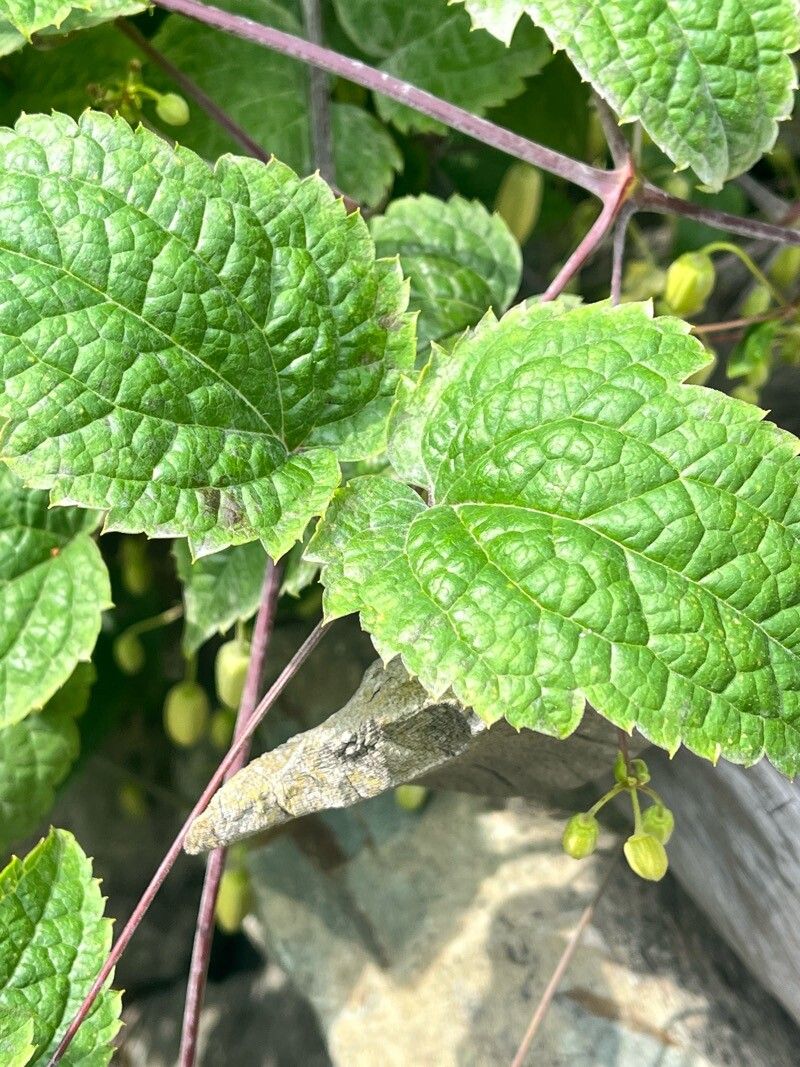
Oh, Clematis buchananiana! If you’ve ever seen one of these beauties gracing a garden wall, dripping with those lovely bell-shaped flowers, you know why they capture our hearts. There’s something truly special about them, a touch of wild elegance. And the joy you get from nurturing a brand new plant from a tiny piece of an existing one? Pure gardening bliss! While Clematis buchananiana can be a little fussy about propagation compared to some of its more common cousins, it’s absolutely doable with a bit of know-how and patience. Think of it as a rewarding challenge that, once conquered, opens the door to a whole new world of possibilities for your garden.
The Best Time to Start
For the highest success rate with Clematis buchananiana, late spring to early summer is your sweet spot. This is when the plant is actively growing, and the stems have had a chance to mature a bit but are still somewhat flexible. We’re looking for semi-ripe cuttings – that means they’re not brand new and soft, but they haven’t hardened off completely either. You can usually tell by trying to snap a stem; it should break with a little resistance, not just bend limply or snap cleanly like a dry twig.
Supplies You’ll Need
Before you get your hands dirty, let’s gather our tools. Having everything ready makes the process so much smoother.
- Sharp Pruning Shears or a Knife: Make sure they’re clean! This prevents the spread of disease and gives a clean cut.
- Rooting Hormone: This little helper significantly increases your chances of success by encouraging root development. Gel or powder form works just fine.
- Potting Mix: A well-draining, sterile seed starting mix is ideal. You can also whip up your own by mixing equal parts peat moss (or coco coir) and perlite or coarse sand. The key is excellent aeration.
- Small Pots or Trays: Clean pots with drainage holes are essential. Small ones are perfect for cuttings.
- Clear Plastic Bag or Dome: This creates a mini-greenhouse effect, keeping humidity levels high for your cuttings.
- Watering Can with a Fine Rose: For gentle watering.
- Labels and a Pen: Don’t forget to label your cuttings! You’ll thank yourself later.
Propagation Methods
While Clematis buchananiana can be a bit more stubborn with cuttings than other types, stem cuttings are generally your best bet for success. Let’s dive in.
Stem Cuttings
- Take Your Cuttings: In late spring or early summer, select healthy, non-flowering shoots. Using your clean pruning shears, take cuttings that are about 4-6 inches long. Make your cut just below a leaf node (the point where a leaf grows from the stem). This is where the magic happens for root formation.
- Prepare the Cuttings: Gently remove the leaves from the lower half of the cutting. If the upper leaves are very large, you can cut them in half to reduce water loss through transpiration. Leave one or two sets of leaves at the top.
- Apply Rooting Hormone: Dip the cut end of each stem into your rooting hormone, ensuring it’s well-coated. Tap off any excess.
- Plant Your Cuttings: Fill your clean pots with your prepared potting mix and moisten it thoroughly. Make a small hole in the soil with your finger or a pencil. Insert the cut end of the stem into the hole, making sure the hormone-coated part is in contact with the soil. Gently firm the soil around the stem to ensure good contact.
- Create a Humid Environment: Water the pots gently. Then, place a clear plastic bag over the pot, supported by stakes so it doesn’t touch the leaves, or use a clear plastic propagator lid. This traps moisture and creates that vital humid environment.
- Placement: Position the pots in a bright location but out of direct sunlight. Too much sun will scorch your delicate cuttings.
The “Secret Sauce” (Pro Tips)
Here are a few little tricks I’ve picked up over the years that can really make a difference.
- Bottom Heat is Your Friend: While not strictly essential, placing your pots on a propagator mat set to a low temperature (around 70-75°F or 21-24°C) can significantly speed up root development. It mimics the warmth of a greenhouse and gives those roots a cozy place to start growing.
- Don’t Let the Leaves Touch the Water: If you opt for water propagation (though I generally find it less successful for Clematis buchananiana than soil), ensure the leaves of your cutting never sit in the water. Submerged leaves will rot quickly, taking your cutting with them. Only the stem end should be submerged.
- Wipe Condensation: If you see a lot of condensation on the inside of your plastic bag or dome, wipe it away with a clean cloth. Excessive moisture can encourage fungal diseases. It’s a balancing act between humidity and airflow.
Aftercare & Troubleshooting
Once your cuttings are potted up, the real waiting game begins. Keep the soil consistently moist but not soggy. It should feel like a wrung-out sponge. Check for rooting by very gently tugging on a stem after about 4-6 weeks. If there’s resistance, you’ve got roots!
The most common sign of failure is rotting. If your cutting turns black and mushy, it’s likely succumbed to rot. This usually happens due to:
- Too much moisture: The soil is waterlogged.
- Poor airflow: The humid environment is stagnant.
- Disease: From unclean tools or contaminated soil.
If you see wilting or yellowing leaves that aren’t due to lack of water, it could also be a sign of stress or an unfavorable environment. Try adjusting the light or humidity.
When your cuttings have developed a good root system (you might see roots peeking through the drainage holes), you can transplant them into slightly larger pots with a good quality potting mix. Continue to keep them moist and out of direct sun until they show signs of vigorous new growth. Slowly acclimate them to outdoor conditions before planting them in their permanent home.
A Little Patience Goes a Long Way
Gardening is a journey, and propagation is a particularly rewarding part of it. Be patient with your Clematis buchananiana cuttings. Not every single one will make it, and that’s perfectly normal. Celebrate the successes, learn from the failures, and enjoy the process of nurturing new life. Happy propagating!
Resource:
https://identify.plantnet.org/k-world-flora/species/Clematis%20buchananiana%20DC./data