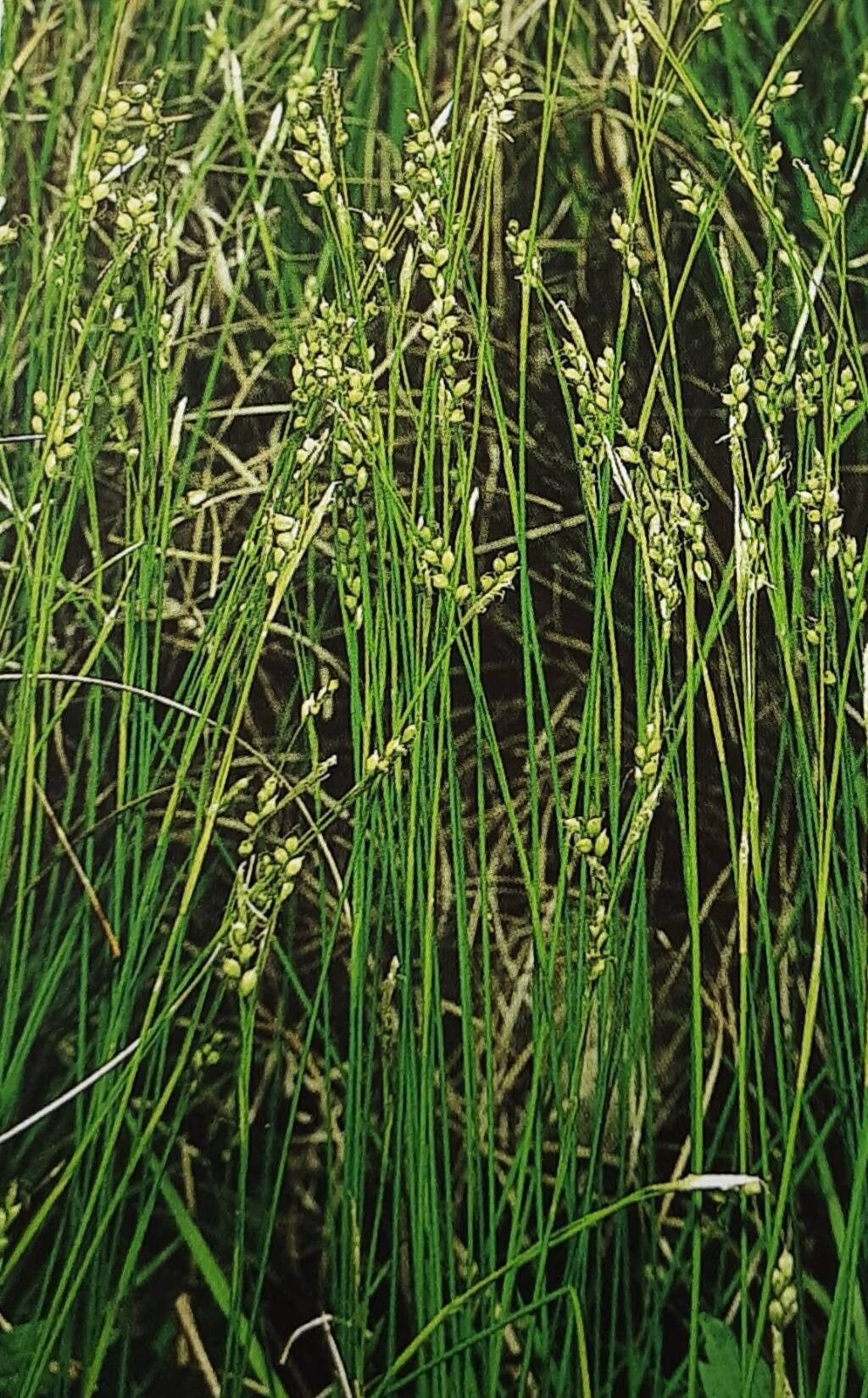
Oh, Carex alba! If you’re smitten with its delicate, arching foliage and the way it brings a whisper of woodland elegance to any garden spot, you’re not alone. I’ve always loved this sedge for its graceful beauty, especially in shady, dappled light. Propagating it is a wonderful way to fill those quiet corners or share its charm with fellow garden lovers. And for those of you just dipping your toes into the propagation pond, I’m happy to say Carex alba is generally quite forgiving. You’ll likely have a pleasing success rate with a little bit of care.
The Best Time to Start
My absolute favorite time to get my hands dirty with Carex alba is in early spring. As soon as the soil starts to warm up and before the plant really gets going with vigorous new growth, that’s your sweet spot. You can also have good luck with fall division once the intense heat of summer has passed, giving the divisions a chance to establish before winter really sets in.
Supplies You’ll Need
Gathering your tools beforehand makes the whole process much smoother. Here’s what I usually have on hand:
- Sharp, clean pruning shears or a trowel: For making clean cuts or gently teasing apart root balls.
- Well-draining potting mix: A good blend of peat moss, perlite, and compost works wonders. I often add a bit of orchid bark for extra drainage.
- Small pots or seed trays: Whatever you have available that allows for good drainage.
- Rooting hormone (optional): While not strictly necessary for Carex alba, it can give a little boost, especially if you’re aiming for faster results.
- A watering can with a fine rose: For gentle watering.
- Labels or plant tags: So you don’t forget what you’ve planted where!
Propagation Methods
For Carex alba, the most effective and straightforward method is division. This is essentially taking a mature plant and gently separating it into smaller, viable pieces.
- Digging Up the Mother Plant: In your chosen season (early spring or fall), carefully dig around the base of a healthy, mature Carex alba plant. Gently lift the entire clump from the ground.
- Cleaning the Roots: Gently shake off as much of the soil as you can from the root ball. This will help you see where to make your divisions.
- The Gentle Pull Apart: With clean hands, slowly and gently pull the root ball apart. You’re looking for natural breaks where the plant can be separated into smaller sections, each with its own healthy roots and some shoots. If it’s a bit stubborn, it’s okay to use your clean pruning shears or trowel to make a cut through the roots, but try to avoid tearing. Aim for pieces that are a good size, not too tiny.
- Replanting Your Divisions: Plant each division into its own pot filled with your well-draining potting mix. Make sure the crown (where the foliage emerges from the roots) is at soil level.
- Water and Settle: Water the newly planted divisions thoroughly. This helps settle the soil around the roots.
The “Secret Sauce” (Pro Tips)
Now, for a couple of little tricks I’ve picked up over the years that can really make a difference:
- Don’t Drown Those Roots: When you water after division, make sure the pots have excellent drainage. For the first week or two, keep the soil consistently moist but not waterlogged. Soggy conditions are the fastest way to invite rot, and we definitely don’t want that!
- A Little Shade Goes a Long Way: Newly divided plants can be a bit stressed from the process. I like to place my potted divisions in a shady or partially shaded spot for the first few weeks. This prevents them from drying out too quickly and helps them focus on root development rather than battling intense sun.
Aftercare & Troubleshooting
Once your divisions are planted, keep a watchful eye. You want to see the foliage perk up and new shoots emerge, which is a good sign they’re settling in.
Signs of Trouble: The most common issue you might encounter is rot. If the leaves start to turn yellow and mushy, or if the roots feel slimy and smell unpleasant, it’s a clear sign of too much moisture. The best thing to do is ensure your pots are draining freely and ease up on the watering. If rot is advanced, sadly, that particular division may not recover. Don’t let it discourage you; sometimes success comes after a little trial and error.
A Encouraging Closing
Propagating Carex alba is a truly satisfying endeavor. It’s a chance to connect with your plants on a deeper level and multiply that lovely woodland magic. Be patient, enjoy the quiet observation, and celebrate each tiny new shoot that emerges. Happy gardening!
Resource:
https://identify.plantnet.org/k-world-flora/species/Carex%20alba%20Scop./data