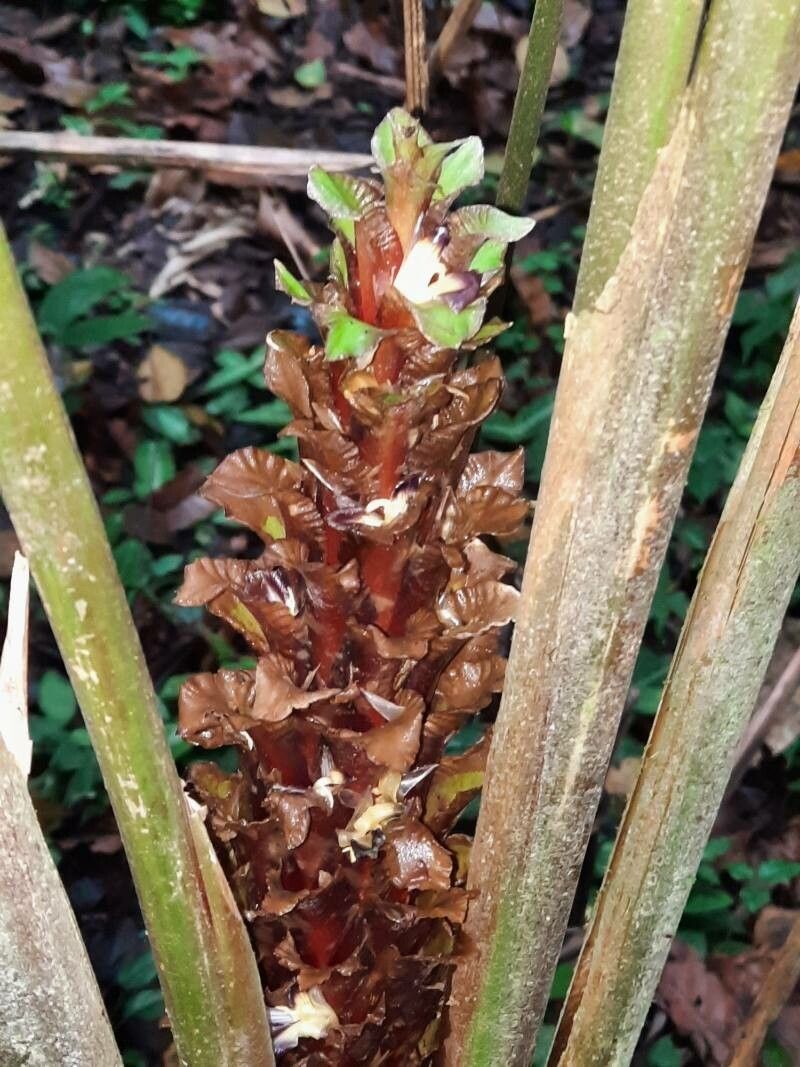
Hey there, fellow plant lovers! I’m so excited to chat with you today about a truly stunning houseplant: Calathea guzmanioides, often called the ‘Rattlesnake Plant’ by some, though technically that’s Calathea lancifolia. Calathea guzmanioides has these gorgeous, velvety leaves with intricate patterns that just make a room sing. And let me tell you, the joy of successfully propagating one is immense! You get to share its beauty with friends, or just enjoy doubling your collection – who wouldn’t want that?
Now, about its fussiness. Calatheas can be a teensy bit particular, and Calathea guzmanioides is no exception. Propagating them isn’t exactly “set it and forget it,” but with a little patience and the right approach, it’s definitely achievable. Don’t let that deter you!
The Best Time to Start
Honestly, the happiest time for your Calathea guzmanioides is during its active growing season. That usually means spring and summer for most of us. You’ll see new leaves unfurling, and the plant will be full of vigor. This is when it has the most energy to put into developing new roots and shoots. Trying to propagate in the dead of winter is like asking it to run a marathon on a broken leg – just not ideal.
Supplies You’ll Need
Gathering your essentials beforehand makes the whole process smoother. Here’s what I always have on hand:
- Sharp, clean pruning shears or a sterile knife: Essential for making clean cuts.
- Well-draining potting mix: A good blend for Calatheas typically includes peat moss, perlite, and orchid bark. I love a mix that’s airy!
- Small pots or propagation trays: These should have drainage holes.
- Rooting hormone (optional but recommended): This can give your cuttings a helpful boost.
- Perlite or horticultural sand: To help improve drainage and aeration in your soil mix.
- Clear plastic bags or a propagation dome: To create a humid environment.
- A watering can with a fine rose or a spray bottle: For gentle watering.
Propagation Methods
The most reliable way to propagate Calathea guzmanioides is through division. This plant naturally grows in clumps with multiple shoots emerging from the base.
Here’s how I do it:
- Prepare Your Plant: Gently remove your Calathea guzmanioides from its pot. If it’s tightly bound, you might need to carefully loosen the soil from the roots.
- Locate the Divisions: Look for where the plant naturally separates into distinct sections, each with its own roots and at least one or two healthy leaves.
- Gently Separate: This is where your clean shears or knife come in. Carefully cut or pull apart the root ball to separate the clumps. It’s okay if some roots break, but try to keep as many as possible attached to each division. Each piece should have a decent root system.
- Potting Up: Plant each division into its own small pot filled with your well-draining potting mix. Ensure the roots are spread out and covered.
- Initial Watering: Water thoroughly until you see water draining from the bottom.
While stem cuttings are possible with some Calatheas, Calathea guzmanioides is less enthusiastic about that method and division is far more successful for creating a plant truly like your original.
The “Secret Sauce” (Pro Tips)
Over the years, I’ve learned a few tricks that can really make a difference.
- Humidity is King (and Queen!): Calatheas adore humidity. After potting your divisions, pop them into a clear plastic bag or cover them with a propagation dome. Make sure the leaves aren’t touching the sides of the bag, as this can encourage rot. Keep them out of direct sunlight in this humid bubble.
- Warm Bottom is Winning: Calatheas really benefit from a bit of warmth to encourage root development. Placing your newly potted divisions on a propagation mat set to a gentle warmth (around 70-75°F or 21-24°C) can significantly speed things up.
- Patience, Dear Gardener: This is crucial. Calatheas aren’t the fastest propagators. Don’t be tempted to dig them up too soon to check for roots. Give them at least 4-6 weeks. You’ll see new leaf growth as the sign they’ve successfully rooted.
Aftercare & Troubleshooting
Once your Calathea guzmanioides divisions show signs of new growth – which is proof they’ve rooted – you can gradually transition them.
- Acclimatize: Slowly open the plastic bag or propagation dome over a week or two, allowing the young plants to adjust to normal room humidity.
- Watering: Water when the top inch of soil feels dry. Always let excess water drain away.
- Light: Keep them in bright, indirect light. Direct sun is a big no-no for Calatheas.
The most common issue you might encounter is rot. This usually happens from too much moisture and not enough airflow. If you see leaves turning yellow and mushy, or the stem base becoming soft, it’s likely rot. Sadly, there’s often not much you can do once rot sets in. This is why that good drainage and avoiding overwatering are so critical from the start.
A Moment of Encouragement
Propagating plants is a rewarding journey, and watching a new life emerge from your existing one is truly magical. Be patient with your Calathea guzmanioides. It might take a little time, but the satisfaction of seeing those new leaves unfurl is absolutely worth it. Happy propagating, and may your green thumb grow ever greener!
Resource: