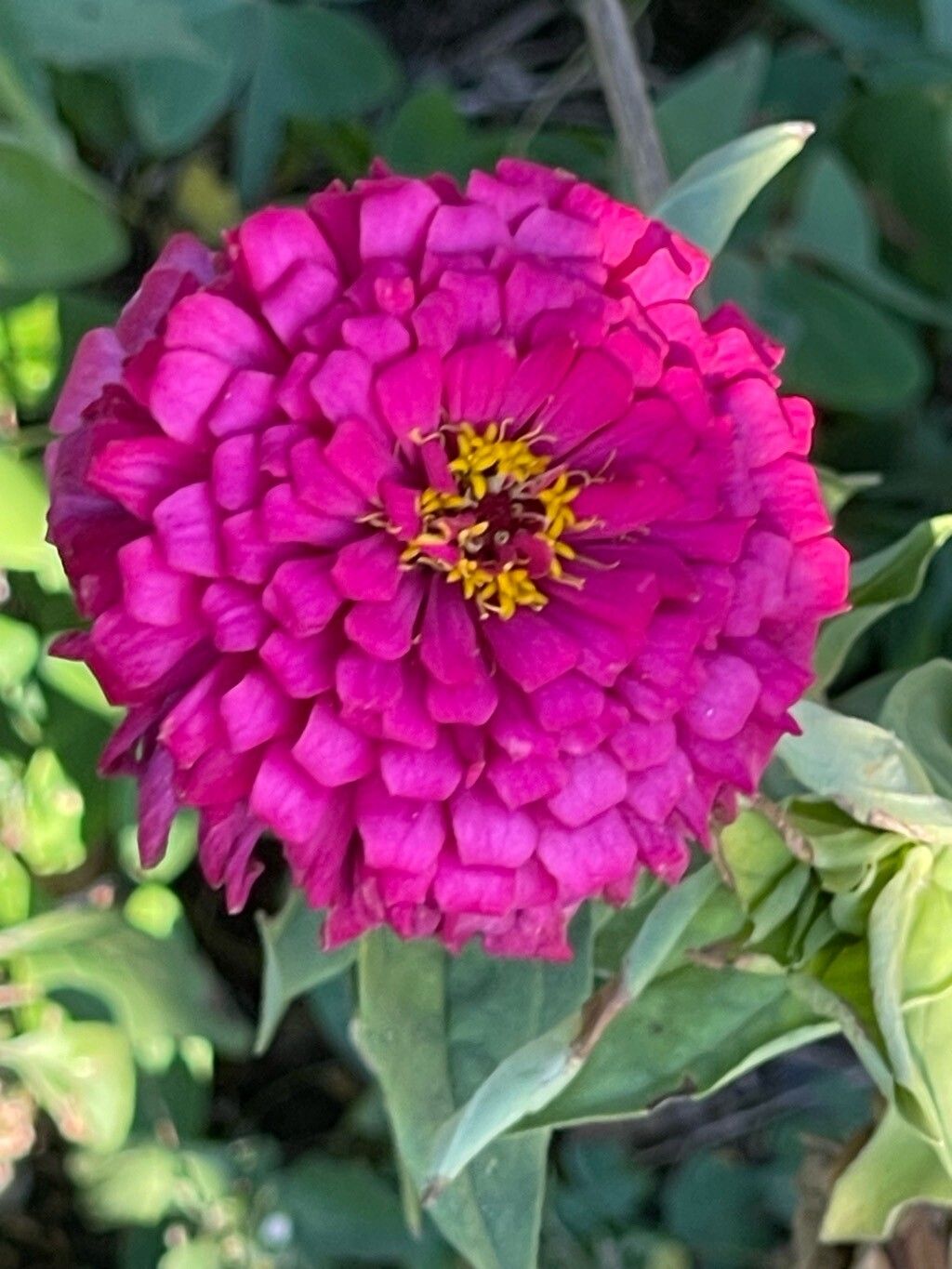
Oh, zinnias! Aren’t they just the happiest flowers in the garden? Their bright, bold colors and cheerful blooms have a way of lifting my spirits every single year. They’re like little bursts of sunshine that keep on giving. And the best part? They’re wonderfully easy to multiply. If you’re just dipping your toes into the world of plant propagation, zinnias are an absolutely fantastic place to start. You’ll be surprised at how many new beauties you can grow from just a few of your favorites!
When is the Magic Hour for Zinnia Starts?
For the highest success rate with zinnias, aim to start propagating after the last frost when the weather is consistently warm. Think late spring or early summer. This gives your cuttings plenty of time to establish before the cooler autumn days arrive. You want that gentle warmth to encourage quick root development.
What You’ll Want in Your Propagation Toolkit
Gathering your supplies beforehand makes the whole process so much smoother. Here’s what I usually have on hand:
- Sharp Pruning Shears or a Craft Knife: For clean cuts.
- Rooting Hormone (optional but helpful): Especially for stem cuttings. Look for a powder or gel.
- Sterile Potting Mix: A good quality mix that drains well. I often use a blend of peat moss, perlite, and a bit of compost.
- Small Pots or Seed Trays: With drainage holes, of course!
- Watering Can or Spray Bottle: For gentle watering.
- Plastic Bags or a Clear Dome: To create a humid environment for cuttings.
- A Small Trowel: To help with transplanting.
Growing New Zinnias: My Go-To Methods
Zinnias are quite obliging, and you have a couple of easy ways to get more from your existing plants.
Method 1: Stem Cuttings – My Personal Favorite
This is my go-to for zinnias because it’s so reliable and yields quite a few new plants.
- Find a Healthy Stem: Look for a vigorous, healthy stem on a mature zinnia plant. You want one that hasn’t just flowered, but has plenty of leafy growth.
- Make the Cut: Using sharp shears, cut a stem section that’s about 4-6 inches long. Make the cut just below a leaf node (where a leaf attaches to the stem). This is where roots are most likely to form.
- Prepare the Cutting: Gently remove the lower leaves from the stem, leaving just a few at the top. This prevents the submerged leaves from rotting. If the top leaves are very large, you can even snip them in half to reduce water loss.
- Dip in Rooting Hormone (Optional): If you’re using rooting hormone, dip the cut end into the powder or gel. Tap off any excess. This step gives them a little boost!
- Plant the Cutting: Fill your small pots with your sterile potting mix. Make a small hole with your finger or a trowel. Gently insert the zinnia cutting into the hole, ensuring the leaf nodes are covered by the soil.
- Water and Cover: Water gently to settle the soil around the cutting. Then, cover the pot with a clear plastic bag (propped up so it doesn’t touch the leaves) or a humidity dome. This is crucial for keeping the humidity high.
Method 2: Water Propagation – The “Watch It Happen” Method
This is a fun one because you can actually see the roots growing!
- Prepare Your Cuttings: Follow steps 1-3 from the stem cutting method.
- Place in Water: Find a clean glass or jar and fill it with fresh water. Place your prepared zinnia cuttings in the water, making sure the leaf nodes are submerged but the leaves themselves are not.
- Find a Bright Spot: Place the jar in a bright location, but out of direct, harsh sunlight.
- Change the Water Regularly: Change the water every few days to keep it fresh and prevent bacterial growth. You’ll likely see tiny white roots emerging within a week or two.
- Transplant When Ready: Once the roots are about an inch long, they’re ready to be transplanted into pots with soil, just like you would with store-bought plants.
My “Secret Sauce” for Zinnia Success
Over the years, I’ve picked up a few tricks that seem to make all the difference.
- Bottom Heat is Your Friend: Zinnias, like many flowering plants, love a bit of warmth from below. If you have a seedling heat mat, place your pots on it. It really speeds up root development, especially if your ambient room temperature isn’t super toasty.
- Don’t Overwater! This is the most common mistake. Cuttings need moisture, yes, but they hate sitting in soggy soil. It leads to rot faster than you can say “perky petunia.” Let the soil surface dry out slightly between waterings.
- Pinch Back for Bushier Plants: Once your cuttings have rooted and you’ve transplanted them into larger pots, don’t be afraid to pinch off the very tip of the main stem. This encourages the plant to branch out, resulting in a much fuller, bushier zinnia with more blooms later on.
Aftercare and What to Watch For
Once you see those little roots peeking out from the drainage holes or those lovely white rootlets in your water propagation jar, you’re almost there!
- For Stem Cuttings: When you gently tug on a cutting and feel resistance, that means roots have formed. You can then care for them like a young seedling, keeping the soil consistently moist but not waterlogged. Gradually introduce them to more direct sunlight.
- For Water Cuttings: Transplant them carefully into pots filled with moist potting mix. Water them in gently.
- Signs of Trouble: The biggest culprit is rot. If a cutting turns black and mushy, it’s likely rotted. This usually means too much moisture or lack of air circulation. Yellowing leaves can indicate too much direct sun too soon, or sometimes a nutrient deficiency if they’ve been in the same pot for a while. Don’t despair if a few don’t make it; it’s all part of the learning process.
So there you have it! Taking cuttings from your favorite zinnias is a truly rewarding experience. It’s a fantastic way to fill your garden with even more of those vibrant colors you love. Be patient, enjoy watching those tiny roots form, and soon you’ll be surrounded by even more of these joyful blooms. Happy propagating!
Resource:
https://identify.plantnet.org/k-world-flora/species/Zinnia%20elegans%20Jacq./data