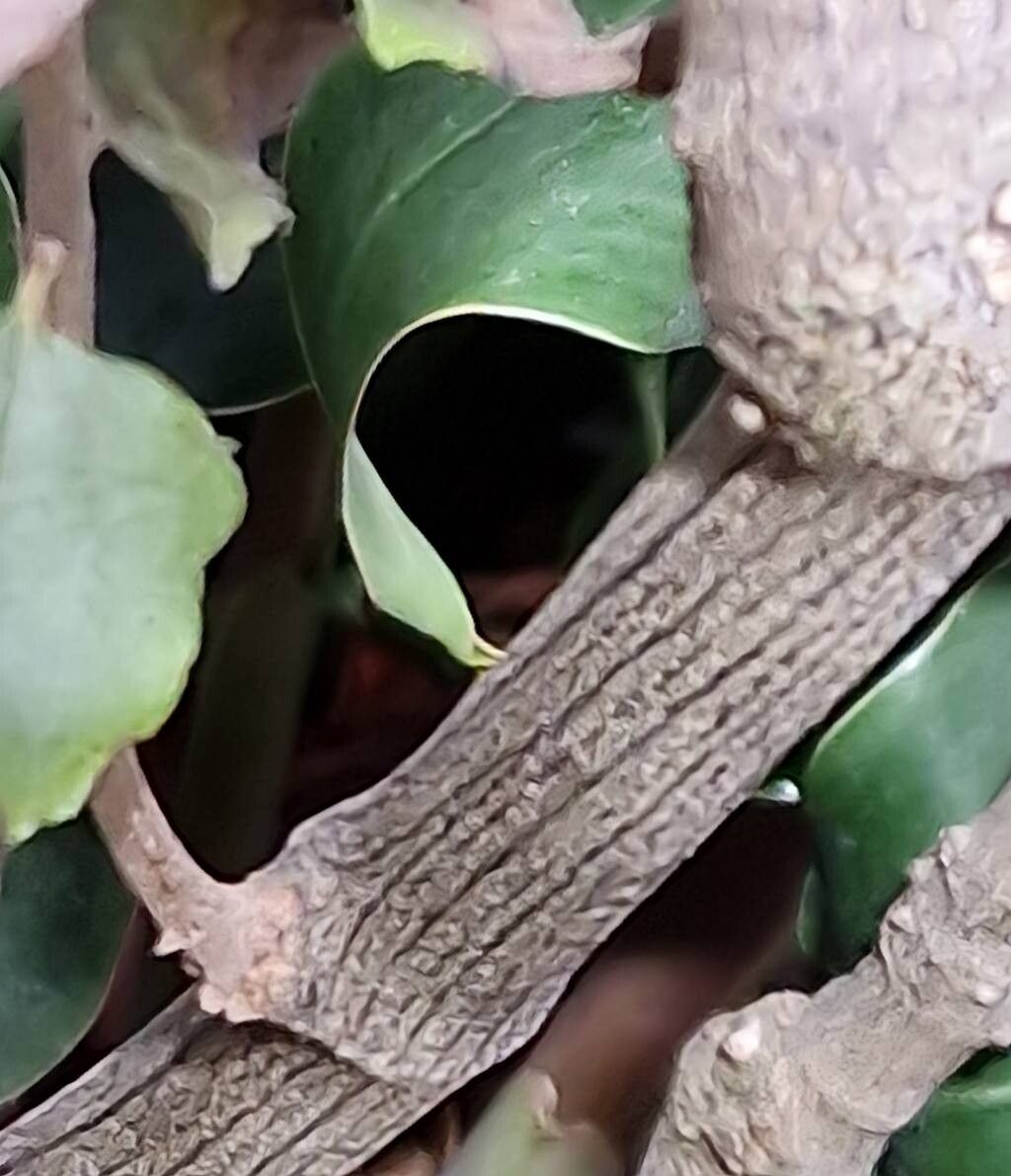
Oh, Podanthus mitiqui! What a gorgeous little charmer. If you’re looking for a plant that brings a touch of the wild and wonderful to your home, this is it. Those fuzzy, star-shaped flowers are just delightful. And the best part? Sharing that beauty with others, or simply having more of it for yourself, is absolutely doable through propagation. Don’t let the thought intimidate you; while it’s not quite as straightforward as a pothos, it’s wonderfully rewarding and perfectly achievable with a little patience.
The Best Time to Start
For Podanthus mitiqui, the sweet spot for propagation is undoubtedly late spring to early summer. This is when the plant is in its most vigorous growth phase. You’ll find it pushing out new stems and leaves with enthusiasm, which means the cuttings will have the energy they need to get going. Trying in the dead of winter just won’t yield the same happy results, as the plant is pretty much taking a nap.
Supplies You’ll Need
Gathering your tools before you start is key to a smooth operation. Here’s what I like to have on hand:
- Sharp, clean pruning shears or a razor blade: For making nice, clean cuts.
- Potting mix: A well-draining blend is crucial. I like to mix peat moss, perlite, and a bit of compost. Some folks swear by a cactus mix, and that works too!
- Small pots or seed trays: Anything that can hold your cuttings and the soil. Make sure they have drainage holes!
- Rooting hormone (optional but recommended): A powder or liquid to encourage root development.
- Plastic bags or a propagation dome: To create a humid environment.
- Watering can or spray bottle: For gentle watering.
- Labels and a marker: So you remember what you planted and when!
Propagation Methods
The most reliable way I’ve found to propagate Podanthus mitiqui is through stem cuttings. It’s straightforward and usually gives a good strike rate.
Taking Stem Cuttings:
- Find a healthy stem: Look for a non-flowering stem that’s about 4-6 inches long. It should feel firm, not bendy or soft.
- Make the cut: Using your sharp shears or razor blade, make a clean cut just below a leaf node. The leaf node is where the leaves attach to the stem, and it’s where roots are most likely to form.
- Prepare the cutting: Gently remove the lower leaves from the stem, leaving just the top few sets. This prevents them from rotting in the soil.
- Apply rooting hormone (if using): Dip the cut end into your rooting hormone. Tap off any excess.
- Plant the cutting: Make a small hole in your prepared potting mix and gently insert the cutting. Firm the soil around the stem to keep it upright. Don’t plant too deeply – just enough to cover the nodes where you removed the leaves.
- Water gently: Mist the soil lightly or water very gently so you don’t dislodge the cutting.
- Create humidity: Cover the pot with a plastic bag or place it under a propagation dome. This creates a little greenhouse effect, which is vital for success. Make sure the leaves aren’t touching the plastic!
Water Propagation (A Gentler Approach):
If you’re a bit nervous about soil, water propagation can be a fantastic starting point.
- Take your cutting (as described above): Ensure you still remove the lower leaves.
- Place in water: Put the prepared cutting in a clean glass or jar filled with room-temperature water.
- Position it correctly: The key here is to ensure no leaves are submerged in the water. Only the stem and nodes should be in contact with the water. Leaves sitting in water will just rot and likely kill the cutting.
- Change the water regularly: Every few days, change out the water to keep it fresh and prevent bacterial growth.
- Wait for roots: You should see tiny white roots starting to emerge from the nodes within a few weeks. Once the roots are about an inch long, you can transplant them into soil (using the same mix as for stem cuttings).
The “Secret Sauce” (Pro Tips)
Here are a couple of things I’ve learned over the years that can really make a difference:
- Bottom Heat is Your Friend: Podanthus mitiqui loves a bit of warmth from below. If you have a heat mat, placing your pots on it will significantly speed up root development. It mimics the cozy conditions of spring.
- Don’t Overwater, but Keep it Consistently Moist: This is a delicate balance. The soil should never be soggy, as this is a fast track to rot. But it also shouldn’t dry out completely. Think of it as a wrung-out sponge – consistently moist, never wet. Misting the leaves occasionally can also help maintain humidity.
Aftercare & Troubleshooting
Once you start seeing signs of new growth – little leaves unfurling or a gentle tug on the stem meeting resistance – that’s a good indicator that roots have formed!
- Gradually Acclimate: If you’ve been using a plastic bag or dome, start opening it up a little each day to gradually introduce the new plant to less humid air. This prevents shock.
- Move to a More Open Pot: Once the roots are well-established, you can transplant your new Podanthus mitiqui into a slightly larger pot with fresh soil.
- Watch for Rot: The most common pitfall is root rot. If your cutting turns black and mushy, or wilts drastically despite being watered, it’s likely rot. This is usually caused by overwatering or poor air circulation. Too much direct sun on a young cutting can also scorch it.
Happy Propagating!
Don’t get discouraged if your first attempt isn’t a runaway success. Gardening is a journey of learning and observation. Be patient with your little cuttings, give them the right conditions, and enjoy the process of creating new life. Soon enough, you’ll have a whole collection of these beautiful Podanthus mitiqui to share and admire!
Resource:
https://identify.plantnet.org/k-world-flora/species/Podanthus%20mitiqui%20Lindl./data