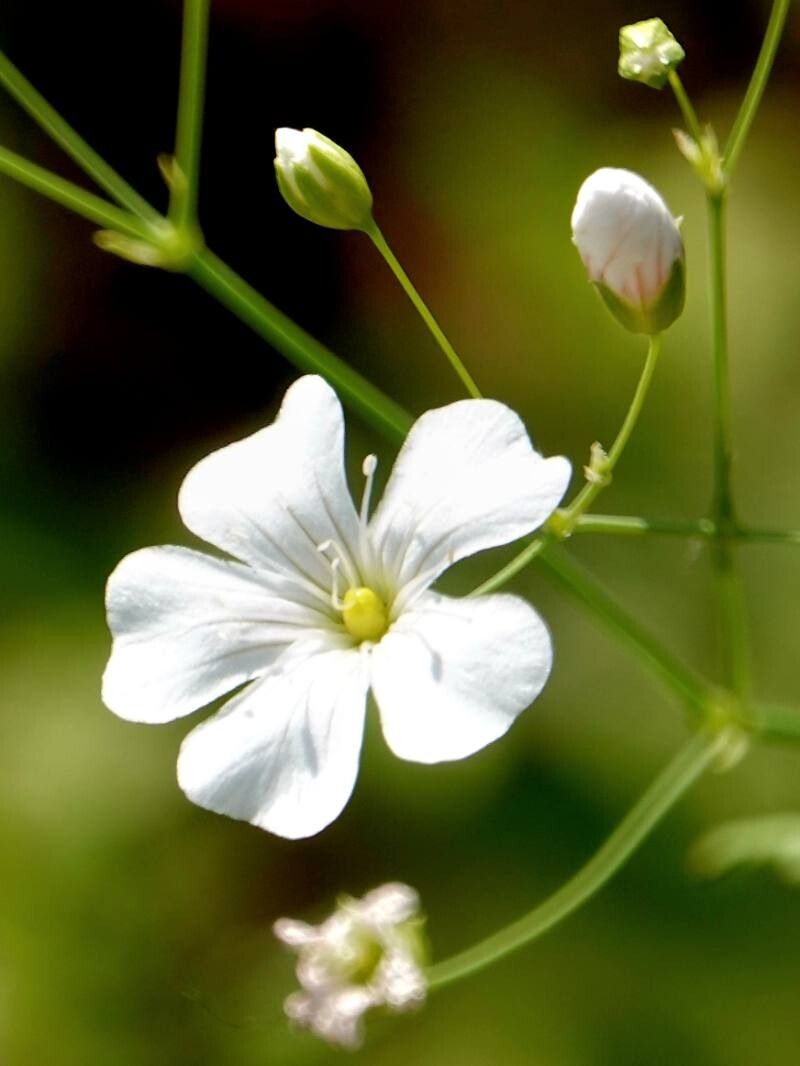
Oh, hello there! Grab a cuppa, and let’s chat about one of my absolute favorites: Gypsophila elegans, or as many of us affectionately call it, annual baby’s breath. Those delicate, cloud-like blooms are just pure magic in the garden, aren’t they? They fill in those gaps with airy charm, making any floral arrangement sing. And the best part? Propagating them is totally doable, even for us newer gardeners. It’s such a thrill to watch a tiny cutting or seed transform into a whole new plant. Think of it as growing your own little bouquets, right from scratch!
The Best Time to Start
For Gypsophila elegans, the easiest and most successful route is through seeds. Since it’s an annual, meaning it completes its life cycle in one year, starting from seed is the natural way to go. You can sow seeds directly outdoors in early spring, once the last hard frost has passed, or about 4-6 weeks before your last expected frost if you’re starting them indoors. This gives them plenty of time to establish before the heat of summer takes hold.
Supplies You’ll Need
Gathering your supplies is half the fun, right? Here’s what I always have on hand for propagating baby’s breath:
- Seed starting mix: A light, fluffy, well-draining mix is key. Avoid using heavy garden soil.
- Trays or small pots: Biodegradable pots are lovely if you plan to transplant them directly into the garden.
- Watering can with a fine rose: Gentle watering is essential so you don’t disturb those tiny seeds.
- Labels and a permanent marker: Trust me, you’ll thank yourself later!
- A warm, bright spot: A sunny windowsill or a grow light setup is perfect.
- Optional: A heat mat: This can really speed up germination, especially if your starting indoors in a cooler room.
Propagation Methods (The Seed Starting Way!)
Since Gypsophila elegans is an annual and best grown from seed, we’ll focus on that magic.
- Prepare your trays or pots: Fill them with your seed-starting mix, leaving about half an inch of space at the top. Gently firm the soil, but don’t pack it down.
- Sow the seeds: Sprinkle the tiny seeds evenly over the surface of the soil. They are quite small, so it’s easy to be generous. You can lightly press them into the soil, but don’t cover them too deeply – just a whisper of seed-starting mix on top is all they need.
- Water gently: Use your watering can with the fine rose to moisten the soil thoroughly. You want it damp, not waterlogged.
- Find the perfect spot: Place your trays in a warm location (around 65-70°F or 18-21°C). If you’re using a heat mat, place the trays on top of it.
- Be patient and keep moist: Check the soil daily. It should always feel slightly moist. If it starts to dry out, mist it gently with your watering can or a spray bottle.
- Watch for germination: You should see those little green sprouts emerge in about 7-14 days, sometimes a bit longer. This is where the excitement really kicks in!
The “Secret Sauce”
- Don’t over-water: This is probably the most common pitfall. Too much water can lead to damping-off, a fungal disease that wilts young seedlings. Keep the soil consistently moist, not soggy.
- Light is crucial once they sprout: As soon as you see those first tiny leaves (cotyledons), they need bright light. If you don’t have a super sunny windowsill, a grow light is a game-changer. Keep the light just a few inches above the seedlings to prevent them from getting leggy (tall and weak).
- Thinning is kind: Once your seedlings have a true set of leaves (the ones that look like mini versions of the mature plant), it’s time to thin them out. You want to give the strongest seedlings room to grow. Gently snip away the weaker ones at the soil line with small scissors. It might feel a bit brutal, but it’s for their own good!
Aftercare & Troubleshooting
Once your seedlings have developed a few sets of true leaves and are strong enough to handle, you can begin to harden them off if they were started indoors. This means gradually acclimatizing them to outdoor conditions over a week or two. Start by placing them outside in a sheltered spot for a few hours, then increase the time and exposure to sun each day.
If you see young seedlings suddenly collapsing at the soil line and turning mushy, that’s likely damping-off. Unfortunately, there’s not much you can do to save them once it takes hold. This is why prevention through good air circulation and avoiding over-watering is so important. Yellowing leaves can sometimes indicate a lack of nutrients or too much water, so keep an eye on their color.
Happy Growing!
There you have it! Propagating Gypsophila elegans from seed is a wonderful way to fill your garden with its airy charm. Don’t be discouraged if you have a few failures along the way; that’s just part of the learning curve for all of us gardeners. Be patient, enjoy the process of nurturing those tiny lives, and soon you’ll have armfuls of beautiful baby’s breath to enjoy. Happy gardening!
Resource:
https://identify.plantnet.org/k-world-flora/species/Gypsophila%20elegans%20M.Bieb./data