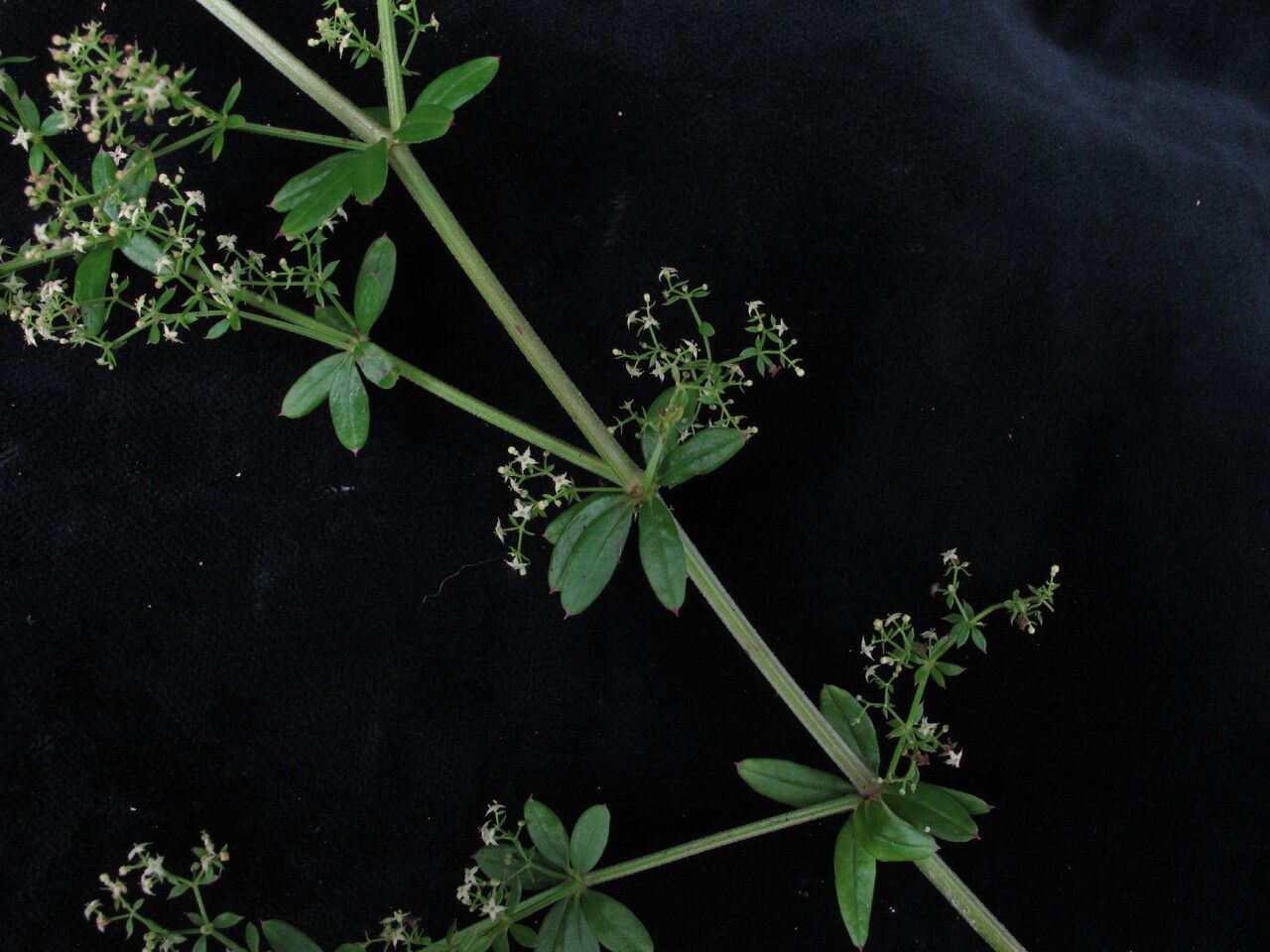
Oh, hello there! It’s so lovely to have you stop by my little corner of the internet. Today, we’re diving into something I’m really excited about: propagating Galium asperifolium. If you’ve ever admired this plant, with its delicate, star-like flowers and lovely trailing habit, you’re in for a treat. Growing your own from scratch is incredibly satisfying, and honestly, not as daunting as you might think!
Why Propagate Galium asperifolium?
There’s a special magic in coaxing a brand new plant into existence from a tiny piece of an existing one. For Galium asperifolium, it means you can easily expand your collection, share these beauties with friends, or fill in those bare spots in your garden that just need a touch of green magic. And the best part? This particular galium is quite forgiving, making it a wonderful plant for beginners eager to try their hand at propagation.
The Best Time to Start
My favorite time to start new Galium asperifolium plants is in late spring to early summer. This is when the plant is in its most vigorous growth phase. The stems are plump and full of energy, giving them the best chance to root successfully. You’re looking for healthy, new growth rather than old, woody stems.
Supplies You’ll Need
Gathering your supplies beforehand makes the whole process much smoother. Here’s what I usually have on hand:
- Sharp pruning shears or a clean knife: For taking clean cuts.
- Small pots or seed trays: With drainage holes, of course!
- Gritty, well-draining potting mix: I often use a blend of potting soil mixed with perlite or coarse sand.
- Rooting hormone (optional but helpful): A powder or gel can speed things up.
- Plastic bags or a propagation dome: To create a humid environment.
- Watering can or spray bottle: For gentle watering.
Propagation Methods
There are a couple of ways to go about this, but my go-to for Galium asperifolium is stem cuttings. It’s straightforward and gives fantastic results.
Stem Cuttings
- Take Your Cuttings: Using your sharp shears or knife, select healthy, non-flowering stems that are about 4-6 inches long. Make your cut just below a leaf node. A leaf node is where the leaves attach to the stem; this is where roots are most likely to form.
- Prepare the Cuttings: Gently remove the lower leaves from the bottom half of the cutting. You want to expose a few nodes. If your cuttings are very leafy, you can trim some of the larger leaves in half to reduce water loss.
- Apply Rooting Hormone (Optional): If you’re using rooting hormone, dip the cut end of each stem into the powder or gel. Tap off any excess.
- Plant the Cuttings: Fill your small pots with your gritty potting mix. Make a small hole in the center with your finger or a pencil. Insert the cut end of each stem into the hole, making sure at least one or two leaf nodes are buried in the soil. Gently firm the soil around the stem.
- Water Gently: Water the soil thoroughly but gently. You don’t want to dislodge your cuttings.
- Create Humidity: Place the pots inside a plastic bag, sealing it loosely, or use a propagation dome. This creates a mini-greenhouse effect, keeping the humidity high, which is crucial for cuttings to root.
The “Secret Sauce” (Pro Tips)
Now, for a few little tricks that I’ve learned over the years.
- The “No Drowning” Rule: When taking cuttings, make sure no leaves are touching the soil or water if you choose to root in water (which I usually don’t recommend for this plant due to rot risk). Leaves submerged will quickly rot and can take the whole cutting down with them.
- Bottom Heat is Your Friend: While not strictly necessary, placing your pots on a gentle heat mat can significantly speed up the rooting process. It mimics natural soil warmth and signals to the plant that it’s time to grow!
Aftercare & Troubleshooting
Once your cuttings are planted and nestled into their humid haven, be patient!
- Keep them Moist, Not Soggy: Check the soil regularly. It should feel consistently moist but not waterlogged. If using the plastic bag method, you might only need to water every week or two. If you see condensation building up excessively, open the bag for a few hours to let it air out.
- Watch for Roots: In a few weeks, you should start to see signs of rooting. You can gently tug on a cutting – if there’s resistance, it’s likely rooted. If you’re brave, you can even peek at the drainage holes to see if roots are emerging.
- Signs of Trouble: The most common issue is rot. If a cutting turns mushy, black, or smells foul, it’s best to discard it. This usually happens if the soil is too wet or there’s not enough air circulation. If your cuttings look wilted and dry, but you’ve been keeping them moist, they might not have rooted, or the conditions might be too dry.
A Little Patience Goes a Long Way
Propagating plants is a journey, and each new plant is a triumph. Don’t be discouraged if a few don’t make it; that’s part of the learning process. Celebrate the ones that do, and enjoy watching your little Galium asperifolium babies grow into their own. Happy gardening!
Resource:
https://identify.plantnet.org/k-world-flora/species/Galium%20asperifolium%20Wall./data