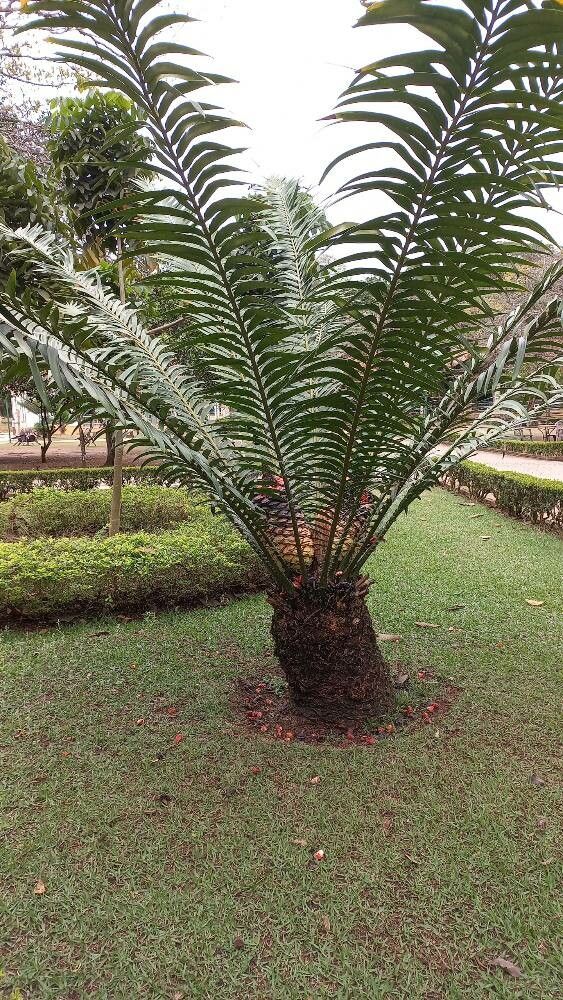
Oh, hello there! It’s so lovely to have you stop by. Today, we’re going to talk about a truly magnificent plant: Encephalartos tegulaneus. If you haven’t encountered one before, imagine a cycad with a stately, almost architectural presence, often adorned with striking, textured cones. They bring a touch of the ancient world right into our gardens, and honestly, seeing one unfurl a new frond is just pure magic.
Now, I know the thought of propagating something as impressive as an Encephalartos tegulaneus might sound a bit daunting, and for absolute beginners, it can be a touch challenging. These aren’t your everyday bedding plants, but with a little patience and the right approach, it is so incredibly rewarding to bring new life into being from an existing beauty. Trust me, the feeling of success is immense!
When to Get Your Hands Dirty
For Encephalartos tegulaneus, the absolute best time to start propagating is during their active growing season. This typically falls in late spring through summer, when the plant is naturally putting out new energy and growth. You’ll know it’s the right time because you’ll see signs of new fronds emerging or a general robust health about the mother plant. Trying to propagate when they’re dormant is rarely as fruitful.
What You’ll Need to Gather
Before we dive in, let’s make sure we have our toolkit ready. This is what I always keep on hand:
- Sharp pruning shears or a clean, sharp knife: For making clean cuts. Disinfect them before and after use – this is crucial!
- Rooting hormone (optional but recommended): Look for one formulated for woody plants or cacti and succulents if you can’t find one specific to cycads.
- A well-draining potting mix: A blend of coarse sand, perlite, and a good quality potting soil works wonders. Think gritty!
- Small pots or propagation trays: Make sure they have drainage holes.
- Watering can or mister: For gentle hydration.
- Gloves: To protect your hands from any sap.
- A sheltered spot: Out of direct, harsh sun but with good light.
- A willingness to be patient!
Diving into Propagation Methods
Encephalartos tegulaneus usually propagates most successfully through offsets, also known as pups. These are the small, baby plants that emerge from the base of the mature cycad.
- Locate the Offsets: Gently clear away some of the soil around the base of your Encephalartos tegulaneus. You’re looking for those smaller, side-grown plants that have their own base where they attach to the parent.
- Prepare Your Tools: Make sure your pruning shears or knife are spotlessly clean and sharp. This minimizes the risk of disease.
- The Detachment: Carefully cut the offset away from the mother plant. Try to make a clean cut as close to the parent as possible, without damaging the mother plant too severely.
- Let It Callus: This is a super important step! Place the detached offset in a dry, shaded, and well-ventilated spot for several days, or even a week or two. You’ll see the cut end start to dry out and form a protective scab, or callus. This prevents rot when you plant it.
- Planting Time: Once the cut end has callused over nicely, you can plant your offset. Fill your prepared pot with your well-draining mix. Make a small hole in the center and gently insert the callused end of the offset, firming the soil around it. Don’t bury it too deep; you want the base to be snug but not submerged excessively.
The “Secret Sauce” You Won’t Find Everywhere
Here are a couple of things I’ve learned over the years that make a real difference:
- Resist the Urge to Water Immediately: After planting, I wait a few days to a week before the very first watering. This gives the callused end another chance to dry a bit more if needed and helps prevent that dreaded rot from setting in from day one. When you do water, do it gently.
- Think Like a Desert Dweller: These plants are used to periods of dryness. While they need moisture to establish, overwatering is their biggest enemy. Let the soil dry out considerably between waterings. A good rule of thumb is to check the top inch or two of soil – if it feels dry, it’s likely time for a drink.
Aftercare and What to Watch For
Once your offset is planted, the real waiting game begins. Keep it in that sheltered spot with bright, indirect light. Water very sparingly at first. You’re looking for signs of new growth – a tiny frond emerging is your cue that roots are forming! This can take several months, so be patient.
The main culprit for failure is root rot. You’ll know you’re heading in that direction if the offset starts to look mushy, discolored, or smells foul. If you see this, gently unpot it, trim away any rotted parts with your clean knife, and let it callus again before replanting in fresh, dry soil.
Go Forth and Grow!
Propagating these incredible Encephalartos tegulaneus is a journey, not a race. It requires a gentle touch, a keen eye, and a whole lot of patience. But when you see that first new frond unfurl, or when you walk past your new little cycad thriving, you’ll know it was absolutely worth it. Enjoy the process, my friends – happy gardening!
Resource:
https://identify.plantnet.org/k-world-flora/species/Encephalartos%20tegulaneus%20Melville/data