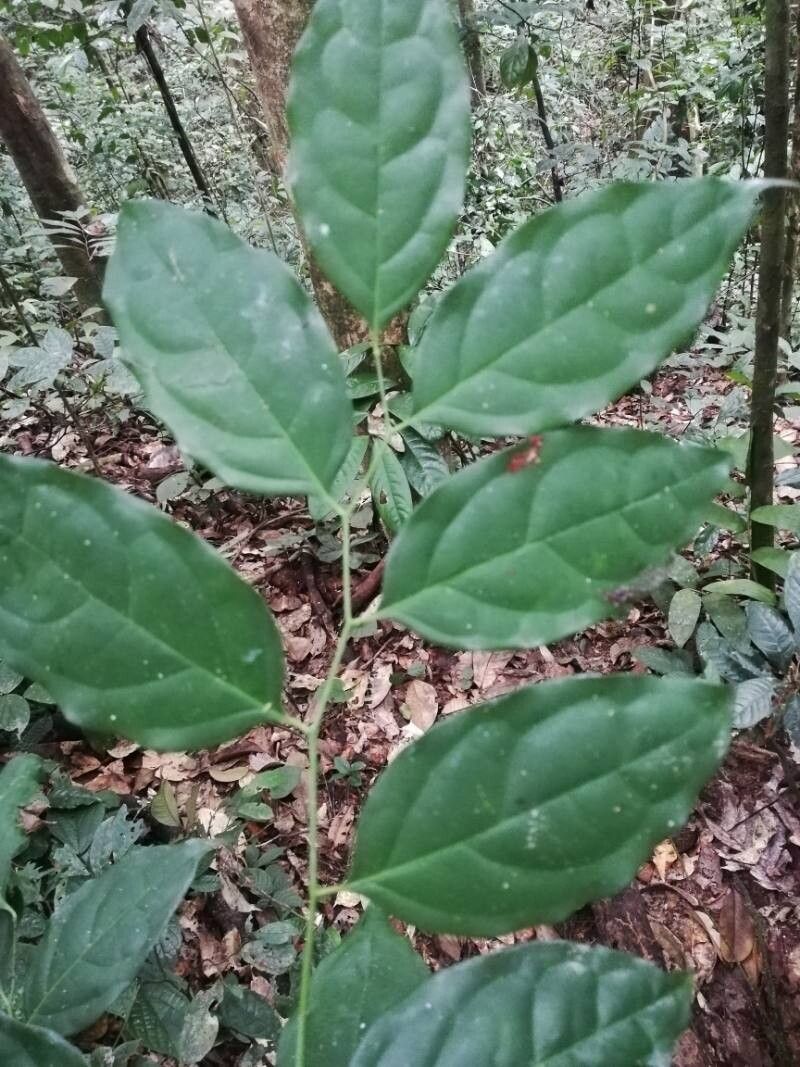
Hello fellow garden enthusiasts! I’m so excited to chat with you today about a little gem that’s captured my heart over the years: Diospyros crassiflora, often called the African Ebony. If you’re looking for a plant with a touch of the exotic, a tree that offers striking foliage and a certain resilience, then this is it. The deep green, leathery leaves are simply stunning, and there’s a real satisfaction in coaxing a new tree to life from just a small piece of another.
Now, for the honest truth: propagating Diospyros crassiflora isn’t quite a “stick it in the ground and walk away” kind of project. It can be a bit of a challenge for absolute beginners, but don’t let that deter you! With a little patience and a few key techniques, you can absolutely achieve success. The reward of seeing your own little ebony tree sprout is truly magnificent.
The Best Time to Start
For Diospyros crassiflora, late spring to early summer is your golden window. This is when the plant is actively growing, or “in its vegetative growth phase.” You want to take cuttings from stems that are firm and have started to mature, but are not yet woody. Think of it as catching the plant at its peak energy! Starting too early or too late might mean your cuttings don’t have the vigor they need to establish roots.
Supplies You’ll Need
Gathering your supplies beforehand makes the whole process much smoother. Here’s what I like to have on hand:
- Sharp, sterile pruning shears or a clean knife: For making clean cuts.
- Rooting hormone powder or gel: This is crucial for encouraging root development.
- A well-draining potting mix: A blend of peat moss, perlite, and a bit of coarse sand works beautifully. You want something that holds moisture but doesn’t become waterlogged.
- Small pots or seed trays: Clean, good-sized pots (around 4-6 inches) are ideal.
- Plastic bags or a clear dome: To create a humid environment for your cuttings.
- Watering can with a fine rose: To water gently without disturbing the cuttings.
- Optional: Bottom heat mat: This can significantly speed up root formation.
Propagation Methods: Stem Cuttings
This is generally the most successful and straightforward way to propagate Diospyros crassiflora.
- Take Your Cuttings: On a bright, sunny morning (after the dew has dried), select a healthy stem that’s about 4-6 inches long. Make a clean cut just below a leaf node (where a leaf attaches to the stem). You want at least two or three nodes on each cutting.
- Prepare the Cuttings: Gently remove the lower leaves, leaving just a couple of leaves at the very top. This helps prevent rot and reduces water loss. If the remaining leaves are quite large, you can even cut them in half horizontally.
- Apply Rooting Hormone: Dip the cut end of the stem into your rooting hormone, ensuring it’s coated well. Tap off any excess.
- Plant Your Cuttings: Fill your pots with your prepared potting mix. Make a small hole with a pencil or your finger in the center. Insert the cutting into the hole, firming the soil gently around it.
- Provide Humidity: Water the soil thoroughly. Then, cover the pot with a clear plastic bag (supported by stakes so it doesn’t touch the leaves) or place it under a clear dome. This creates a mini-greenhouse effect, keeping the humidity high, which is essential for cuttings that can’t yet absorb water through roots.
- Find the Right Spot: Place your pots in a bright location with indirect sunlight. Avoid direct sun, as it can scorch the delicate cuttings.
The “Secret Sauce” (Pro Tips)
Alright, here are a couple of tricks I’ve learned over the years that can make all the difference:
- Bottom Heat is Your Friend: If you can swing it, using a bottom heat mat is a game-changer. This gently warms the soil, encouraging those roots to sprout much faster and more reliably. It mimics the warmth of spring soil.
- Watch for the “Wilt Test”: Sometimes, even with humidity, your cuttings might look a bit droopy. Before you panic and overwater, try this: gently bend one of the leaves. If it snaps cleanly, it’s probably too dry and not yet rooting. If it bends limply, it’s still got good turgor pressure and is likely just adjusting. This tells you whether to increase humidity or if things are going south.
Aftercare & Troubleshooting
Once you see new leaf growth appearing, that’s a fantastic sign that roots are forming! This usually takes anywhere from 4 to 8 weeks, sometimes longer. Don’t rush to repot them! Let them get established in their initial pot.
When you’re ready to transplant into slightly larger pots, do so gently. Continue to keep them in bright, indirect light and maintain good humidity for a few more weeks.
The most common issue you might encounter is rot. This usually happens if the soil is too wet and there isn’t enough air circulation. You’ll see the stem turn mushy and black at the soil line. If you spot this, unfortunately, that cutting is likely lost. The best preventative is a well-draining soil mix and not overwatering. If your cuttings are wilting excessively and not recovering, it could mean they aren’t successfully rooting, or they are getting too much direct sun.
A Encouraging Closing
Propagating plants is a journey, and sometimes it involves a few misses before we get that perfect strike. Diospyros crassiflora is worth the effort, I promise! Be patient with your little seedlings, observe them closely, and celebrate every bit of new growth. Happy gardening, and may your African Ebodies flourish!
Resource:
https://identify.plantnet.org/k-world-flora/species/Diospyros%20crassiflora%20Hiern/data