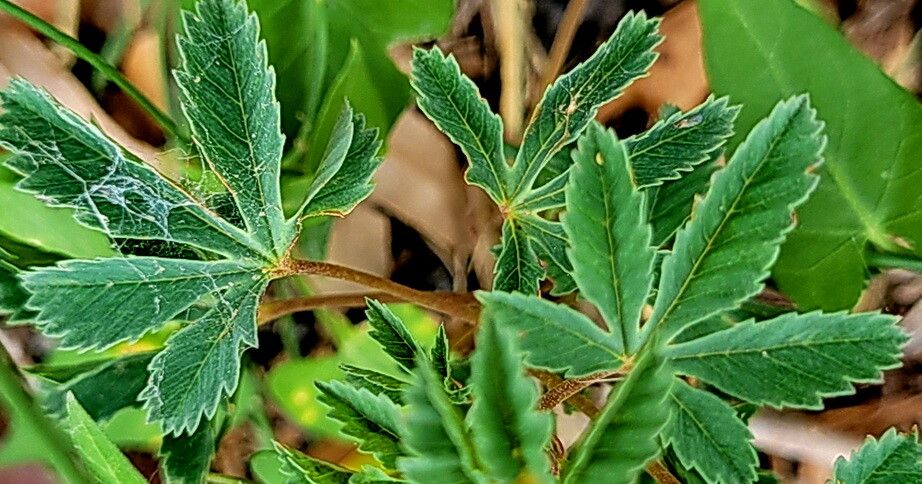
Title: Growing Golden Trumpets: Your Easy Guide to Propagating Cochlospermum wrightii
Hello, fellow garden enthusiasts! Today, I want to talk about a plant that truly brings a burst of sunshine into any landscape: Cochlospermum wrightii. You might know it as the common Buttercup Tree, and oh, the glorious golden blooms it offers! I’ve been nurturing these beauties for years, and I can tell you, propagating them is a wonderfully rewarding experience. If you’re a beginner looking for a new project, you’re in luck. Cochlospermum wrightii is surprisingly forgiving, and with a little guidance, you’ll be well on your way to creating your own little golden army.
The Best Time to Start
For the highest success rate, I always recommend taking cuttings in late spring or early summer. This is when the plant is actively growing and full of vigor. You want to be looking for stems that are still somewhat flexible – not too soft and new, but not woody and old either. Think of it as that perfect stage of growth, bursting with life and ready to make new beginnings.
Supplies You’ll Need
Gathering your supplies beforehand makes the whole process so much smoother. Here’s what I usually have on hand:
- Sharp, clean pruning shears or a sharp knife: Crucial for making clean cuts, which helps prevent disease.
- Rooting hormone powder (optional but helpful): Especially for woodier cuttings. Look for one formulated for hardwood or semi-hardwood cuttings.
- A well-draining potting mix: I often use a 50/50 mix of perlite and coco coir. You could also use a commercial seed-starting mix.
- Small pots or propagation trays: Clean pots are a must!
- Plastic bags or a propagation dome: To create a humid environment.
- Watering can with a fine rose: For gentle watering.
- A sunny windowsill or a spot with bright, indirect light.
Propagation Methods: Let’s Get Planting!
We’ll focus on the method that’s given me the most consistent results: stem cuttings.
- Selecting Your Cuttings: Look for healthy, non-flowering stems that are about pencil-thick and 6-8 inches long. Use your clean pruning shears to make a cut just below a leaf node. A leaf node is that little bump on the stem where a leaf grows from; roots often emerge from these points.
- Preparing the Cuttings: Gently remove the lower leaves from the cutting. If the leaves are very large, you can even cut them in half crosswise. This reduces water loss while the cutting works on developing roots. Now, here’s where you can add a little extra confidence: dip the cut end into rooting hormone powder, tapping off any excess.
- Planting the Cuttings: Make a small hole in your prepared potting mix with your finger or a pencil. Carefully insert the cut end of the stem, ensuring it’s deep enough that it will stand upright. It’s good practice to have at least one or two leaf nodes buried in the soil.
- Creating a Humid Environment: Gently water the soil until it’s lightly moist, not waterlogged. Then, cover the pots with a clear plastic bag (propped up so it doesn’t touch the leaves) or place them in a propagation dome. This creates the humid microclimate that will encourage rooting.
- Placement: Put your pots in a location that receives bright, indirect light. Avoid direct, harsh sun, which can scorch the delicate cuttings.
The “Secret Sauce” (Pro Tips)
Here are a few things I’ve learned over the years that I find make a real difference:
- Don’t let any leaves touch the water inside the humidity dome or bag. If they sit in condensation for too long, they’re prone to rot. Give them a little space!
- Consider bottom heat. If you have a propagation mat, placing your pots on top of it can significantly speed up the rooting process. It mimics the warmth of the soil in summer and encourages root development from below.
- Be patient and resist the urge to tug! It’s tempting to check for roots by gently pulling on the cutting, but this can disturb delicate new growth. Wait until you see clear signs of new leafy growth before you try to test for root development.
Aftercare & Troubleshooting
Once you start seeing new leaf growth, that’s a fantastic sign that roots are forming! You can gradually introduce your new plants to less humid conditions by opening the plastic bag or dome a little bit each day over a week. Keep the soil consistently moist but not soggy.
The most common issue you’ll encounter is rot. If a cutting turns mushy and black, sadly, it’s likely rotten and won’t recover. This usually happens due to overwatering or poor drainage. Always remember that well-draining soil and not drowning your cuttings are key. If you see some leaves wilting, don’t despair immediately. Continue with the humid environment and bright light; sometimes, they just need a little time to adjust.
A Warm Farewell
Propagating Cochlospermum wrightii is a journey of patience and observation. Don’t be disheartened if your first few attempts aren’t perfect. Every gardener learns through experience, and the joy of seeing a tiny cutting blossom into a vibrant plant is truly unparalleled. So, get your hands dirty, embrace the process, and soon you’ll be surrounded by your very own golden trumpets. Happy gardening!
Resource: