Hello fellow plant lovers!
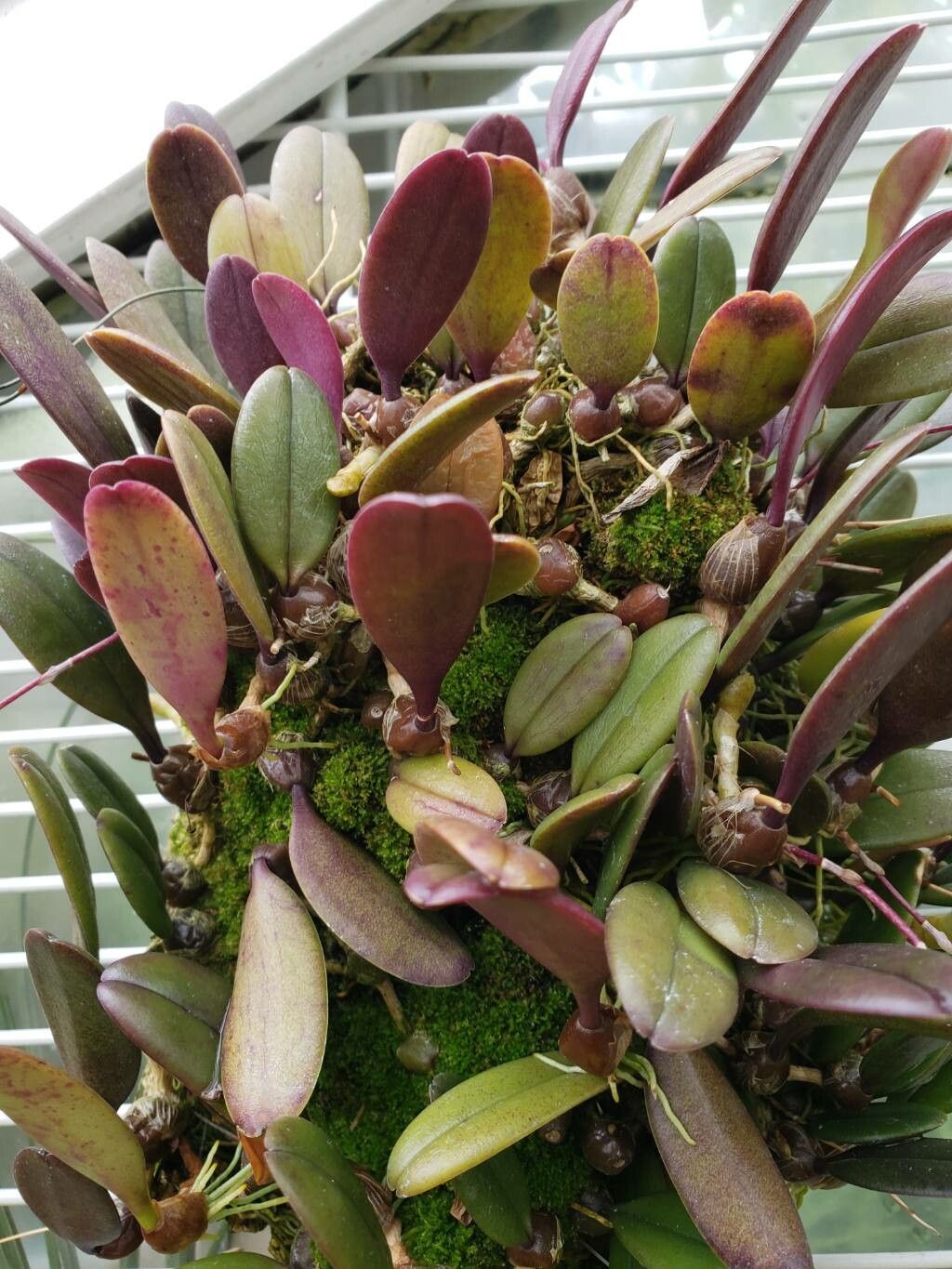
Today, we’re diving into the wonderful world of Bulbophyllum corolliferum. This little orchid is a gem with its delicate, whimsical blooms that truly resemble a tiny flower crown. If you’ve ever admired its unique beauty, you might be wondering if you can create more of these treasures. The good news is, yes, you can! Propagating Bulbophyllum corolliferum is a truly rewarding experience, allowing you to share this joy with friends or simply build your own collection. Now, is it a breeze for a complete beginner? I’d say it leans towards intermediate. It requires a bit of finesse and understanding of its needs, but don’t let that discourage you! With a little patience and the right approach, you’ll be successful.
The Best Time to Start
For Bulbophyllum corolliferum, the sweet spot for propagation is definitely during its active growing season. This typically falls in the late spring and summer months. You’ll know your plant is ready when you see new growths, or “pseudobulbs,” starting to emerge, and new roots peeking out. Starting when the plant is energized and ready to put on a growth spurt significantly increases your chances of success. Avoid propagating when the plant is dormant or stressed.
Supplies You’ll Need
Gathering your tools beforehand makes the whole process smoother. Here’s what I always have on hand:
- Sharp, sterile pruning shears or a razor blade: For clean cuts, preventing disease.
- Orchid bark mix: A very well-draining mix is crucial. I often use a specific mix for Bulbophyllum that includes fine bark, perlite, and a bit of charcoal.
- Small pots or community trays: Whatever you’ll be potting your new divisions or cuttings into.
- Sphagnum moss (optional but helpful): For some methods, it helps retain a little moisture.
- Rooting hormone (optional): While not strictly necessary for division, it can give cuttings a helpful boost.
- Spray bottle: For misting.
- Gloves (optional): If you prefer.
- A clean work surface: To keep everything hygienic.
Propagation Methods
The most common and successful way to propagate Bulbophyllum corolliferum is through division. This orchid grows in a sympodial manner, meaning it forms new growths from the base, connected by a creeping rhizome.
Method: Division
- Gently remove the orchid from its pot: Turn the pot upside down and gently tap the sides. If it’s stuck, you might need to carefully slice around the edges with a knife.
- Inspect the rhizome: Look for sections of the plant that have at least 2-3 healthy pseudobulbs and existing roots. You want to divide the plant into manageable pieces, but not too small. A rhizome connection should be visible even if it’s a bit stretched.
- Make the cut: Using your sterile pruning shears or razor blade, carefully cut through the rhizome between the divisions. Make sure each division has enough healthy roots to support it. If the rhizome is thick, you might need to gently work it apart with your fingers or a small tool after making a partial cut.
- Potting up the divisions: Let the cut surfaces of the divisions air dry for a day or two in a well-ventilated spot. This helps them callus over and prevents rot.
- Plant your new orchid: Place each division into its own pot filled with your well-draining orchid bark mix. Position them so the base of the pseudobulbs is at or slightly above the surface of the mix, and the roots are spread out.
The “Secret Sauce” (Pro Tips)
These little tricks have made all the difference for me over the years:
- Don’t over-pot: When dividing, resist the urge to put a tiny division into a huge pot. It encourages overwatering and can lead to root rot. Start smaller, and you can always repot into a larger container as it grows.
- Embrace the airflow: Bulbophyllum corolliferum absolutely dislikes stagnant air. Ensure that wherever you pot your new divisions, there’s good air circulation. Even if you’re misting, don’t let water sit in leaf axils or on the pseudobulbs for too long without air movement.
- The patience game with rhizomes: Sometimes, the rhizome can be very woody and tough. If you struggle to cut through it cleanly, gently twist and pull the sections apart. The key is a clean break rather than a ragged tear if possible.
Aftercare & Troubleshooting
Once your divisions are potted up, provide them with similar conditions to the mother plant, but with a bit more care.
- Watering: Water moderately after potting. Keep the potting mix slightly moist but never soggy. You’ll want to water more frequently initially to encourage root development, but always let it drain thoroughly.
- Light: Place them in bright, indirect light. Direct sun will scorch them.
- Humidity: Maintain good humidity, but again, with plenty of airflow.
- Fertilizing: Wait a few weeks before fertilizing. Start with a diluted orchid fertilizer at half strength.
Common Signs of Trouble:
- Rot: This is the most common enemy. If you see mushy, blackening pseudobulbs or roots, it’s a sign of too much moisture and not enough airflow. Inspect the roots, trim away any rotted parts, and repot into fresh, drier medium.
- Wilting: Can indicate underwatering, but also shock. Check the roots – if they are dry and shriveled, water immediately. If they are mushy, it’s rot.
- No new growth: This is often a sign of impatience! Orchids can take time to establish. Ensure its light, water, and temperature needs are met.
A Little Encouragement
Remember, propagation is a journey, not a race. Be patient with your new Bulbophyllum corolliferum divisions. Each one is a little miracle, a testament to your nurturing hands. Enjoy the process, celebrate the small victories (like seeing that first tiny root!), and soon you’ll have a thriving collection of these delightful orchids. Happy growing!
Resource:
https://identify.plantnet.org/k-world-flora/species/Bulbophyllum%20corolliferum%20J.J.Sm./data