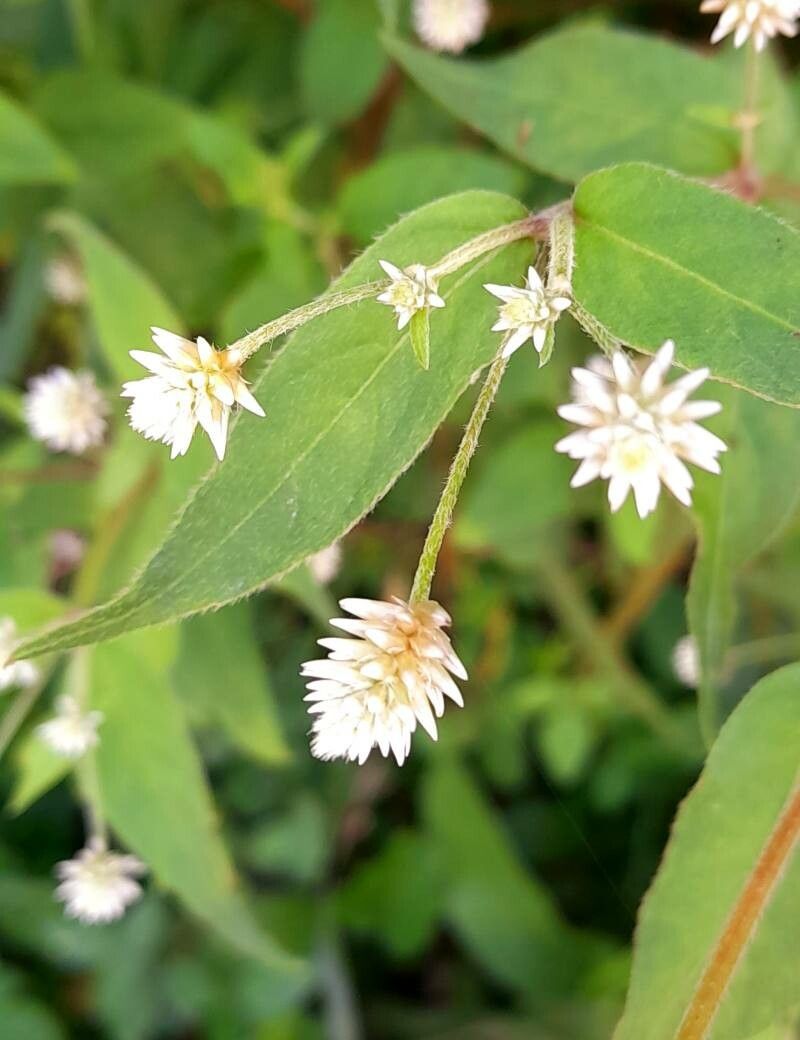
Hello, garden friends! Today, I want to chat about a plant that brings such vibrant color to my garden beds and containers: Alternanthera lanceolata. You might know it by its common names, like Brazilian Red or Joseph’s Coat. I just love the way its foliage pops against greens and whites, adding that punchy, jewel-toned contrast we all crave.
If you’ve ever admired its dazzling hues and thought, “I wish I had more of that!”, then you’re in luck. Propagating Alternanthera lanceolata is surprisingly easy, making it a fantastic project for beginners and seasoned gardeners alike. It’s so rewarding to take a snippet from a thriving plant and watch it transform into its own flourishing beauty.
The Best Time to Start
For the absolute best success, I always aim to propagate Alternanthera lanceolata during its active growing season. This typically means late spring through summer. When the plant is really putting on growth and soaking up sunshine, it has plenty of energy to put into developing new roots. You want to take cuttings when the stems are firm but not woody – that “softwood” stage is prime time.
Supplies You’ll Need
Gathering your materials beforehand makes the whole process smoother. Here’s what I usually have on hand:
- Sharp Pruning Shears or a Clean Knife: For making clean cuts.
- Rooting Hormone (Optional but Recommended): A powder or gel that encourages root development.
- Well-Draining Potting Mix: I prefer a blend of equal parts peat moss or coco coir and perlite. You can also use a seed-starting mix.
- Small Pots or Trays: With drainage holes, of course!
- Plastic Bags or a Clear Dome: To create a humid environment.
- Watering Can with a Fine Rose or a Spray Bottle: For gentle watering.
Propagation Methods
Alternanthera lanceolata is wonderfully amenable to propagation by stem cuttings. This is my go-to method for multiplying these beauties.
Stem Cuttings:
- Select Your Cuttings: Find healthy, non-flowering stems on your mother plant. Look for stems that are about 4 to 6 inches long.
- Make the Cut: Using your clean shears or knife, make a cut just below a leaf node. This is where roots are most likely to form.
- Prepare the Cutting: Gently remove the lower leaves from the cutting, leaving just a few at the top. This prevents them from rotting in the soil. If the remaining leaves are very large, I sometimes snip them in half to reduce water loss.
- Apply Rooting Hormone (Optional): Dip the cut end of the stem into your rooting hormone, tapping off any excess.
- Plant the Cutting: Moisten your potting mix so it’s damp but not soggy. Make a small hole in the mix with a pencil or your finger and insert the cutting, ensuring at least one leaf node is buried. Firm the soil gently around the stem.
- Create Humidity: Water gently to settle the soil. Then, cover your pots with a clear plastic bag (making sure the leaves don’t touch the plastic) or place them under a clear dome. This creates a mini-greenhouse effect, keeping the cuttings moist.
- Provide Light: Place the cuttings in a bright spot with indirect light. Avoid direct sun, which can scorch the delicate new cuttings.
Water Propagation: This is an even simpler method, and Alternanthera roots pretty readily in water for me.
- Take Cuttings: Follow steps 1 and 2 from the stem cutting method.
- Remove Lower Leaves: Just as before, remove all leaves that would be submerged in water.
- Place in Water: Put the cuttings in a clean jar or glass of water. Crucially, ensure no leaves are touching the water. Leaves submerged will quickly rot and can take down your whole cutting.
- Change Water Regularly: Change the water every few days to keep it fresh and oxygenated.
- Watch for Roots: You should start seeing small white roots emerge from the nodes within a couple of weeks. Once the roots are about an inch long, you can pot them up into your well-draining potting mix, treating them like newly potted cuttings.
The “Secret Sauce” (Pro Tips)
Here are a few little tricks I’ve learned over the years that really bump up the success rate:
- Bottom Heat is Your Friend: If you have a heat mat designed for seedlings, popping your seed trays or pots on top of it can make a huge difference. That gentle warmth encourages root growth much faster and more reliably.
- Don’t Be Afraid of a Little “Trim”: If a cutting looks a bit leggy or has too many leaves at the top, don’t hesitate to give it another small trim. Sometimes, reducing the leaf mass further helps the plant focus its energy on root development.
- Mist, Don’t Drown: While humidity is key, the goal is moist not soggy. Overwatering at this stage is a fast track to rot. I prefer to mist the inside of the plastic bag or the dome daily if the soil looks a bit dry, rather than watering the soil directly.
Aftercare & Troubleshooting
Once you start seeing new leaf growth on your cuttings, it’s a good sign that roots have formed. You can gently tug on a cutting; if there’s resistance, roots are developing!
- Gradual Acclimation: Begin to gradually increase ventilation by opening the plastic bag or dome a little each day. This helps your new plants get used to normal humidity levels.
- Watering: Once they are fully acclimated, water them as you would a mature plant – when the top inch of soil feels dry.
- Fertilizing: Wait about a month after they’ve been potted up and established before giving them a light feeding with a balanced liquid fertilizer.
The main issue you might encounter is rot. This usually happens if the cuttings are kept too wet or if the leaves are submerged in water. Brown, mushy stems are a clear sign of rot. If you see this, unfortunately, that cutting is likely lost. Remove it immediately to prevent it from spreading to others and reassess your watering and humidity levels. Another sign of struggle is if the leaves start to yellow and wilt significantly without any signs of new growth – this could indicate poor rooting or too much direct sun.
A Little Patience Goes a Long Way
Propagating plants is a little bit science, a little bit magic, and a whole lot of patience. Don’t get discouraged if every single cutting doesn’t make it. It’s all part of the learning journey. Celebrate the successes, learn from the challenges, and most importantly, enjoy the process of bringing more of these gorgeous Alternanthera into your garden. Happy propagating!
Resource: