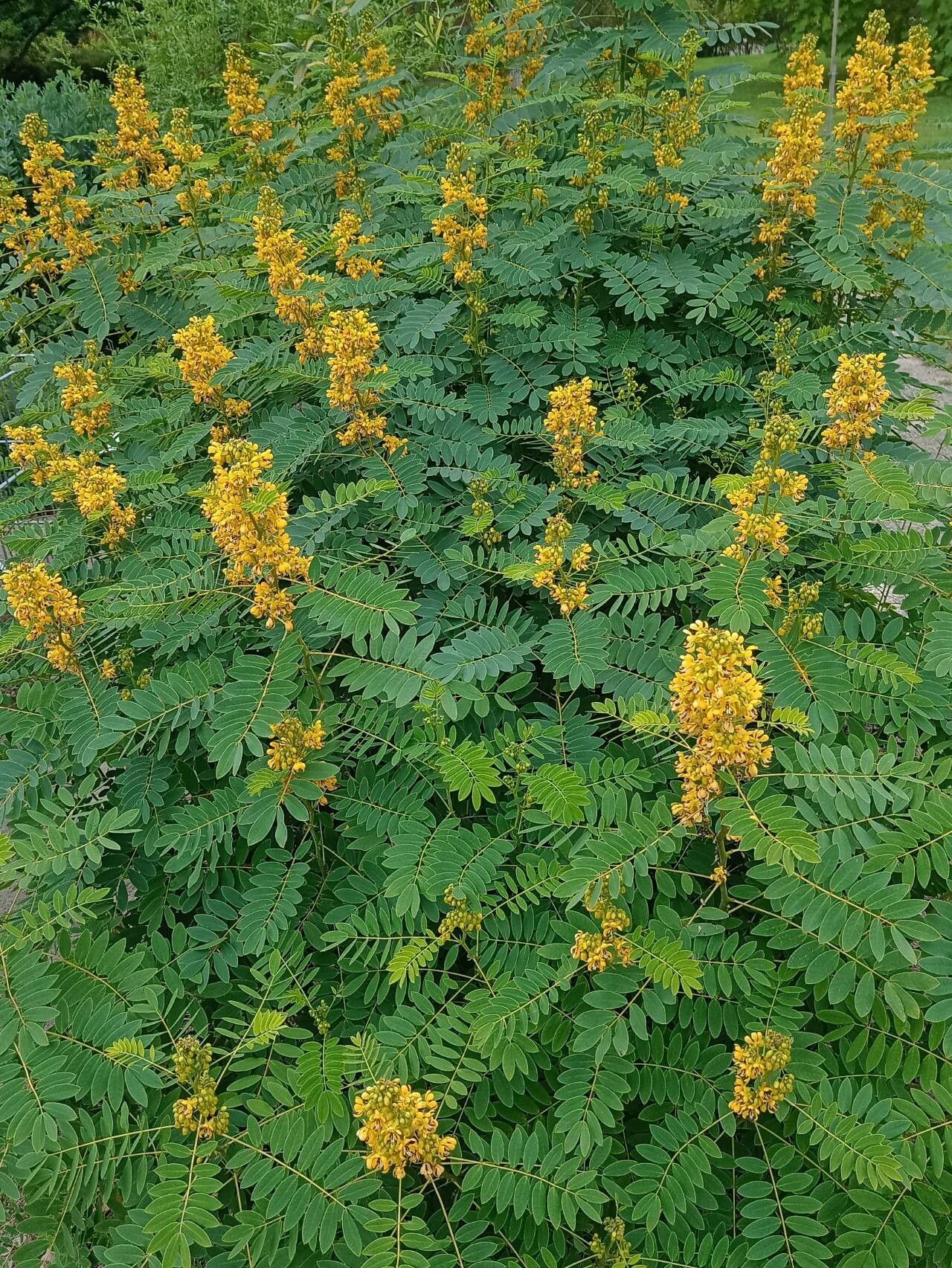
Hello there, fellow plant lovers! It’s wonderful to have you join me today. We’re diving into the delightful world of Senna hebecarpa, also known as Wild Senna or American Senna. If you’ve ever admired its bright, cheerful yellow blooms and airy foliage gracing sunny meadows or your own garden, you’re in for a treat. Propagating this beauty is not only incredibly rewarding but surprisingly achievable, even for those of you just dipping your toes into the plant propagation pond. It’s a plant that generously shares its offspring, and I find it a very forgiving subject to work with!
The Best Time to Start
When it comes to coaxing new Senna hebecarpa plants into existence, spring is your golden ticket. This is when the plant is bursting with new growth and has that vital energy to push out roots. I find trying to propagate from softer, new growth in late spring or early summer yields the best results. You want those stems to be firm enough to hold their shape, but not so woody and mature that they’re slow to respond.
Supplies You’ll Need
Gathering your tools beforehand makes the whole process much smoother. Here’s what I usually have on hand:
- Sharp pruning shears or a clean knife: For taking cuttings.
- Rooting hormone (optional, but recommended): This can give your cuttings a nice little boost. Look for a powder or gel.
- A well-draining potting mix: I love a blend of equal parts peat moss or coco coir, perlite, and a little bit of compost. You want it to hold moisture without becoming waterlogged.
- Small pots or trays: For your cuttings to start their new lives. Make sure they have drainage holes!
- Clear plastic bags or a propagator lid: To create a humid environment.
- Labels: To remind yourself what you planted and when!
Propagation Methods
Senna hebecarpa is wonderfully versatile, and I’ve had success with a couple of key methods.
Stem Cuttings
This is my go-to for increasing my collection.
- Take Cuttings: In the spring or early summer, select healthy, non-flowering stems. Using your sharp shears, take cuttings that are about 4-6 inches long. Make your cut just below a leaf node (where a leaf attaches to the stem). This is where roots tend to emerge.
- Prepare the Cuttings: Gently remove the leaves from the bottom half of each cutting. You want to expose those nodes. If the remaining leaves are very large, you can cut them in half to reduce water loss through transpiration.
- Apply Rooting Hormone (Optional): Dip the cut end of each stem into your rooting hormone, tapping off any excess.
- Plant Your Cuttings: Fill your small pots with your prepared potting mix. Make small holes with your finger or a pencil.
- Insert Cuttings: Place the cuttings into the holes, ensuring the nodes are buried in the soil. Gently firm the soil around them.
- Water and Cover: Water the soil thoroughly until it’s evenly moist. Then, cover the pots with a clear plastic bag or place them in a propagator. This keeps humidity high, which is crucial for cuttings that haven’t developed roots yet.
Division
If you have an established Senna hebecarpa plant, dividing it is a fantastic way to get more plants and also rejuvenate the parent.
- Dig Up the Plant: In early spring, before new growth gets too vigorous, carefully dig around the base of the plant.
- Isolate Root Sections: Gently lift the entire plant out of the ground. You’ll see clumps of roots and stems.
- Divide the Roots: Using a clean, sharp spade or even your hands, separate the root ball into sections. Each section should have a good amount of roots and at least one or two healthy stems. Aim for sections that are roughly fist-sized.
- Replant Immediately: Plant the divided sections into their new homes, either back in the garden or into pots. Water them well.
The “Secret Sauce” (Pro Tips)
Here are a few little tricks I’ve picked up over the years that can really make a difference:
- Bottom Heat is Your Friend: While not strictly necessary for Senna, placing your pots on a heating mat specifically designed for plants can significantly speed up root development. It mimics the warmth of spring soil and encourages those roots to emerge much faster. You can often find these online or at garden centers.
- Keep it Humid, But Not Soggy: The plastic bag or propagator lid is vital for creating that humid microclimate. However, you don’t want the soil to be a swamp. Check the moisture regularly and water only when the top inch of soil feels dry. If you see condensation building up excessively, you can briefly lift the bag to allow for some air exchange.
- Patience with the Parent: When taking cuttings from your main plant, try not to take too many at once, especially if the plant is still establishing itself. Giving the parent plant a chance to recover between harvests will ensure its continued health and future flowering.
Aftercare & Troubleshooting
Once you see new leaf growth appearing from your cuttings, that’s a fantastic sign that roots have formed! At this point, you can gradually acclimate them to normal humidity by slowly opening the plastic bag or propagator lid over a few days.
Keep the soil consistently moist but not waterlogged. You can begin to water them a bit less frequently as they establish. Once they look robust and have a decent root system (you might even see roots peeking out of the drainage holes), you can transplant them into slightly larger pots or into their permanent garden spot.
The most common issue you might encounter is rot. This usually happens if the soil stays too wet or the humidity is too high for too long without proper air circulation. If a cutting looks limp, yellow, or mushy, it’s likely succumbed to rot. Don’t be disheartened! It happens. Just discard the affected cutting and try again, perhaps adjusting your watering or humidity levels.
A Encouraging Closing
Propagating plants is truly a joyful journey, and Senna hebecarpa is a wonderful companion for that journey. Don’t be afraid to experiment, and remember that nature has its own pace. A little bit of patience, the right conditions, and a touch of persistence will have you sharing these beautiful yellow blossoms with friends and family in no time. Happy propagating!
Resource: