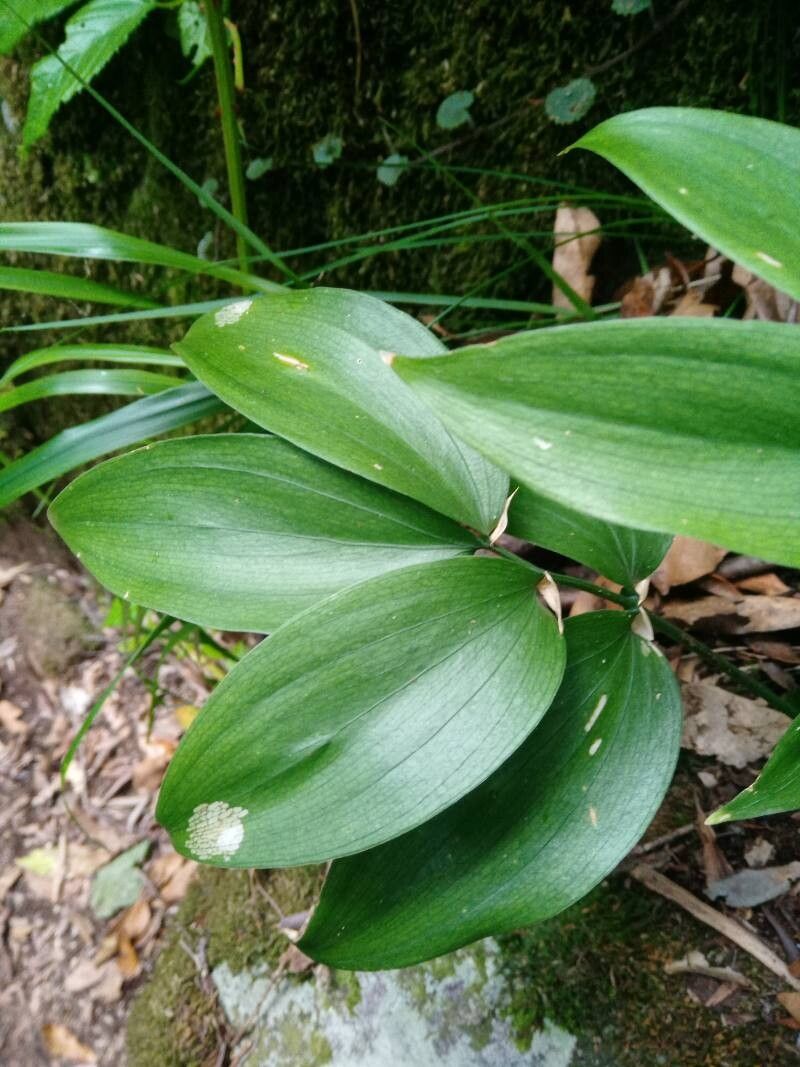
Hey there, fellow plant enthusiasts! It’s so lovely to connect with you today. I’ve been digging in the dirt, so to speak, for about two decades now, and I’m always thrilled to share what I’ve learned. Today, we’re diving into the wonderful world of propagating Ruscus streptophyllus, also known as the Meditteranean Butcher’s Broom. If you’re drawn to its glossy, dark green foliage and elegant, almost architectural form, you’ll be delighted to know you can multiply this beauty for yourself!
Why Propagate Ruscus streptophyllus?
There’s a special kind of magic in coaxing a new life from an existing plant. Ruscus streptophyllus is particularly rewarding because its unique structure makes it a real statement piece. Plus, imagine filling your garden or home with more of these striking plants, or sharing them with friends! Now, is it a beginner plant? Honestly, it’s not the absolute easiest for a complete novice, but with a little attention and patience, it’s definitely achievable and incredibly satisfying.
The Best Time to Start
When it comes to coaxing new roots onto your Ruscus, think late spring to early summer. This is when the plant is in an active growth phase, and its energy is all about pushing out new shoots. Starting your cuttings now gives them a great head start on establishing themselves before the cooler months arrive.
Supplies You’ll Need
Before we get our hands dirty, let’s gather our tools. You don’t need a whole lot, but having the right things makes all the difference:
- Sharp, clean pruning shears or a knife: For making precise cuts.
- Rooting hormone: (Optional, but highly recommended for Ruscus) A powder or liquid that encourages root development.
- Well-draining potting mix: A good blend for cuttings would be about 50% peat moss or coco coir and 50% perlite or coarse sand. This ensures plenty of aeration.
- Small pots or trays: Terracotta pots are lovely as they breathe, but plastic ones work too. Make sure they have drainage holes!
- Clear plastic bags or a propagator: To create a humid environment for your cuttings.
- Water: For misting and, well, watering!
- Gloves: If you prefer to keep your hands clean.
Propagation Methods
Ruscus streptophyllus is most often propagated from stem cuttings. It’s a tried-and-true method that works wonderfully for this plant.
1. Taking Cuttings:
- Choose a healthy stem from a mature Ruscus plant. Look for a stem that’s firm and has new growth, but isn’t overly soft.
- Using your sharp, clean shears, take a cutting that is about 4-6 inches long. Make the cut just below a leaf node (where a leaf attaches to the stem).
- Gently remove the lower leaves from the cutting, leaving just two or three at the top. This prevents them from rotting in the soil and encourages the plant to focus its energy on rooting.
2. Preparing the Cutting:
- If you’re using rooting hormone, dip the cut end of the stem into the powder or liquid. Tap off any excess. This stuff is like a little encouragement boost for root growth!
3. Planting the Cuttings:
- Fill your small pots or trays with your well-draining potting mix.
- Moisten the soil thoroughly but don’t make it soggy.
- Using your finger or a pencil, make a hole in the soil deep enough for the cutting.
- Carefully insert the cut end of the Ruscus cutting into the hole.
- Gently firm the soil around the base of the cutting.
- Water lightly to settle the soil.
4. Creating a Humid Environment:
- This is where the magic really happens! Cover the pot or tray with a clear plastic bag, creating a mini-greenhouse. You can also use a propagator lid.
- Make sure the leaves don’t touch the sides of the bag if possible. This helps prevent rot.
- Place your cuttings in a spot with bright, indirect light. Avoid direct sun, which can scorch them.
The “Secret Sauce” (Pro Tips)
Now, for a few little secrets I’ve picked up along the way that can really boost your success rate:
- Bottom Heat is Your Friend: If you have a gentle heat mat designed for seedlings, placing your pots on it can significantly speed up root development. Ruscus likes it a bit warm while it’s trying to grow roots, and bottom heat mimics that cozy soil temperature.
- Don’t Rush the Transplant: Patience is key! It can take anywhere from 6 weeks to several months for your Ruscus cuttings to develop a good root system. You’ll know they’re ready when you feel gentle resistance when tugging lightly on the cutting, or you see tiny roots peeking out of the drainage holes.
- Mist Regularly, But Don’t Drown: While the humidity under the plastic is crucial, it’s a good idea to lightly mist the cuttings and the inside of the bag every few days, especially in drier environments. Just enough to keep things moist, not wet.
Aftercare & Troubleshooting
Once you see signs of new growth – tiny leaves unfurling or that gentle resistance when tugging – congratulations! Your cutting has rooted.
- Acclimate Gradually: Before removing the plastic bag completely, start by opening the top for a few hours each day to let the cutting adjust to drier air.
- Potting Up: Once acclimated, transplant your rooted cutting into a slightly larger pot with a good quality potting mix. Treat it like a young plant, providing consistent moisture and bright, indirect light.
- Watch for Rot: The most common issue you might encounter is rot. If you see your cutting turning brown and mushy, or if the soil seems perpetually waterlogged, it’s usually a sign of too much moisture and not enough drainage or air circulation. Unfortunately, once rot sets in, it’s hard to save. This is why that good draining mix and avoiding overwatering are so important from the start.
A Little Green-Thumb Encouragement
Propagating plants is an act of faith and a wonderful way to deepen your connection with nature. Ruscus streptophyllus might take a little time and care, but seeing those first signs of roots is incredibly rewarding. Be patient with yourself and the process. Happy propagating, and may your new Ruscus thrive!
Resource:
https://identify.plantnet.org/k-world-flora/species/Ruscus%20streptophyllus%20Yeo/data