Hey there, fellow plant lovers!
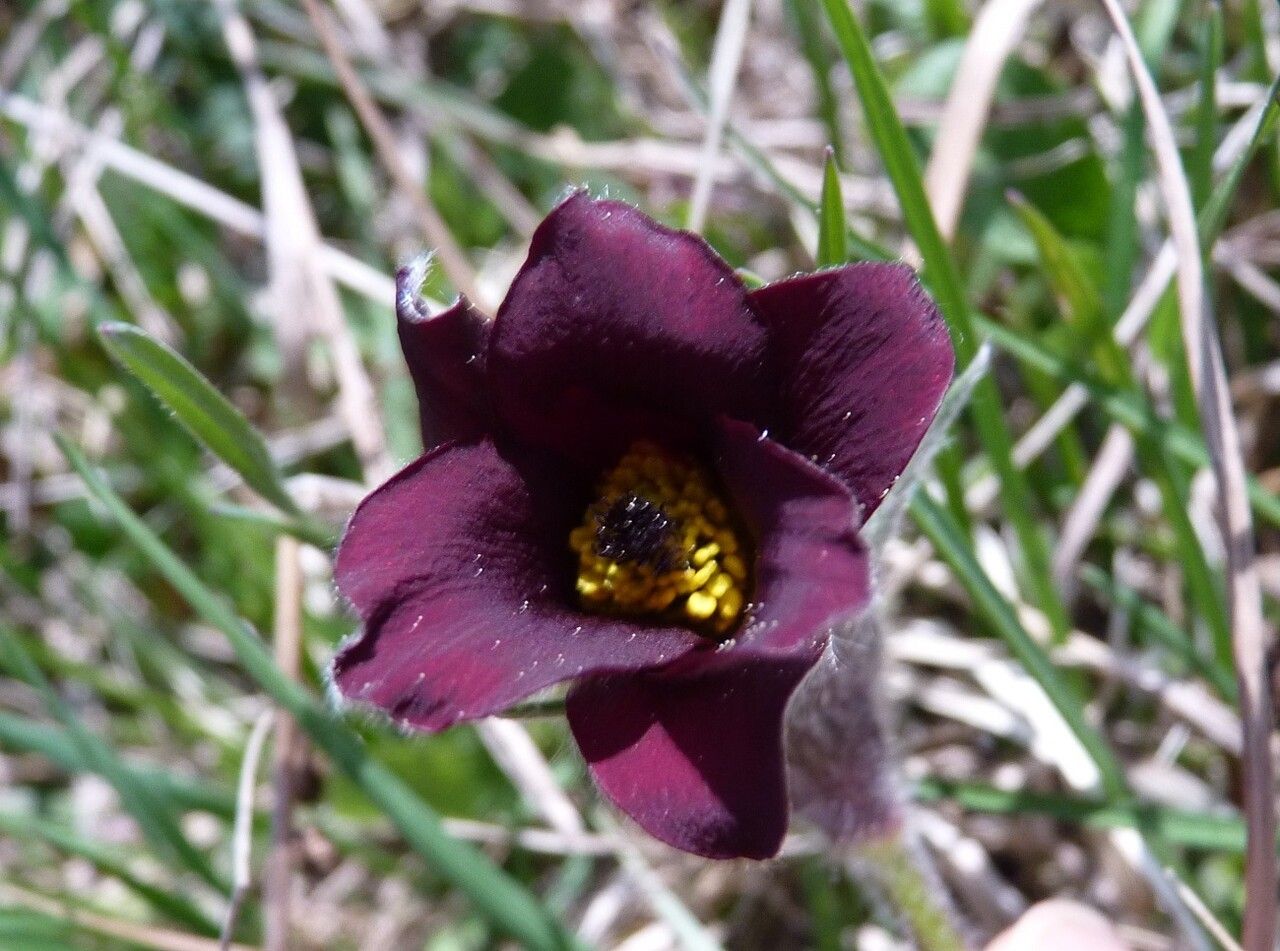
I’m so excited to chat with you today about a truly special plant – the Pulsatilla rubra, or as it’s commonly known, the Red Pasqueflower. I’ve been growing these beauties for two decades now, and every spring, when those delicate, ruby-red bells unfurl, it just brightens my whole world. They have this wild charm, don’t they? Plus, the fuzzy seed heads that follow are just as captivating.
Now, if you’re thinking about growing your own little patch of these beauties, you’ll be happy to know that propagating Pulsatilla rubra is a wonderfully rewarding endeavor. While it’s not the absolute easiest plant to get going from scratch, especially for a complete beginner, it’s certainly achievable with a little patience and the right approach. Think of it as a fun challenge that will deepen your connection with these unique blooms.
The Best Time to Start
Timing is everything, as they say in the garden. For Pulsatilla rubra, I find the spring months, just as the plant is finishing its bloom cycle, are the absolute best time to start propagating. You’re looking for those plants that are actively growing but before they get too stressed by summer heat. Alternatively, sowing seeds in late summer or early fall also works well, allowing them to stratify over winter and germinate in the spring.
Supplies You’ll Need
Don’t worry, you won’t need a whole greenhouse full of fancy equipment. Here’s what I always have on hand:
- Seed starting mix: A well-draining, sterile mix is key. I usually blend peat moss, perlite, and a bit of compost.
- Small pots or seedling trays: Clean ones are a must to prevent disease.
- Pruning shears or a sharp knife: For clean cuts if you’re trying cuttings.
- Rooting hormone (optional but helpful): Especially if you’re attempting stem cuttings.
- Watering can with a fine rose: To water gently without disturbing seedlings.
- Soft brush or spoon: For handling tiny seeds.
- Labels and a permanent marker: To keep track of your efforts!
Propagation Methods
Pulsatilla rubra can be propagated in a couple of ways, but for most home gardeners, I recommend these two:
1. From Seed (My Preferred Method for Pulsatilla): These plants are happiest when started from seed.
*   **Gather your seeds:** Once the fuzzy seed heads have fully developed and the plant is drying out, carefully collect the seeds. They often have fluffy pappus attached, which you can gently remove.
*   **Stratify (if sowing in containers):** If you're sowing seeds indoors for spring germination, you’ll want to **give them a period of cold stratification**. Mix the seeds with a little moist peat moss and place them in a plastic bag in the refrigerator for about 4-6 weeks.
*   **Sow your seeds:** Fill your pots or trays with your seed starting mix. Sprinkle the seeds on the surface and cover them with a light dusting of the mix.
*   **Water gently:** Water thoroughly from the bottom, letting the moisture wick up.
*   **Provide the right conditions:** Keep your pots in a bright, cool spot. I like to sit mine in a tray of water, ensuring the soil stays consistently moist but not waterlogged. Germination can be a bit erratic, taking anywhere from a few weeks to a few months. Be patient!
2. Division (For Established Plants): If you have a mature Pulsatilla, you can often divide it.
*   **The best time:** This is best done in **early spring** before the plant gets too vigorous, or in **late fall** after the foliage has died back.
*   **Carefully excavate:** Gently dig around the base of the established plant, being careful not to damage the creeping root system too much.
*   **Separate the sections:** Using your hands or a clean trowel, carefully pull apart the root ball into smaller sections. Each section should have at least one healthy bud or shoot.
*   **Replant immediately:** Plant the divisions into well-draining soil, giving them a good watering.
The “Secret Sauce” (Pro Tips)
Here are a few little tricks I’ve learned over the years that can really boost your success:
- Don’t bury seeds too deep! Pulsatilla seeds love a bit of light to germinate, so a very thin covering is all they need. Pressing them gently into the surface is often enough.
- Bottom heat can work wonders for germination. If you’re struggling to get seeds to sprout, placing your seed trays on a gentle heating mat (around 60-70°F) can really encourage them. Just be sure to monitor moisture closely.
- Don’t be disheartened by slow germination. Pulsatilla seeds can be notoriously slow to sprout. I’ve had seedlings pop up months after I thought they were a lost cause. Keep them consistently moist and in a cool, bright spot – good things come to those who wait!
Aftercare & Troubleshooting
Once your little Pulsatilla rubra seedlings start to emerge, or your divisions are planted, it’s time for gentle aftercare.
- Light: Gradually introduce them to more light, but avoid direct, harsh sun for young seedlings. A bright windowsill or a spot with dappled shade is perfect.
- Watering: Continue to keep the soil consistently moist but never soggy. As they grow, you can reduce watering frequency slightly, but always check the soil moisture before watering.
- Potting up: When your seedlings have a few sets of true leaves and are starting to look a bit crowded, it’s time to pot them up into larger individual pots. Use a slightly richer compost here.
Now, what if things don’t go as planned? The most common culprit for seedlings is damping off, a fungal disease that causes young stems to rot at the soil line. This is usually caused by overwatering and poor air circulation. Make sure your soil has excellent drainage and avoid letting seedlings sit in water. If you see signs of damping off, remove the affected seedlings immediately to prevent spread and improve air circulation around the remaining ones.
A Encouraging Closing
Propagating Pulsatilla rubra is a journey, not a race. There will be moments of excitement with new growth and maybe a few head-scratching moments too. But trust me, seeing those first fuzzy new plants emerge, or the established ones bounce back after division, is incredibly satisfying. So, get your hands dirty, give it a go, and enjoy the slow, beautiful unfolding of these wonderful Red Pasqueflowers. Happy gardening!
Resource:
https://identify.plantnet.org/k-world-flora/species/Pulsatilla%20rubra%20(Lam.)%20Delarbre/data