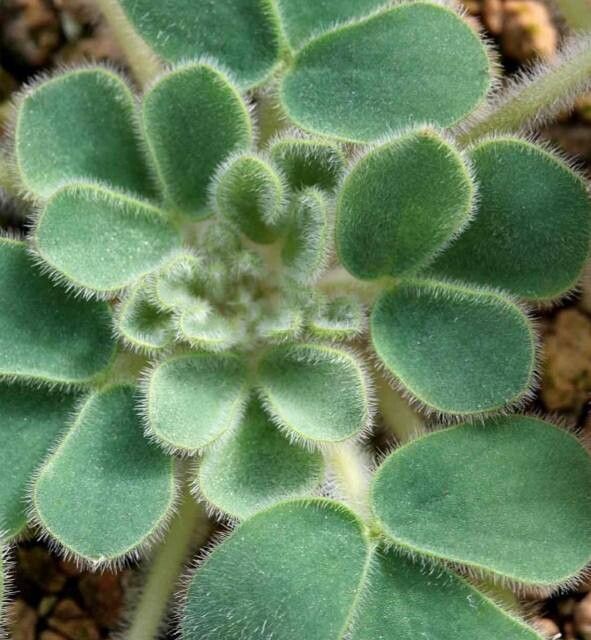
Oh, Oxalis ambigua! If you’ve ever seen those delicate, clover-like leaves unfurling, maybe with a hint of purple underneath, you know it’s a charmer. And if you’re thinking about bringing more of this beauty into your life, you’ll be delighted to know that propagating Oxalis ambigua is a really rewarding experience. It’s not overly tricky, actually, making it a lovely project for those just dipping their toes into the world of propagation. You’ll be amazed how quickly you can fill up a small pot!
The Best Time to Start
My absolute favorite time to propagate Oxalis ambigua is in the spring, when the plant is really hitting its stride after a winter’s rest. You’ll see fresh, vigorous growth popping up. You can also try it in early summer, but avoid the peak heat of August if you can. The key is to start when the plant is actively growing and has plenty of energy.
Supplies You’ll Need
Here’s what I always have on hand:
- A sharp, clean pair of pruning shears or scissors. For tiny Oxalis, even a craft knife can work.
- Well-draining potting mix. I like a blend of peat moss, perlite, and a bit of compost. You can also use a good quality seed-starting mix.
- Small pots or trays with drainage holes.
- Rooting hormone (optional, but it can give you a boost!).
- Spray bottle for misting.
- A label and pen to mark your new babies.
Propagation Methods
Oxalis ambigua is quite forgiving, and you have a couple of excellent ways to multiply your plants.
1. Stem Cuttings
This is my go-to method for Oxalis ambigua.
- First, find a healthy, Pliant stem on your mature plant. Look for one that’s not too woody but has some good length to it, at least 3-4 inches.
- Using your sharp tool, make a clean cut just below a leaf node. This is where the magic of roots forming will happen.
- Gently remove the lower leaves from the cutting. You want to leave just a couple of sets of leaves at the top.
- If you’re using it, dip the cut end into rooting hormone. Just a light dusting is usually enough.
- Now, make a small hole in your prepared potting mix with a pencil or your finger.
- Insert the cutting into the hole, ensuring the leaf node is buried slightly.
- Gently firm the soil around the cutting.
- Lightly water the soil to settle it in.
2. Division
If your Oxalis ambigua has become quite bushy and starts to look a bit crowded in its pot, division is a fantastic way to get more plants and refresh the mother plant.
- Gently remove the entire plant from its pot. You might need to tap the sides to loosen it.
- Carefully tease apart the root ball. You’ll see the rhizomes or small tuber-like structures.
- Separate the plant into smaller sections, making sure each section has some healthy roots and at least a few leaves attached. Don’t be afraid to gently pull them apart; if they’re tougher, you might need to use your clean shears.
- Pot each division into its own small pot with fresh, well-draining soil.
The “Secret Sauce” (Pro Tips)
Here are a few things I’ve learned over the years that make a big difference:
- Don’t let the leaves touch the water! If you’re doing water propagation (though I rarely use it for Oxalis ambigua as cuttings root so easily in soil), make sure no leaves are submerged. They’ll just rot. For soil cuttings, this just means keeping the leaves above the surface.
- A touch of humidity goes a long way. I like to pop a clear plastic bag over my pots of cuttings, creating a mini-greenhouse. Just be sure to vent it daily for a few minutes to prevent mold.
- Be patient with bottom heat. If you’re an indoor grower and your space is a bit cooler, placing your pots on a heat mat designed for seedlings can significantly speed up root development. It mimics that lovely spring warmth.
Aftercare & Troubleshooting
Once your cuttings or divisions have been potted, keep the soil consistently moist but not waterlogged. This is crucial. A light misting with your spray bottle every day or two will help keep things happy, especially if you’ve enclosed them.
You’ll know they’re taking root when you see new growth starting to emerge. This can take anywhere from a few weeks to a couple of months, so don’t get discouraged if it’s not immediate!
The most common issue you’ll face is rot. If your cutting looks limp and mushy, or if the soil stays soggy for too long, it’s a sign of overwatering. If you catch it early, you can try to remove the rotten part and repot in dry soil. Sometimes, unfortunately, it’s a lost cause, but that’s just part of the learning curve.
A Encouraging Closing
Growing more of these delightful little plants is such a joy. Remember to be patient with your new Oxalis ambigua babies. Each one is a little miracle taking shape under your care. Enjoy the process, celebrate the successes, and don’t be too hard on yourself if a cutting doesn’t make it. You’re creating green life, and that’s pretty special. Happy propagating!
Resource:
https://identify.plantnet.org/k-world-flora/species/Oxalis%20ambigua%20Jacq./data