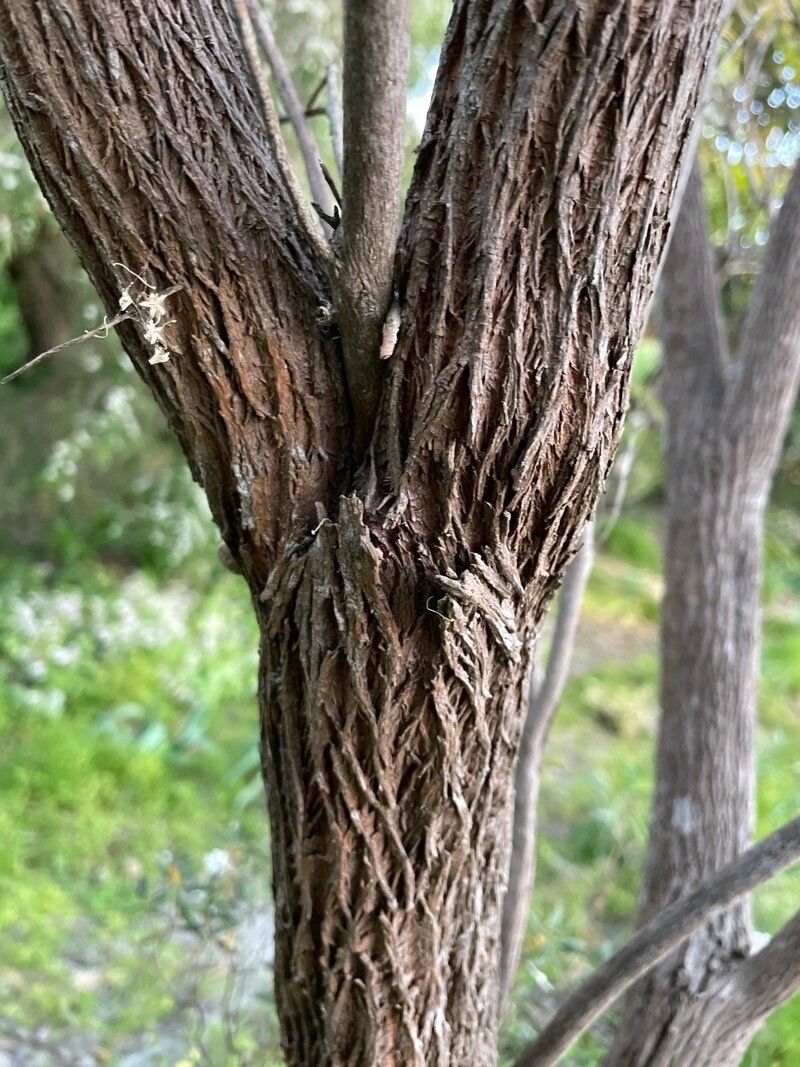
Oh, Leucopogon parviflorus! What a treat to talk about this beauty. You know, for the longest time, I thought this lovely native shrub was a bit of a mystery, a plant reserved for the truly dedicated. But let me tell you, once you get the hang of it, propagating Leucopogon parviflorus, or Coastal Beard-heath as some call it, is an incredibly rewarding experience. It’s not a difficult plant to work with, really. If you’re new to plant propagation, this is a great one to try. You’ll soon have more of these delightful little shrubs to share or plant out in your garden.
The Best Time to Start
For the highest success rate, I always find late spring to early summer to be the sweet spot. This is when the plant is actively growing, but the new growth, called softwoods, is firming up a bit. It’s not so soft that it will easily rot, but not so hard that it struggles to root. You’re looking for stems that have made good growth this year and have started to feel a little less floppy.
Supplies You’ll Need
It’s always good to have everything ready before you start. Here’s what I keep on hand:
- Sharp pruning shears or a clean knife: For making nice, clean cuts.
- Rooting hormone: A powder or liquid form works well. This is your best friend for encouraging those roots.
- Free-draining potting mix: I usually make my own with equal parts perlite, coarse sand, and coco peat. You can also buy good quality propagation mixes.
- Small pots or seedling trays: With drainage holes, of course!
- Plastic bags or a propagator lid: To create a humid environment for your cuttings.
- Water spray bottle: For misting.
- Labeling tags and a pen: So you don’t forget what you’ve planted!
Propagation Methods
Let’s get our hands dirty! The most reliable method for Leucopogon parviflorus is stem cuttings.
Stem Cuttings:
- Select your cutting: Look for healthy, non-flowering shoots that are about 10-15 cm long. You want a piece that’s taken this year’s growth, so it’s still a bit flexible.
- Make the cut: Using your sharp pruning shears or knife, make a clean cut just below a leaf node. This is where the magic happens, where roots are most likely to emerge.
- Prepare the cutting: Gently strip off the lower leaves from the bottom half of the cutting, leaving just a few at the top.
- Dip in rooting hormone: Dip the cut end into your rooting hormone, tapping off any excess.
- Plant the cutting: Make a small hole in your potting mix with a pencil or your finger. Insert the cutting into the hole, firming the soil gently around it. Make sure the leaf nodes are buried as this is where roots will form.
- Water and cover: Lightly water the surface of the pot. Then, cover the pot with a plastic bag or place it in a propagator. This keeps the humidity high, which is crucial for cuttings to root. You can prop the bag up with a few sticks so it doesn’t touch the leaves.
The “Secret Sauce” (Pro Tips)
Now for a couple of things I’ve learned over the years that really make a difference:
- The cool water dip: Before dipping your cuttings in the rooting hormone, I like to give the cut end a quick dip in cool water. This helps the powder adhere better and can give the cutting a little boost.
- Bottom heat is your friend: If you have it, place your pots on a heat mat. Leucopogon parviflorus absolutely loves a bit of warmth from below. It encourages root development much faster, giving your cuttings a better chance of survival, especially if your room temperature isn’t super consistent.
Aftercare & Troubleshooting
Once your cuttings are planted, keep them in a bright, indirect light spot. Avoid direct sun, which can scorch and dehydrate them quickly. Mist the cuttings regularly, especially if they are uncovered, and keep the soil consistently moist but not waterlogged.
You’ll know they’re rooting when you see new leaf growth or feel a gentle resistance when you tug ever so slightly on the cutting. This can take several weeks, so be patient!
The biggest enemy here is rot. If your cuttings start to look black and mushy, it’s usually a sign of too much moisture and poor air circulation. If you see this, gently remove the affected cutting and try to improve air flow around the remaining ones.
A Encouraging Closing
Don’t get discouraged if not every single cutting takes. Plant propagation is a bit of an art and a science, and sometimes nature has its own plans. Keep trying, observe your plants, and enjoy the journey. There’s nothing quite like watching a tiny twig transform into a brand-new plant. Happy propagating!
Resource: