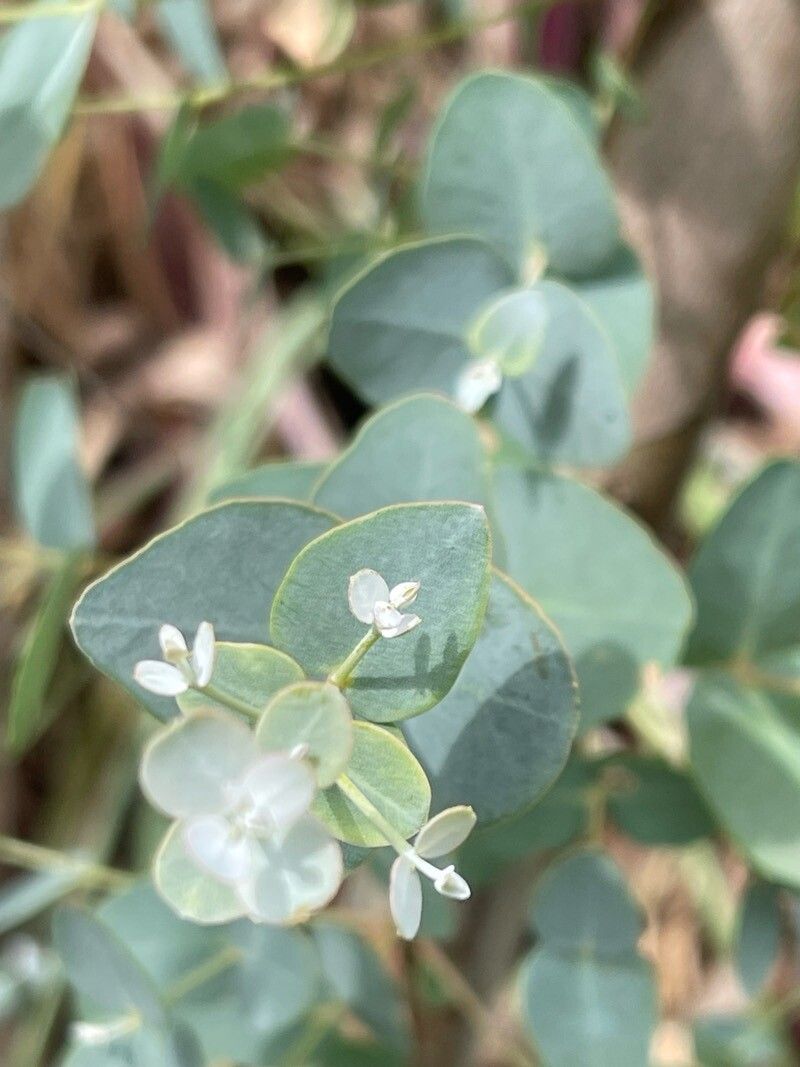
Oh, hello there, fellow plant lover! It’s so lovely to have you join me. Today, we’re diving into the wonderful world of propagating Eucalyptus gunnii, also known as Cider Gum. I’ve spent countless hours with these beautiful trees, and I can tell you, coaxing a new one from an existing parent is an incredibly satisfying endeavor. Their silvery-blue foliage is just stunning, and the delightful scent they release on a warm day is pure magic. You might be wondering if this is a good one to try as a beginner. Honestly, it can be a little tricky, but with a bit of patience and the right approach, I think you’ll find it surprisingly achievable.
The Best Time to Start
For Eucalyptus gunnii, the sweet spot is usually during the warmer months – think late spring through summer. This is when the plant is actively growing and has the most energy to put into rooting. You’re looking for new, semi-hardwood growth. This means the stems are no longer floppy and green but haven’t turned fully woody and rigid. They should be bendy enough to snap, but have a bit of substance to them. Avoid taking cuttings from old, woody stems or brand new, tender shoots; they’re less likely to succeed.
Supplies You’ll Need
Gathering your supplies beforehand makes the whole process much smoother. Here’s what I always have on hand:
- Sharp, clean pruning shears or a utility knife: For making clean cuts.
- Rooting hormone: While not strictly essential for all cuttings, it can give Eucalyptus gunnii a significant boost. I prefer a powder form.
- Gritty, well-draining potting mix: A good blend is one part perlite or coarse sand to one part peat or coco coir. This is key to preventing rot. You can also buy specific seed-starting or cutting mixes.
- Small pots or a propagation tray: Clean, with drainage holes!
- A clear plastic bag or propagator lid: To create a humid environment.
- A spray bottle filled with water: For misting.
- Labels and a marker: To keep track of your cuttings.
Propagation Methods
There are a couple of ways to go about this, but my go-to for Eucalyptus gunnii is stem cuttings.
- Take Your Cuttings: Using your clean shears, select a healthy stem from your mature Eucalyptus gunnii. Aim for pieces that are about 4-6 inches long. Make a clean cut just below a leaf node (the point where leaves attach to the stem).
- Prepare the Cuttings: Gently remove the leaves from the bottom half of each cutting. This is important to prevent them from rotting in the soil or water. If the remaining leaves are very large, you can snip them in half horizontally to reduce water loss.
- Apply Rooting Hormone: Dip the cut end of each cutting into your rooting hormone, tapping off any excess. This gives them the best chance of developing roots.
- Plant the Cuttings: Fill your small pots or propagation tray with your prepared, damp potting mix. Make a hole in the center with your finger or a pencil. Insert the treated end of the cutting into the hole, making sure the leaf nodes are buried. Gently firm the soil around the stem.
- Create a Humid Environment: Water the soil lightly to settle everything in. Then, place the pots inside a clear plastic bag, tying it loosely at the top, or cover them with a propagator lid. This traps moisture and keeps the humidity high, which is crucial for cuttings.
The “Secret Sauce” (Pro Tips)
Now, for a couple of the things I’ve learned through trial and error that really make a difference:
- Bottom Heat is Your Friend: While not strictly necessary, using a propagation mat underneath your pots can dramatically speed up the rooting process. It mimics the warmth of spring soil and encourages root development from below.
- Don’t Overhandle: Once your cuttings are planted and covered, try to resist the urge to peek too often. Every time you lift the lid or bag, you release precious humidity. Just a quick check every few days is enough.
- Air Circulation is Key (Eventually): Once you start seeing signs of new growth (tiny leaves unfurling!), it’s time to gradually introduce more air. Start by opening the bag or lid for a few minutes each day, slowly increasing the time over a week or so. This prevents the young plant from getting leggy and weak.
Aftercare & Troubleshooting
Once you see roots emerging from the drainage holes or new leafy growth on your cutting, congratulations! It’s time for a little more attention. Gradually transition your new plant to more normal conditions by slowly increasing its exposure to air and eventually removing the bag or lid permanently. Continue to keep the soil consistently moist but not waterlogged.
The most common problem you’ll encounter is rot. If a cutting turns black and mushy, or the leaves wilt dramatically and don’t perk up, it’s likely rot. This usually happens due to too much moisture in the soil or poor air circulation. Don’t be discouraged if some don’t make it; that’s part of the process. Just try to identify what might have gone wrong and learn from it.
A Encouraging Closing
Growing new plants from cuttings is a journey, and like any good journey, there will be bumps along the way. Be patient with your little Eucalyptus babies, celebrate every new leaf, and don’t be afraid to try again if your first attempt isn’t a blazing success. The joy of watching something you’ve nurtured grow into a beautiful new plant is simply unmatched. Happy propagating!
Resource:
https://identify.plantnet.org/k-world-flora/species/Eucalyptus%20gunnii%20Hook.f./data