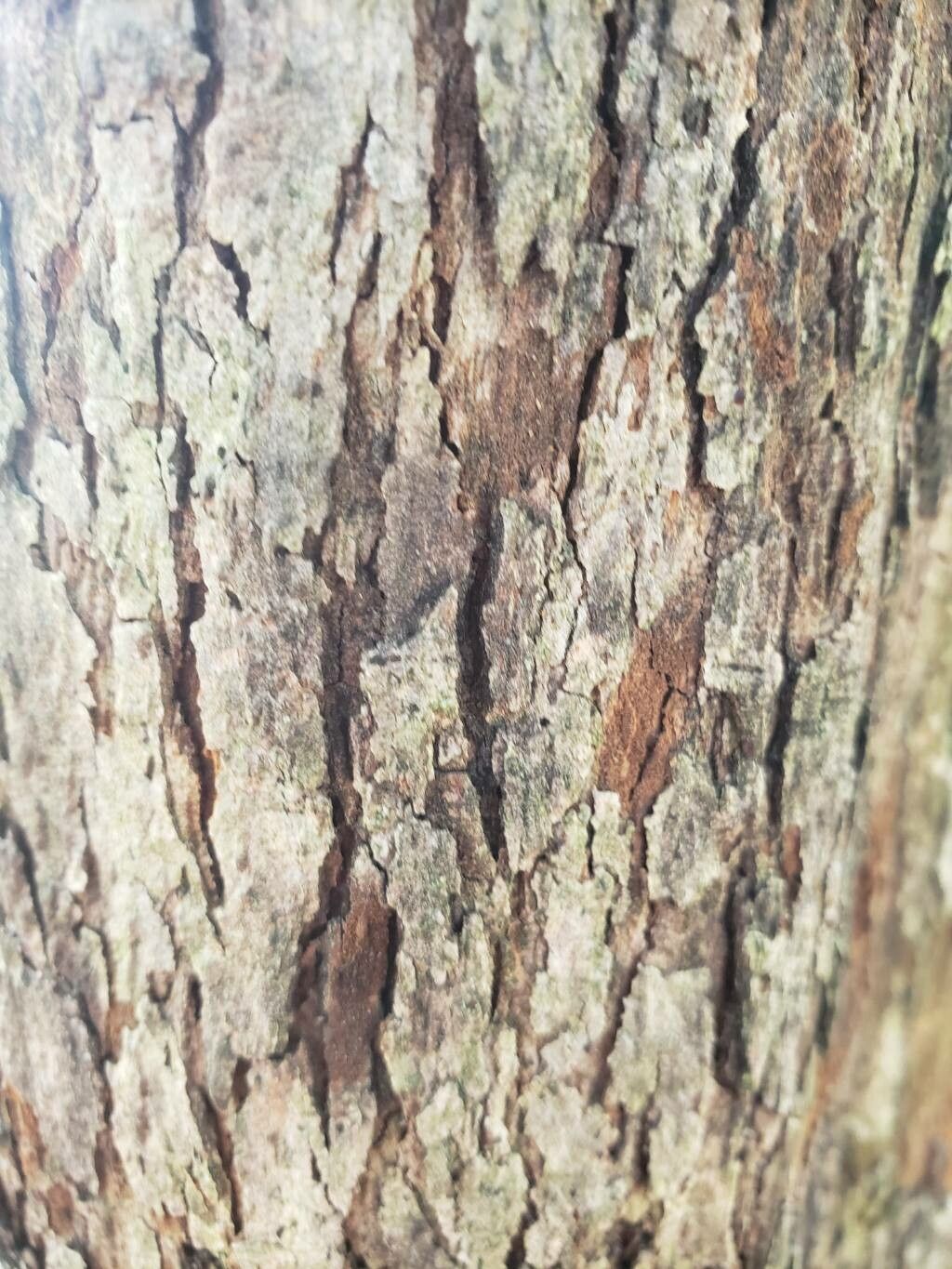
Hello there, fellow garden enthusiasts! Today, we’re diving into the wonderful world of Crataegus collina, also known as Mountain Hawthorn. This sturdy little hawthorn is a joy to have in the garden. I adore its charming small white flowers in spring, followed by those lovely red berries that birds absolutely go wild for in the fall. Plus, its thorny branches make a fantastic natural barrier.
If you’ve ever admired a Crataegus collina and wished you had more, you’re in luck! Propagating it yourself is a hugely rewarding process. It’s a fantastic way to fill out a hedge, share with friends, or simply expand your own collection. Now, I’ll be honest, Crataegus can be a little particular when it comes to propagation, but with a bit of care and understanding, it’s absolutely achievable, even for those of you who are newer to the gardening game. Don’t let that deter you; the satisfaction of seeing your own hawthorn take root is immense.
The Best Time to Start
For Crataegus collina, late spring to early summer is your golden window. This is when the plant is actively growing, and the new shoots are semi-hardwood. Think of it like this: the plant has finished its vigorous spring burst, but it’s not yet fully mature and woody. This stage offers the best balance of flexibility for cuttings and a good likelihood of rooting.
Supplies You’ll Need
Here’s what you’ll want to have on hand before you get started:
- Sharp Pruning Shears or a Knife: Cleanliness is key for making clean cuts.
- Rooting Hormone: A powder or gel will significantly boost your success rate.
- Well-Draining Potting Mix: A good blend of peat moss or coco coir, perlite, and a bit of compost works wonders. Avoid anything too heavy.
- Small Pots or Trays: Clean pots with drainage holes are essential.
- Plastic Bags or a Propagator: To create a humid environment.
- Watering Can with a Fine Rose: For gentle watering.
- Labeling Stakes: To keep track of your efforts!
Propagation Methods: Stem Cuttings
This is my go-to method for Crataegus collina. It’s efficient and often yields the best results for me.
-
Take Your Cuttings: On a bright, overcast day in late spring or early summer, select healthy, vigorous shoots. Look for stems that are flexible but not too soft. You want pieces that are about 4-6 inches long. Make a clean cut just below a leaf node. A leaf node is that little bump where a leaf attaches to the stem; this is where the magic happens for root formation.
-
Prepare the Cuttings: Gently remove the leaves from the lower half of the cutting. This prevents them from rotting in the soil or water. If you have any flowers or developing berries, pinch those off too. You want all the plant’s energy directed towards root development, not reproduction.
-
Apply Rooting Hormone: Dip the cut end of each prepared stem into your rooting hormone. Tap off any excess. This stuff really gives your cuttings a helping hand.
-
Plant Your Cuttings: Fill your pots or trays with your well-draining mix. Make a small hole in the center of the mix with a pencil or your finger. Insert the cut end of the cutting into the hole, making sure the rooting hormone stays put. Gently firm the soil around the base of the cutting. You want good contact, but don’t pack it down too hard.
-
Create a Humid Environment: Water the soil thoroughly but gently. Then, cover the pots with a clear plastic bag. You can use a few skewers to prop up the bag so it doesn’t touch the leaves of your cuttings. Alternatively, place the pots inside a propagator with the lid on. This humidity is crucial for preventing the cuttings from drying out before they form roots.
-
Provide Light and Warmth: Place your pots in a bright spot out of direct sunlight. A greenhouse, a bright windowsill, or even a sheltered spot on a patio will work. Some gentle bottom heat can also speed things up, especially if your space is a bit cooler.
The “Secret Sauce” (Pro Tips)
After years of tending to plants, you pick up a few tricks!
- The “Wound” Trick: For slightly tougher stems, you can make a small, shallow cut (about an inch long) on one side of the stem at the base. This exposes more of the cambium layer, which can encourage faster root development. Just be gentle, and apply the rooting hormone over this wound.
- Cleanliness is Next to Godliness: I can’t stress this enough! Always use sterilized tools and clean pots. This drastically reduces the risk of fungal infections and rot, which are common culprits when cuttings fail. A quick dip in bleach solution or a scrub with hot, soapy water will do.
- Don’t Drown Them! While they need humidity, soggy soil is a recipe for disaster. You want the soil to be consistently moist, not waterlogged. If you get a lot of condensation inside your plastic bag, you can briefly open it to let some air circulate.
Aftercare & Troubleshooting
Now, the waiting game begins! Check your cuttings periodically for signs of rooting. You can gently tug on a cutting – if there’s resistance, roots are forming. This can take anywhere from 4 to 8 weeks, sometimes longer.
Once your cuttings have a good root system, it’s time to gradually acclimate them to drier air by opening the plastic bag or propagator lid more each day. Then, carefully pot them up into individual, slightly larger pots with fresh potting mix. Continue to keep them moist and out of intense sun.
The most common sign of trouble is wilting followed by blackening and softness. This is usually rot, often caused by too much moisture or a lack of air circulation. If you see this, sadly, that cutting is unlikely to recover. Sometimes, cuttings might simply fail to root without any obvious reason. Don’t be discouraged; it’s all part of the learning curve! Just try again with fresh cuttings.
Happy Planting!
Propagating Crataegus collina is a journey, and like any good journey, it requires a little patience. Celebrate the small victories, learn from the setbacks, and most importantly, enjoy the process of growing something beautiful with your own hands. Happy gardening!
Resource:
https://identify.plantnet.org/k-world-flora/species/Crataegus%20collina%20Chapm./data