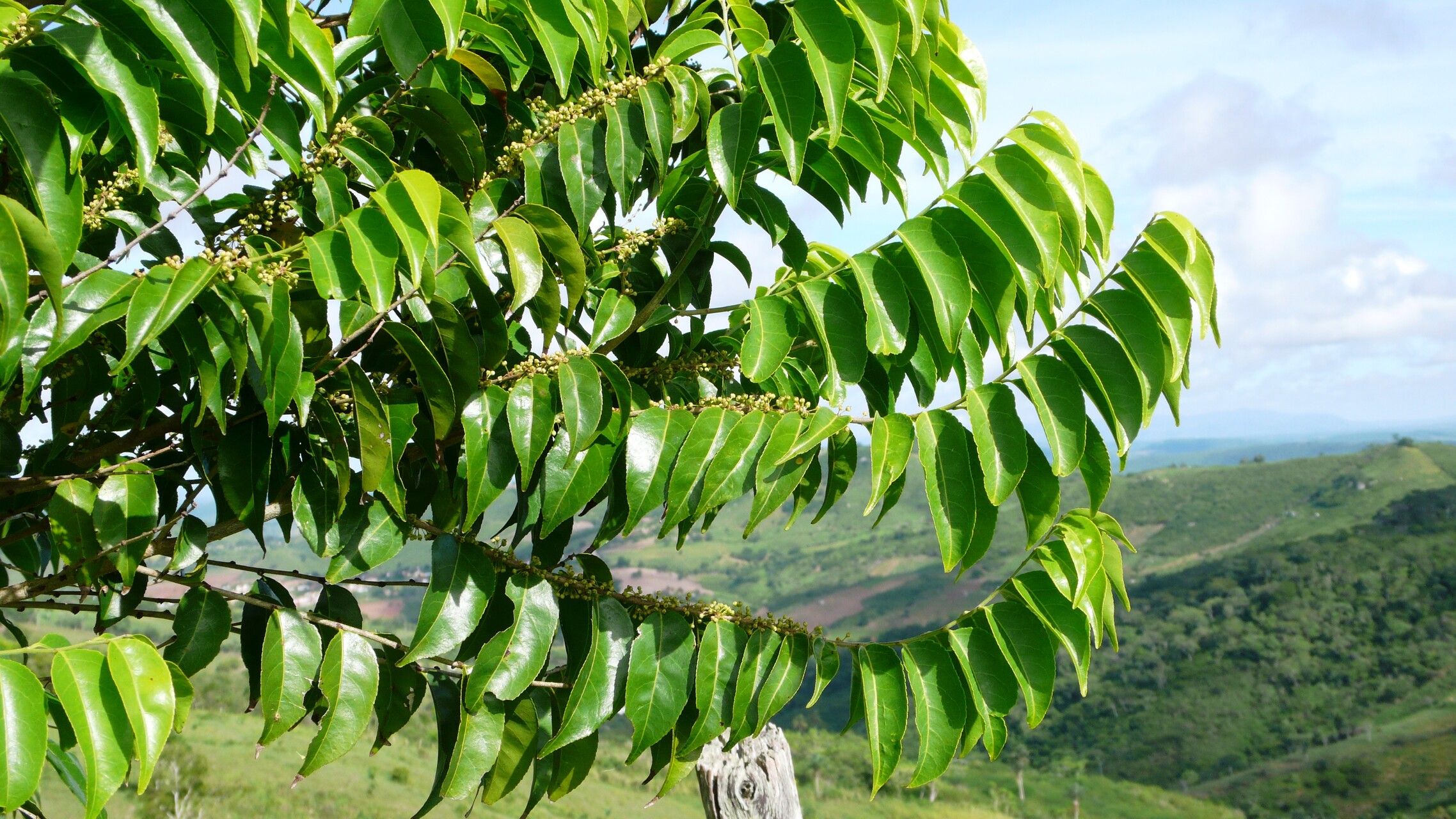
Oh, hello there! Grab a mug of tea, and let’s chat about a truly special plant: Casearia grandiflora. If you’re looking for a bit of jungle charm in your home or garden, this is one you’ll want to get to know. Its large, glossy leaves and often subtly fragrant flowers bring a touch of the tropics, and honestly, there’s nothing quite like the satisfaction of coaxing a brand new plant into existence from a piece of an existing one. For beginners, I’d say Casearia grandiflora is moderately easy to propagate. It’s not quite as foolproof as a pothos, but with a little attention, you’ll be in great shape.
The Best Time to Start
My favorite time to think about propagating Casearia grandiflora is in the late spring or early summer. This is when the plant is actively growing, energized by longer days and warmer temperatures. You’ll be working with fresh, healthy new growth, which has the best chance of rooting successfully. Trying this when the plant is dormant in winter is less likely to yield good results.
Supplies You’ll Need
Here’s a little arsenal to get you going:
- Sharp Pruning Shears or a Clean Knife: For making clean cuts. Dull tools can damage the stem and invite disease.
- Rooting Hormone (Optional but Recommended): Look for one with IBA (indole-butyric acid). It gives cuttings a helpful boost.
- Well-Draining Potting Mix: A blend of equal parts peat moss, perlite, and a bit of coco coir works wonders. You can also use a pre-made seed-starting or succulent mix.
- Small Pots or Trays: Clean, with drainage holes.
- Clear Plastic Bags or a Propagation Dome: To create a humid environment.
- Water: For watering and, if you choose, for water propagation.
- Labels and a Marker: To keep track of what you’ve planted and when.
Propagation Methods
Casearia grandiflora is quite adaptable, so you have a couple of good options.
1. Stem Cuttings (My Preferred Method)
This is where you’ll get the most bang for your buck.
- Find a Healthy Stem: Look for a stem that has new growth but is still somewhat flexible – not woody. It should have at least two or three sets of leaves.
- Make the Cut: Using your clean shears or knife, take a cutting that is about 4 to 6 inches long. Make the cut just below a leaf node (where a leaf attaches to the stem).
- Prepare the Cutting: Gently remove the lower leaves, leaving just the top two or three. This prevents them from rotting in the soil.
- Apply Rooting Hormone (Optional): If you’re using it, dip the cut end of the stem into the rooting hormone powder, tapping off any excess.
- Plant the Cutting: Make a small hole in your potting mix with your finger or a pencil. Insert the cut end of the stem into the hole, ensuring the leaf nodes are buried. Gently firm the soil around the base.
- Water and Cover: Water the soil gently until it’s moist but not soggy. Then, cover the pot with a clear plastic bag or place it under a propagation dome. This traps humidity, which is crucial for cuttings.
2. Water Propagation
This is a more “visible” method, and it’s satisfying to watch the roots develop.
- Select Your Cutting: Same as above – a healthy 4-6 inch stem with new growth.
- Prepare the Cutting: Remove the lower leaves.
- Place in Water: Fill a clean jar or glass with room-temperature water. Place the cutting in the water, making sure no leaves are submerged. Submerged leaves will rot and can kill your cutting.
- Change the Water: Refresh the water every few days to keep it clean and oxygenated.
- Location: Place the jar in bright, indirect light.
The “Secret Sauce” (Pro Tips)
Here are a few things I’ve learned over the years that make a real difference:
- Bottom Heat is Your Friend: For stem cuttings, placing your pots on a heat mat specifically designed for propagation can dramatically speed up root formation. It mimics the warmth of spring soil.
- Don’t Drown Your Dreams: When watering your cuttings, err on the side of caution. Overwatering is the cardinal sin and leads to rot. The soil should feel like a wrung-out sponge.
- Whisper Sweet Nothings (Mentally): Okay, maybe not literally. But treating your new propagations with care and consistently providing the right conditions—light, humidity, and just enough moisture—is what gives them the confidence to grow.
Aftercare & Troubleshooting
Once you see new leaf growth on your cutting, or roots peeking out of the bottom of the pot (for stem cuttings) or a good root system in the water (for water propagation), your plant is likely starting to establish itself.
- For Stem Cuttings: Gradually acclimate your new plant to the outside air. Start by removing the plastic bag for an hour or two each day, slowly increasing the time until it’s no longer needed. Continue to keep the soil consistently moist.
- For Water Cuttings: When you have a decent root system, carefully transplant it into a small pot filled with your well-draining potting mix. Water thoroughly.
Troubleshooting:
- Wilting Leaves: This is often a sign of too little water or too much direct sun. Check your watering habits and move the plant to a shadier spot if needed.
- Rotting Base or Black Stems: This is almost always due to overwatering and lack of drainage. Unfortunately, if a cutting is rotting, it’s usually a goner. Prevention is key here! Ensure your soil drains well and you’re not drowning the cutting.
- No Signs of Life: If after 6-8 weeks you see absolutely nothing, your cutting may not have taken. Don’t be discouraged! Try again, perhaps at a different time of year or with a different cutting.
A Encouraging Closing
So there you have it! Propagating Casearia grandiflora is a journey, and like all good journeys, it requires a bit of patience and a lot of love. Don’t get discouraged if your first attempt isn’t a roaring success. Each planting is a learning experience. Enjoy the process, celebrate each tiny new leaf, and soon you’ll have a whole new family of these beautiful plants. Happy gardening!
Resource:
https://identify.plantnet.org/k-world-flora/species/Casearia%20grandiflora%20Cambess./data