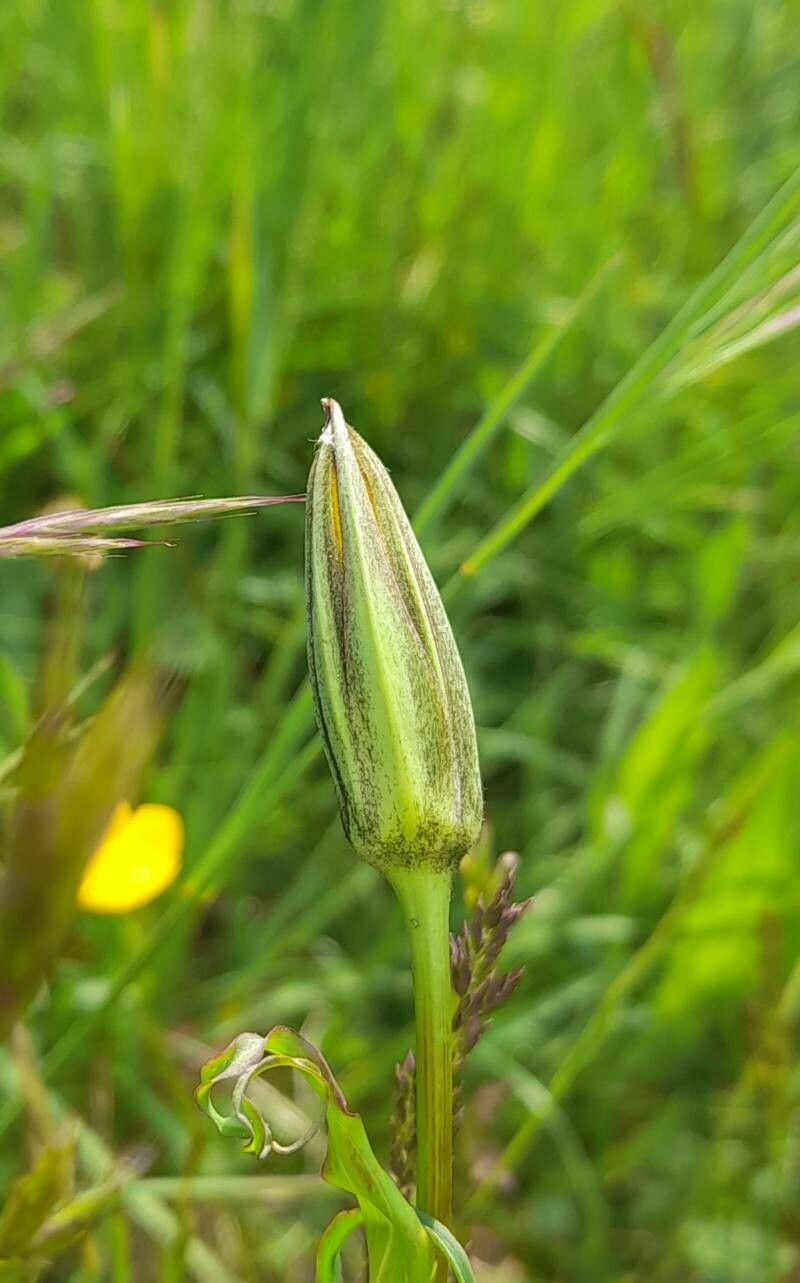
Hello! It’s so lovely to have you join me for a chat about a most charming plant: Tragopogon pratensis, commonly known as Meadow Salsify, or sometimes as Goatsbeard. If you’ve ever seen those beautiful, sunny yellow flowers that unfurl in the morning and nod their heads by afternoon, you’ll understand the allure. And a bonus? Those fluffy, dandelion-like seed heads are a delight for both the eye and curious little hands.
Propagating Meadow Salsify is a wonderful way to extend its presence in your garden or share these cheerful blooms with friends. For those of you just dipping your toes into the world of plant propagation, I have good news: this plant is quite forgiving. You’ll find it to be a rewarding journey, even for beginners!
The Best Time to Start
Timing is almost everything in gardening, and with Meadow Salsify, you have a couple of really excellent windows. The most straightforward method, which we’ll get to, involves seeds. The ideal time to sow those seeds is late summer to early autumn (August through September). This allows them to germinate and establish a little root system before winter truly sets in, giving them a head start come spring. Alternatively, you can also sow seeds directly in early spring (March to April) as soon as the soil can be worked. The plant also sets seed readily, so if you’re feeling adventurous, you can even collect freshly ripened seeds in summer and sow them immediately.
Supplies You’ll Need
To get started on your Meadow Salsify propagation adventure, gather these items:
- Seeds: Either purchased or collected from a mature plant.
- Seed starting mix: A light, well-draining blend. You can buy this or mix your own with equal parts peat moss or coco coir, perlite, and a little bit of compost.
- Small pots or seed trays: With drainage holes, of course!
- Watering can or spray bottle: For gentle watering.
- Trowel or small shovel: For handling soil.
- Marker and label: To identify your seedlings.
- (Optional, for collected seeds) Paper bag or envelope: For drying and storing seeds if not sowing immediately.
Propagation Methods (The Seedling Route!)
For Tragopogon pratensis, the absolute easiest and most successful way to propagate is by seed. Honestly, this plant is quite generous with its progeny.
Step-by-Step: Sowing Seeds
- Prepare your pots: Fill your pots or seed trays with the seed starting mix. Leave about an inch of space at the top.
- Moisten the soil: Gently water the mix until it’s evenly moist but not waterlogged. You want it to feel like a wrung-out sponge.
- Sow the seeds: Meadow Salsify seeds are relatively large. Sow them about ¼ inch deep. You can sow a few seeds per pot, and then thin them later, or sow one seed per cell if using a seed tray. Space them about 2-3 inches apart if sowing directly into a larger container.
- Cover gently: Lightly cover the seeds with more seed starting mix.
- Water again: Give the surface a gentle misting to settle the soil around the seeds.
- Label: Don’t forget to label your pots with the plant name and the date! It’s easy to forget what you planted where.
- Find a cozy spot: Place your pots in a location that receives indirect sunlight. A bright windowsill indoors or a sheltered spot outdoors will work well.
- Be patient: Germination can take anywhere from 1 to 3 weeks, depending on the temperature and the freshness of the seeds. Keep the soil consistently moist.
A Quick Note on Transplanting: Once your seedlings have a few sets of true leaves and are sturdy enough to handle (usually a few inches tall), you can transplant them into their final garden spot or into larger individual pots. Acclimate them to outdoor conditions first by gradually exposing them to more sunlight and wind over a week or so.
The “Secret Sauce” (Pro Tips)
While Meadow Salsify is pretty straightforward, here are a couple of things I’ve learned over the years that can give you an extra edge:
- Don’t be afraid to cold stratify (if you remember!): While not strictly necessary, if you’re sowing seeds collected in late summer, mimicking a natural winter chill can sometimes improve germination rates for many hardy perennials. Mix your seeds with a bit of damp sand or peat in a plastic bag and pop it in the fridge for about 4-6 weeks before sowing in late winter or early spring. It’s a little extra step, but it can sometimes make a difference.
- Embrace the fluffy seed heads: Don’t rush to deadhead! The large, spherical seed heads are iconic. Let them mature on the plant. Once they’re silvery and ready to burst, you can either collect the seeds for immediate sowing or leave them to be dispersed by the wind. This is how the plant happily spreads itself around your garden. If you do collect them, do so just before they puff up and fly away.
Aftercare & Troubleshooting
Once your tiny Meadow Salsify seedlings have emerged, your main job is to keep them consistently moist. Avoid letting the soil dry out completely, especially during the initial stages of growth.
Signs of Trouble:
- Leggy seedlings: This usually means they aren’t getting enough light. Move them to a brighter spot.
- Damping off (rotting at the soil line): This is a fungal issue often caused by overwatering and poor air circulation. Ensure good drainage, water from the bottom if possible, and avoid crowding seedlings too closely. If you see this, remove the affected seedlings immediately to prevent it from spreading.
- Yellowing leaves: This could be a sign of either too much or too little water, or potentially a nutrient deficiency. Check your watering routine and ensure good drainage.
A Gentle Encouraging Closing
There you have it! Propagating Meadow Salsify is truly a joy. It’s a plant that rewards patience and observation. Don’t get discouraged if your first few attempts aren’t perfect; that’s all part of the learning curve. The most important thing is to enjoy the process, get your hands in the soil, and marvel at the life you’re helping to grow. Happy gardening!
Resource:
https://identify.plantnet.org/k-world-flora/species/Tragopogon%20pratensis%20L./data