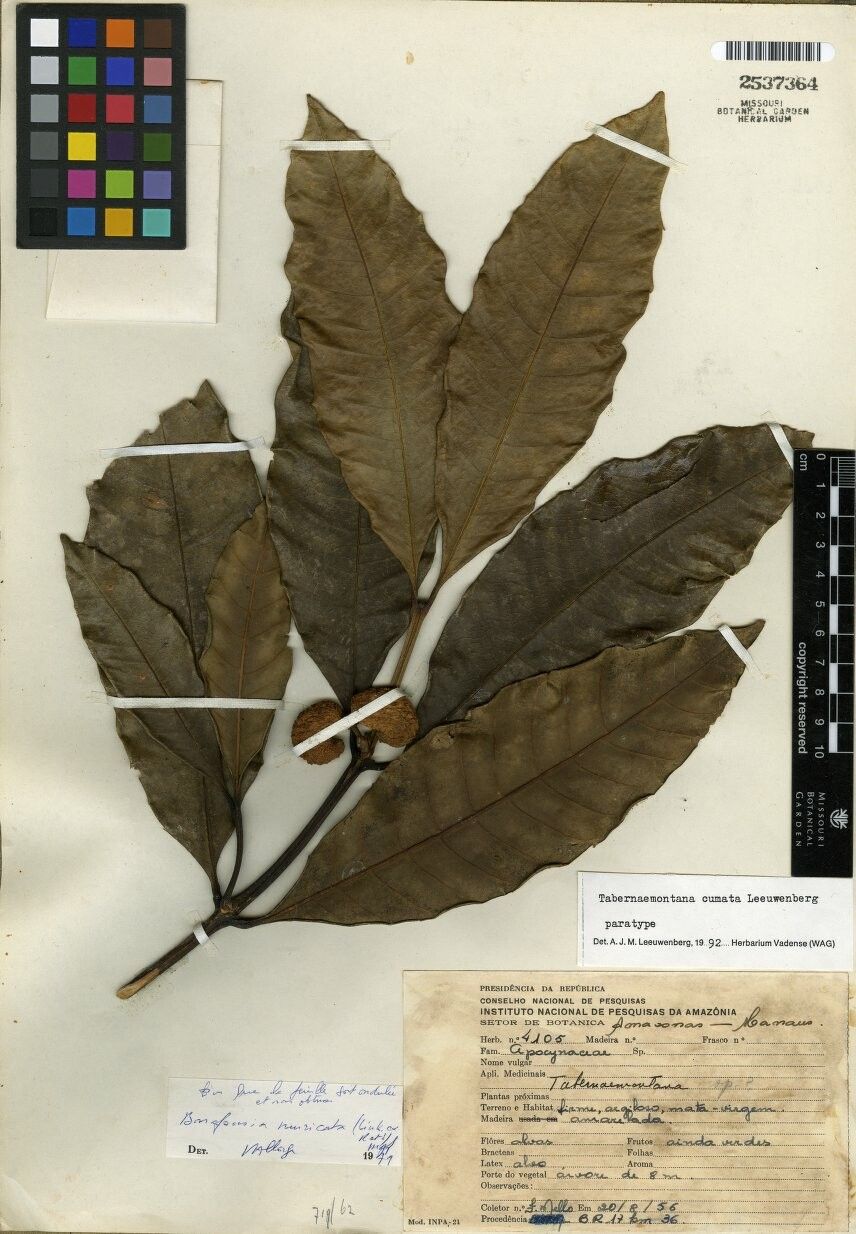
Hello, fellow plant lovers! Today, I want to chat about a truly special plant that often gets overlooked. We’re diving into the world of Tabernaemontana cumata, also known as Hooded Wax Jasmine. Its beautiful, star-shaped white flowers have this intoxicating, sweet fragrance that can transform any garden or indoor space. Trust me, the scent alone is worth it!
Propagating your own Tabernaemontana cumata is incredibly rewarding. It’s like getting a little piece of that magic to nurture and grow. Now, for the good news: while it requires a bit of attention, I find it to be a wonderfully achievable project for most gardeners, even those who are just dipping their toes into propagation. We’ll get through this together!
The Best Time to Start
When it comes to getting the best results, spring and early summer are your golden ticket. This is when the plant is actively growing and has plenty of energy to put into developing new roots. You’re looking for stems that are mature enough to hold their shape, not brand new, floppy growth. Think of it as looking for those “semi-hardwood” shoots – they have a bit of flexibility but aren’t woody yet.
Supplies You’ll Need
Gathering your supplies beforehand makes the whole process so much smoother. Here’s what I always have on hand:
- Sharp Pruning Shears or a Clean Knife: Essential for clean cuts.
- Rooting Hormone: A lifesaver for encouraging root development. I prefer the powder form, but liquid works too!
- Potting Mix: A light, well-draining mix is key. I often use a blend of potting soil, perlite, and a touch of peat moss. Some gardeners swear by a mix of equal parts perlite and peat.
- Small Pots or Trays: Anything that can hold your cuttings and excess water.
- Clear Plastic Bags or a Propagation Dome: To create a humid environment.
- Water: For misting and, of course, for any water propagation attempts.
- Labels and a Waterproof Marker: You’ll thank me later for remembering which plant is which!
Propagation Methods
There are a couple of ways to go about this, and I often find that stem cuttings are the most reliable.
1. Stem Cuttings:
This is my go-to method. You’ll want to take cuttings from healthy, non-flowering stems, ideally about 4-6 inches long. Use your sharp shears to make a clean cut right below a leaf node. A leaf node is where a leaf attaches to the stem – that’s where the magic root-forming cells are!
Once you have your cuttings, gently remove the lower leaves. This prevents them from rotting in the soil or water. Leave about two to four leaves at the top. Now, dip the cut end into your rooting hormone. Tap off any excess – you don’t want huge clumps.
Next, poke a hole in your prepared potting mix with a pencil or your finger. This prevents the rooting hormone from rubbing off when you insert the cutting. Carefully insert the cutting, ensuring the leaves aren’t touching the soil surface. Gently firm the soil around it.
Now, create that humid environment. I usually pop the potted cuttings into a clear plastic bag, making sure the bag doesn’t touch the leaves too much, or use a propagation dome. Place them in bright, indirect light. Avoid direct sun, which can scorch the delicate cuttings.
2. Water Propagation (Less common for this plant, but worth a mention):
While I find stem cuttings in soil more successful for Tabernaemontana cumata, some people have success with water. Take your cuttings as described above, remove all but the top leaves, and place them in a jar of clean water. Position the jar so that the leaf nodes are submerged, but crucially, ensure the leaves themselves are not in the water. Change the water every few days to keep it fresh. Once you see a good network of roots forming (around an inch or so), you can then try potting them up into soil, just like you would with cuttings from the first method.
The “Secret Sauce” (Pro Tips)
After all these years, a few little tricks always seem to make a difference:
- Bottom Heat is Your Friend: For stem cuttings, popping them onto a gentle heat mat can dramatically speed up root formation. It mimics the warm soil of a tropical climate. Just keep an eye on the moisture levels as heat can dry things out faster.
- Don’t Overwater!: This is a biggie for any propagation. You want the soil to be consistently moist, not soggy. Soggy soil is a one-way ticket to rot. I like to water thoroughly when I first pot them, then only water again when the top inch of soil starts to feel dry.
- Be Patient with the Fragrance: While we love the scent of the mother plant, try to take cuttings before the new growth starts producing flower buds. It’s better the plant puts its energy into roots than into flowers at this stage.
Aftercare & Troubleshooting
Once you start seeing new growth, that’s a great sign roots are forming! You can gently tug on a cutting – if there’s resistance, you’re on your way. Gradually acclimate your new plant to normal room humidity by opening the plastic bag a little more each day over a week. Once they’re looking happy and have established themselves, you can transplant them into slightly larger pots.
Now, what if things go wrong? The most common culprit is rot. If your cuttings turn black and mushy, that’s a sure sign of overwatering or poor drainage. If you see this, it’s best to discard them and try again, focusing on that well-draining soil and careful watering. Yellowing leaves can sometimes indicate too much direct sun.
A Encouraging Closing
Propagating plants is a journey, and it’s all about learning and observing. Don’t be discouraged if your first attempt isn’t perfect. Every gardener has lost a cutting or two! The satisfaction of nurturing a new life from just a stem is truly special. Be patient, keep an eye on your little ones, and enjoy the process of watching them grow. Happy propagating!
Resource:
https://identify.plantnet.org/k-world-flora/species/Tabernaemontana%20cumata%20Leeuwenb./data