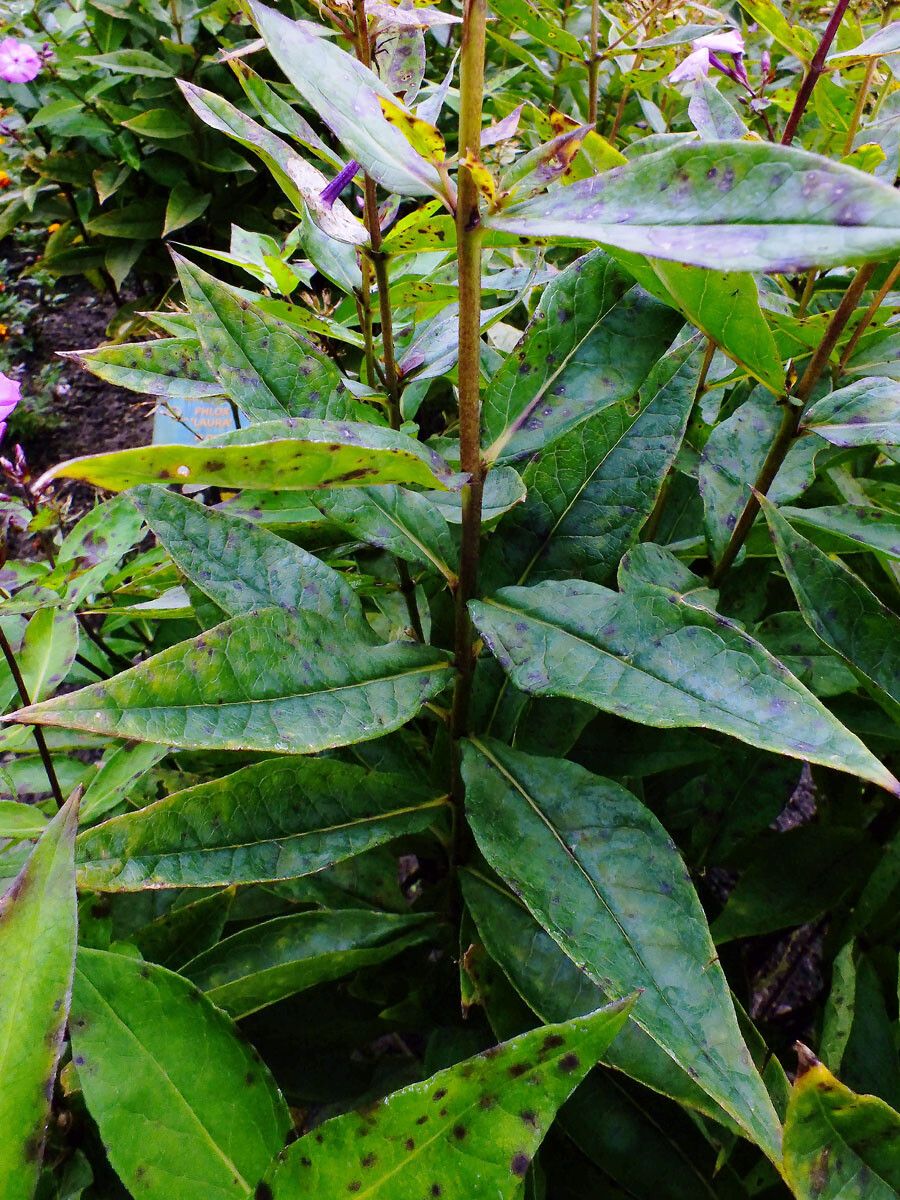
Oh, Phlox amplifolia! Isn’t it just a joy? Those lovely clusters of blossoms, often in such vibrant shades, really do bring a smile to any garden. And the best part? You can have more of them, easily! Propagating your own phlox is incredibly satisfying, and I’m happy to share how I do it. Don’t worry, it’s not one of those finicky plants; even if you’re just starting out in the gardening world, you’ll find this a rewarding endeavor.
When to Get Your Hands Dirty
For the best results, I always find starting in late spring to early summer is ideal. This is when your phlox plants are actively growing and have plenty of energy to put into developing new roots. You’re essentially taking cuttings from this vigorous new growth.
What You’ll Need to Get Started
Gathering your supplies beforehand makes the whole process much smoother. Here’s what I usually have on hand:
- Sharp pruning shears or a clean, sharp knife: For making clean cuts.
- Rooting hormone (optional, but helpful): Especially for stem cuttings.
- Small pots or seed trays: With good drainage holes, of course.
- A light, well-draining potting mix: I like a blend of peat moss, perlite, and a bit of compost. You can also buy a specific seed-starting mix.
- A plastic bag or propagation dome: To create a humid environment.
- Water spray bottle: For misting.
- Labels: To remember what you planted where!
My Favorite Ways to Propagate Phlox
There are a couple of methods that work like a charm for Phlox amplifolia.
Stem Cuttings: The Classic Choice
This is my go-to for multiplying my phlox collection.
- First, select healthy, non-flowering stems. Look for new growth that’s about 4-6 inches long. Stems that have already flowered can be a bit less vigorous for rooting.
- Using your sharp pruning shears or knife, make a clean cut just below a leaf node. This is where new roots love to form. Remove the lower leaves, leaving just a few at the top.
- If you’re using rooting hormone, dip the cut end into it, tapping off any excess.
- Insert the cuttings into your prepared pots filled with moist potting mix. They should be deep enough to stand upright, with at least one leaf node buried in the soil.
- Mist the cuttings thoroughly and cover the pot with a plastic bag or propagation dome. This creates the humid microclimate they crave.
- Place the pots in a bright spot, but out of direct sunlight.
Division: When Your Plant is Happy and Thriving
If your phlox has been in the ground for a few years and is looking lovely and full, it’s probably time to divide it. This is a fantastic way to rejuvenate the parent plant and get new ones.
- Dig up the entire plant carefully. I usually do this in spring or fall when the soil is moist.
- Gently shake off excess soil to expose the root ball.
- With your hands or a trowel, carefully separate the plant into smaller sections. Make sure each section has healthy roots and some leafy growth. If the root ball is tough, a clean spade can help, but try to be as gentle as possible.
- Replant the divisions in their new locations or into pots with fresh soil. Water them in well.
The “Secret Sauce” (Insider Tips)
Here are a few things I’ve learned over the years that really give your propagation efforts a boost:
- Don’t let the leaves touch the water (if water propagating): While I primarily do stem cuttings in soil, if you ever try water propagation for other plants (or even phlox if you’re feeling adventurous!), make sure the leaves stay above the waterline. Rot sets in quickly if they’re submerged.
- Bottom heat can be your best friend: If you have a heat mat designed for seedlings, using it under your pots can significantly speed up root development for stem cuttings. It mimics that warm soil temperature that plants love in the growing season.
Aftercare and What to Watch For
Once your cuttings have rooted – and you can gently tug on them to feel resistance, or often see new growth appearing – it’s time to start treating them like little independent plants.
- Gradually acclimate them. If they were under a dome or bag, start by opening it up for a few hours each day. This helps them adjust to lower humidity.
- Keep the soil consistently moist but not soggy. Overwatering is the quickest way to invite rot.
- Once they have a good root system and are showing new leaves, you can begin feeding them with a diluted liquid fertilizer every few weeks.
- Watch out for rot. If you see stems turning black and mushy, or if cuttings simply refuse to perk up, it’s often a sign of overwatering or poor air circulation. Sometimes, it’s just the nature of propagation – not every cutting will make it. Don’t be discouraged!
Keep Planting, Keep Growing!
Propagating Phlox amplifolia is a wonderful way to expand your garden and share the beauty of these plants with friends and family. Be patient with the process; sometimes nature takes its time. But with a little care and encouragement, you’ll soon have a whole garden full of these cheerful blooms. Happy gardening!
Resource:
https://identify.plantnet.org/k-world-flora/species/Phlox%20amplifolia%20Britton/data