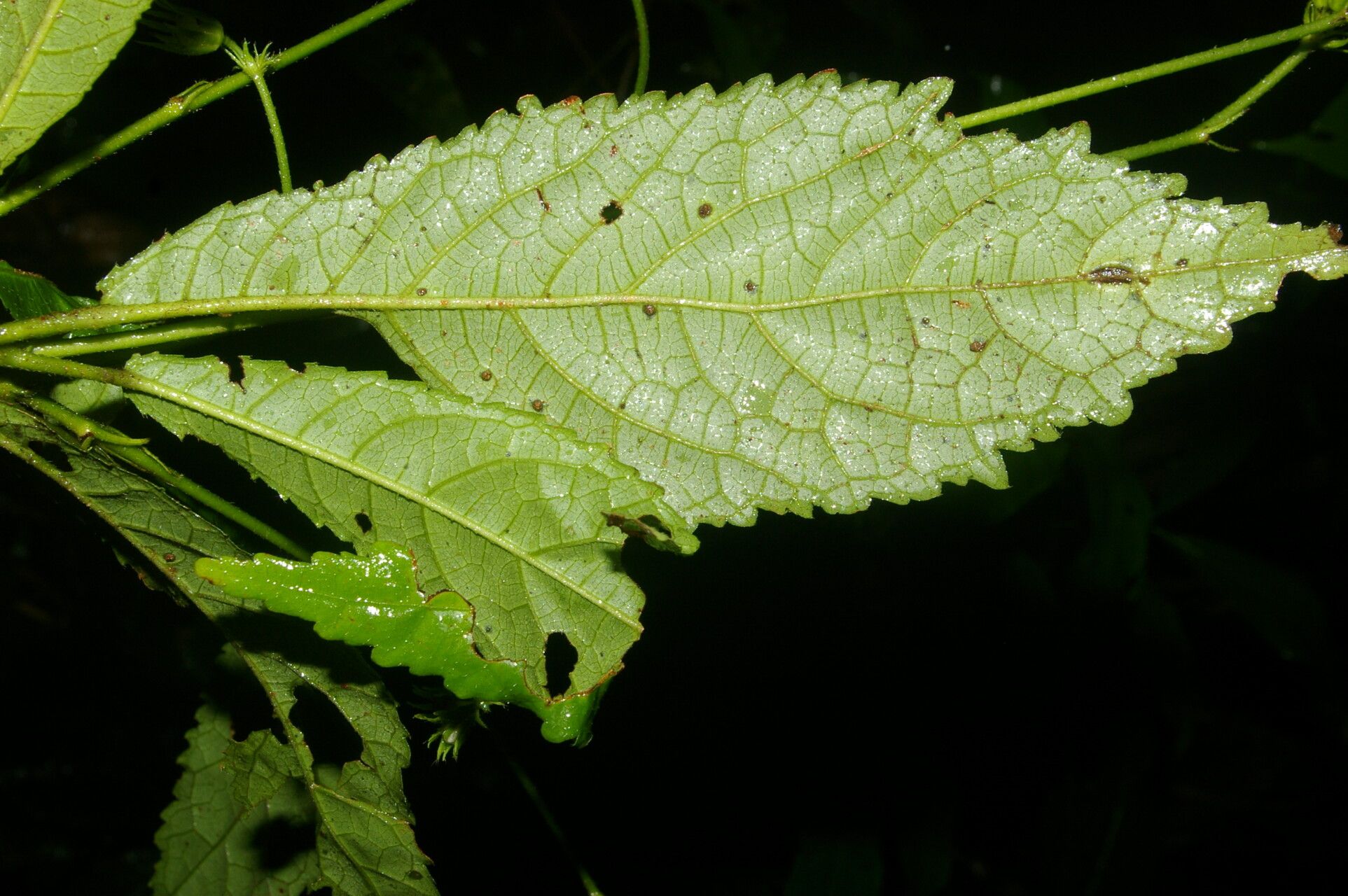
Hello fellow garden lovers! If you’re like me, you’re always on the lookout for those special plants that bring a unique charm to your space. Today, I want to talk about one of my personal favorites: Pavonia castaneifolia. This beauty, with its lovely foliage and delicate flowers, is a real gem. And the best part? It’s surprisingly rewarding – and not too tricky – to propagate. Imagine filling your garden with more of these beauties, or sharing them with friends! For beginners, I’d say it leans towards “moderately easy,” meaning a little patience and attention go a long way.
The Best Time to Start
For Pavonia castaneifolia, the sweet spot for propagation is definitely spring and early summer. This is when the plant is bursting with energy and putting on new growth. Starting your cuttings during this active period dramatically increases your chances of successful rooting. It’s like giving your new baby plants the best possible head start!
Supplies You’ll Need
Gathering your supplies beforehand makes the whole process so much smoother. Here’s what I always have on hand:
- Sharp, clean pruning shears or a sharp knife: Essential for making clean cuts.
- A small container or pot: For planting your cuttings. Make sure it has drainage holes!
- Well-draining potting mix: I like a mix of perlite and peat moss or coco coir. Something that won’t hold too much water is key.
- Rooting hormone (optional, but recommended): This can give your cuttings a significant boost.
- A plastic bag or cloche: To create a humid environment for your cuttings.
- Perlite or coarse sand: To mix into your potting soil for extra drainage.
- Watering can or mister: For gentle watering.
Propagation Methods
Let’s get our hands dirty! Pavonia castaneifolia is quite amenable to stem cuttings, which is my go-to method.
Stem Cuttings
- Make the Cut: In spring or early summer, find a healthy, non-flowering stem. You want to take a tip cutting, about 4-6 inches long. Use your clean shears to make a sharp cut just below a leaf node (where a leaf joins the stem).
- Prepare the Cutting: Gently remove the lower leaves from the cutting, leaving just a few at the top. If your cutting is long, you can even trim the remaining leaves in half to reduce water loss.
- Apply Rooting Hormone (Optional): Dip the cut end of the stem into rooting hormone, tapping off any excess.
- Plant Your Cutting: Fill your small pot with your well-draining potting mix. Make a hole in the center with your finger or a pencil and gently insert the cutting. Firm the soil around the base of the stem.
- Create a Humid Environment: Water the soil lightly. Then, cover the pot with a clear plastic bag, securing it around the rim with a rubber band, or place it inside a larger clear plastic bag. This will create a mini-greenhouse effect! Pop your pot in a bright spot, but out of direct, harsh sunlight.
Water Propagation (A simpler alternative)
If you don’t have potting mix handy, you can try water propagation, but there’s a little trick to it.
- Select and Prepare: Take your 4-6 inch stem tip cutting as described above. Remove all but the top couple of leaves.
- The Water Trick: Find a small, narrow-mouthed jar or vase. Fill it with room-temperature water. Here’s the crucial part: ensure no leaves are submerged in the water. Leaves left in the water will rot, and that’s a sure way to end your propagation attempt.
- Placement: Place your jar in a bright spot where it receives indirect light.
- Water Changes: Change the water every few days to keep it fresh and prevent bacterial growth. Roots should start to appear within a few weeks.
The “Secret Sauce” (Pro Tips)
I’ve learned a few things over the years that can really make a difference:
- Bottom Heat is Your Friend: Pavonia castaneifolia loves a little warmth from below. Placing your potted cuttings on a heat mat designed for seedlings can significantly speed up root development. It mimics the warmth of the soil in its natural habitat.
- Don’t Rush the Transfer: When propagating in soil, resist the urge to check for roots too often. You’ll disturb the delicate root hairs. Wait until you see new growth emerging from the top of the cutting – that’s a good sign roots have formed. For water propagation, wait until the roots are at least an inch long before attempting to transplant them into soil.
- The Power of a ‘Heel’: Sometimes, taking a cutting from a slightly older, woodier stem with a small sliver of the parent branch attached (a ‘heel’) can improve rooting success, as it carries more stored energy. However, for Pavonia, tip cuttings are generally quite reliable.
Aftercare & Troubleshooting
Once you spot those beautiful new roots, it’s time for patience and a gentle touch.
- Transitioning to Soil (from water propagation): Carefully transplant your rooted cutting into a small pot filled with your well-draining mix. Water it gently and keep it in a humid environment for a week or two to help it adjust.
- Ongoing Care: Continue to keep the soil consistently moist but not soggy. As the new plant establishes itself, you can gradually acclimate it to more normal watering schedules. Give it bright, indirect light.
- Watch for Rot: The most common pitfall is overwatering, which leads to rot. If the stem of your cutting looks mushy or black, or if the leaves turn yellow and drop off quickly after planting, rot is likely the culprit. Ensure excellent drainage and allow the top inch of soil to dry out slightly between waterings.
- No Root Growth: If you see no signs of roots after several weeks, don’t despair! Sometimes they just take their sweet time. Ensure your cutting is getting enough light and consistently humid conditions. You can also try gently refreshing the rooting hormone if you used it initially.
Happy Propagating!
So there you have it! Propagating Pavonia castaneifolia is a delightful way to expand your collection or share the joy of this lovely plant. Remember to be patient with your new propagations; they are like little babies, and they need a little extra care and time. Embrace the process, learn from any setbacks, and most importantly, enjoy the journey of growing something beautiful from a simple cutting. Happy gardening!
Resource: