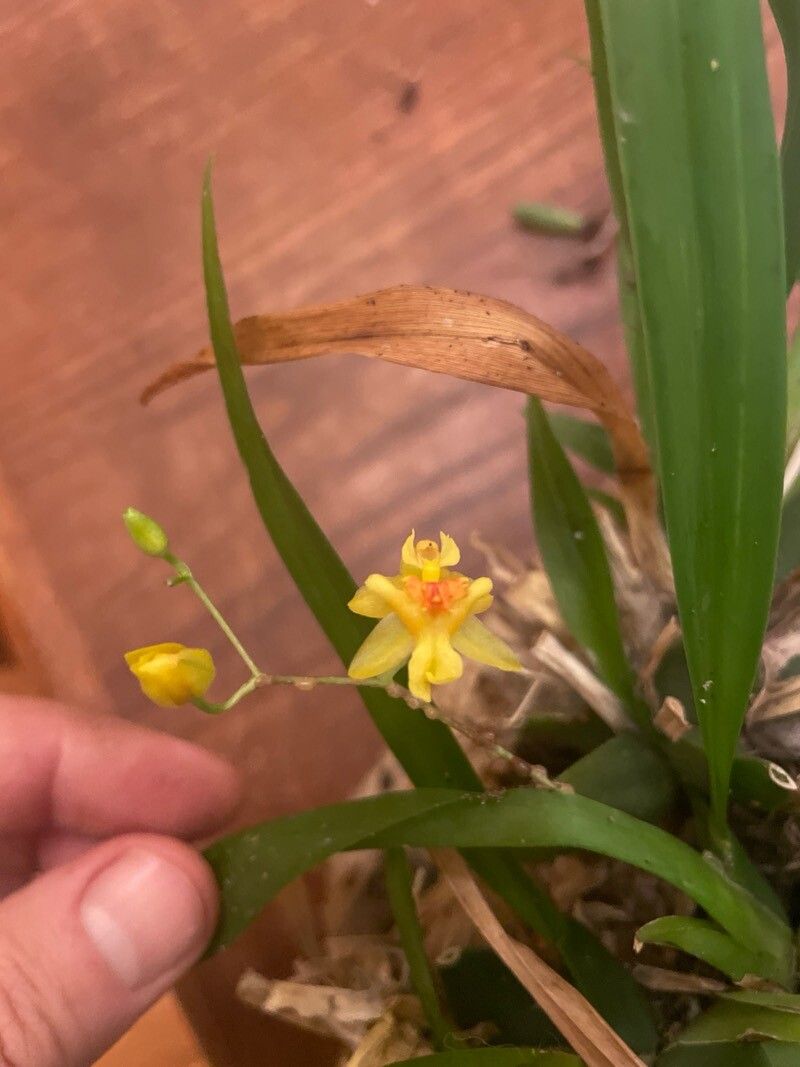
Oh, hello there! Grab a mug, settle in. Today, we’re going to chat about a truly spectacular orchid, Oncidium baueri. If you’ve ever seen one in bloom, you know what I mean – those masses of delicate, usually yellow and brown, flowers are just a delight. They dance in the breeze, bringing such joy to a greenhouse or windowsill. And the good news? You can have more of them! Propagating these beauties can feel like unlocking a little bit of magic in your own garden. Now, I won’t lie, Oncidium baueri can be a tad more particular than some of your common Phalaenopsis. It’s not necessarily a beginner’s first orchid to propagate, but with a bit of care and attention, it’s absolutely achievable, and oh-so-rewarding.
The Best Time to Start
When is the universe most amenable to new Oncidium baueri life? My favorite time is after the plant has finished its blooming cycle and is entering a period of active growth. You’ll typically see new pseudobulbs or roots starting to form. For most of us, this means late spring through summer. The warmer temperatures and longer days really give those new divisions or cuttings the energy they need to get going. Trying to propagate when the plant is dormant or stressed is just setting yourself up for disappointment.
Supplies You’ll Need
Gathering your tools beforehand makes the whole process much smoother. Think of it as getting your kitchen ready before you start baking!
- Sharp, sterile pruning shears or a clean knife: We want to make clean cuts to minimize damage and prevent disease. A quick wipe with rubbing alcohol does the trick.
- Orchid potting mix: A good quality, airy orchid mix is essential. I prefer a blend with bark, perlite, and some charcoal. Your Oncidium baueri needs excellent drainage.
- New pots or divisions containers: Clean pots are your friend here. They should be appropriately sized for the new plant.
- Rooting hormone (optional but helpful): A gentle powder can give your new cuttings a little nudge in the right direction.
- A spray bottle: For gentle misting, which is key for newly propagated orchids.
- Clear plastic bags or a propagation dome (optional): To create a humid microclimate.
- Orchid fertilizer: Once growth is established, you’ll want to feed them.
Propagation Methods
For Oncidium baueri, the most reliable method is division. These orchids don’t typically grow long, trailing stems that are easy to take cuttings from in the conventional sense. Instead, we’re working with their natural growth habit.
Division: Sharing the Wealth!
This is how we multiply our beloved plants.
- Gently remove the orchid from its pot. If it’s stuck, a few firm taps around the sides of the pot usually loosen it. If it’s really stubborn, you might need to carefully cut away the old pot.
- Clean off the old potting mix. You want to see the rhizome (that thick, stem-like structure) and the roots clearly. You can use your fingers or a gentle stream of water to help with this.
- Inspect the rhizome. Look for natural clear divisions. A healthy division should have at least two to three healthy pseudobulbs and a good number of roots. You’re looking for a point where the rhizome clearly separates.
- Carefully make the cut. Using your sterilized sharp tool, make a clean cut through the rhizome, separating the sections. Crucially, ensure each new division has at least two pseudobulbs and some viable roots. Don’t be tempted to divide too thinly; it’s better to have a few larger, robust divisions than many weak ones.
- Allow the cuts to callus. This is important! Let the cut surfaces of each division dry out for at least 24-48 hours in a well-ventilated spot, but out of direct sun. This helps prevent rot.
- Pot up your new divisions. Use your fresh orchid mix in clean pots. Plant each division so the base of the pseudobulbs is just at or slightly above the surface of the mix. You want the roots to be nestled in.
- Water lightly. After potting, give them a very light watering. The goal is to slightly moisten the mix, not to soak it.
The “Secret Sauce” (Pro Tips)
Here are a few little tricks I’ve picked up over the years that can make a big difference:
- Don’t disturb the roots more than absolutely necessary. Orchids, especially their roots, can be quite sensitive to being messed with. The less you fuss, the happier they usually are. When you clean off the old mix, be gentle.
- Bottom heat is your friend. For divisions, placing them on a gentle seedling heat mat can significantly speed up root development. A consistent, mild warmth from below encourages new root growth without drying out the plant. Just make sure the mat isn’t too hot – think lukewarm bath water.
- Watch for the “eye.” Sometimes, even a seemingly old pseudobulb can have a dormant growth “eye” that will sprout if given the right conditions. When dividing, look for these little bumps on the rhizome; they are the promise of a new start.
Aftercare & Troubleshooting
So, you’ve potted up your new babies. What next?
For the first week or two, water sparingly. You want the potting medium to start drying out between waterings. Mist the leaves lightly if the air is very dry, but avoid letting water sit in the crown of the pseudobulbs. This is a fast track to rot.
Once you start seeing new root growth or a new leaf emerging from a pseudobulb, that’s a great sign! You can then gradually increase watering and begin feeding with a diluted orchid fertilizer.
What if things go wrong? The most common problem is rot. If a pseudobulb starts to shrivel and turn mushy, or if the cut surfaces your division develops a black, slimysurface, it’s likely rot. This usually happens from too much moisture and poor air circulation. If you catch it early, you might be able to cut away the rotten part with your sterilized tool and let the healthy section callus again. If the whole division is affected, it’s sadly time to compost it and try again.
A Little Encouragement
Propagating can feel like a gamble sometimes, but honestly, that’s part of the fun! Be patient. Your new Oncidium baueri divisions need time to establish themselves. Observe them, learn their signals, and celebrate every new sprout, every new root. The journey of growing these gorgeous orchids is a gift in itself. Happy growing!
Resource:
https://identify.plantnet.org/k-world-flora/species/Oncidium%20baueri%20Lindl./data