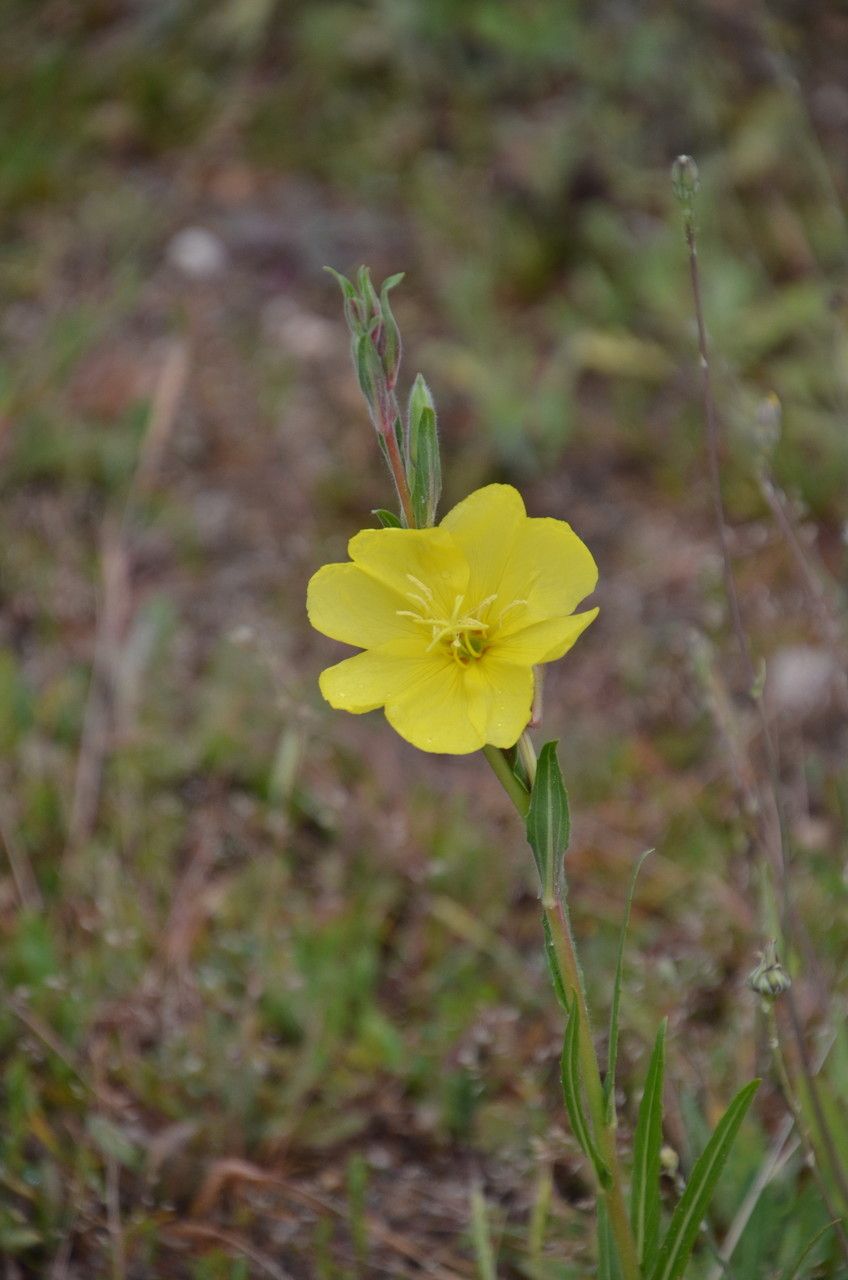
Oh, hello there! Come on in, grab yourself a cup of coffee. We’re going to chat about one of my absolute favorite garden companions – the Evening Primrose, specifically Oenothera stricta. If you’ve ever seen those lovely, bright yellow or soft pink blooms that unfurl in the late afternoon and evening, you know exactly what I mean. They bring such a gentle, almost magical glow to the garden, and the best part? They’re surprisingly easy to multiply!
Why Propagate Evening Primrose?
Honestly, if you love a plant, you want more of it, right? Propagating Evening Primrose is a fantastic way to fill out your garden beds, share with friends, or simply have spares in case of any unexpected garden drama. And for those of you just starting out with propagation, you’ll be happy to hear that Oenothera stricta is a pretty beginner-friendly plant to work with. It’s rewarding and doesn’t usually demand a whole lot of fuss.
The Best Time to Start
For the highest success rate with Evening Primrose, I’ve found that spring is your best bet. Once the danger of frost has completely passed and your plants are showing good, healthy new growth, that’s your cue. You can also have success with late summer cuttings, but spring usually gives them a longer, gentler season to establish themselves before winter.
Supplies You’ll Need
Before we dive in, let’s gather our tools. It’s always good to have everything ready:
- Sharp Pruning Shears or a Clean Knife: For making clean cuts. We don’t want ragged edges!
- Rooting Hormone (Optional, but recommended): A little boost can really help encourage those roots to form. Look for a powdered or liquid type.
- Well-Draining Potting Mix: A standard potting mix amended with perlite or coarse sand is perfect. You want it to be light and airy.
- Small Pots or Trays: Clean containers are key to preventing disease. Small nursery pots or even clean yogurt cups with drainage holes will do.
- Watering Can with a Fine Rose: Gentle watering is crucial.
- Plastic Bags or a Clear Dome: To create a humid environment for your cuttings.
- Labels: Don’t forget to label what you’ve planted!
Propagation Methods: Let’s Get Our Hands Dirty!
There are a couple of fantastic ways to get more Evening Primrose. My go-to usually involves stem cuttings, but division is also incredibly easy and effective, especially during transplanting.
1. Stem Cuttings: The Classic Approach
This is my favorite because you can get so many new plants from a single parent.
- Step 1: Take Your Cuttings: In spring, look for healthy, non-flowering stems that are about 4-6 inches long. Using your sharp shears or knife, make a clean cut just below a leaf node (that little bump where a leaf grows from the stem). Remove the leaves from the bottom two-thirds of the cutting.
- Step 2: Prepare for Rooting: Dip the cut end of the stem into rooting hormone, tapping off any excess.
- Step 3: Plant Them Up: Fill your clean pots with your prepared potting mix. Make a small hole with your finger or a pencil and gently insert the cut end of the stem. Firm the soil gently around it.
- Step 4: Create a Humid Environment: Water the soil gently. Then, cover the pot loosely with a plastic bag, ensuring the leaves don’t touch the plastic. Alternatively, use a clear plastic dome. This traps moisture, which is essential for the cuttings to root.
- Step 5: Provide the Right Conditions: Place your pots in a bright location but out of direct, harsh sunlight. A windowsill is often ideal. Keep the soil consistently moist but not waterlogged.
2. Division: Simple & Effective
This is incredibly straightforward and also a great way to manage your existing plants if they’re getting too large.
- Step 1: Dig Up the Plant: In early spring, gently dig up your established Evening Primrose plant.
- Step 2: Separate the Roots: You’ll see that these plants often form clumps with multiple crowns. Carefully use your hands or a trowel to gently pull apart the root ball into sections. Make sure each section has some healthy roots and at least one or two shoots.
- Step 3: Replant: Immediately replant your divisions in their new locations or in pots, just as you would with a new plant. Water them in well. It’s a bit like giving your plant a haircut and then planting the extra bits!
The “Secret Sauce” (Pro Tips)
Over the years, I’ve picked up a few little tricks that seem to make all the difference.
- Don’t Let Leaves Drip: If you’re using the plastic bag method for cuttings, avoid letting the leaves droop and touch the sides of the bag. This can encourage rot. Just make sure there’s a bit of air circulation.
- Bottom Heat is Your Friend: For stem cuttings, if you have a heat mat designed for seedlings, using it can significantly speed up root development. A gentle warmth from below encourages root growth without drying out the top.
- Patience with Water Propagation (if you choose it): While I prefer soil for Evening Primrose, some people like to start them in water. If you do, ensure NO leaves are submerged. Just the bare stem should be in the water. Change the water every few days to keep it fresh.
Aftercare & Troubleshooting
Once those little roots start to appear (you might see new growth at the tip or feel a gentle tug when you lightly try to move the cutting), it’s time to adjust their care.
- Gradual Acclimation: Slowly remove the plastic bag or dome over a few days to help the new plants adjust to normal humidity.
- Watering: Continue to keep the soil consistently moist but never soggy. As they grow larger, you can let the soil dry out slightly between waterings, like you would a mature plant.
- Transplanting: Once your new plants have a good root system and a few sets of true leaves, you can transplant them into larger pots or their permanent garden spot.
The most common issue you might encounter is rot. This usually happens when the soil is too wet and there isn’t enough air circulation. If you see a cutting looking limp, blackened, or mushy, it’s best to remove it to prevent it from spreading to others. Don’t be discouraged if a few don’t make it – that’s all part of the learning curve!
Go Forth and Grow!
Propagating Evening Primrose is such a fulfilling experience. It connects you with the rhythms of nature and, of course, rewards you with more of those beautiful blooms. Be patient with your new babies, give them a bit of care, and before you know it, you’ll have a whole garden full of cheerful Evening Primrose. Happy planting!
Resource:
https://identify.plantnet.org/k-world-flora/species/Oenothera%20stricta%20Ledeb.%20ex%20Link/data